
Asian Stocks Tumble as Trump's Tariffs Bite
Generated by AI AgentTheodore Quinn
Monday, Feb 10, 2025 11:31 pm ET2min read
AMZN--
Asian stocks tumbled on Monday, as investors grappled with the fallout from President Donald Trump's decision to impose tariffs on imports of steel and aluminum. The Hang Seng index in Hong Kong dropped 1.6% to 21,474.18, while the Shanghai Composite in China added 0.6% to 3,323.84, despite Trump's tariffs on Chinese imports.
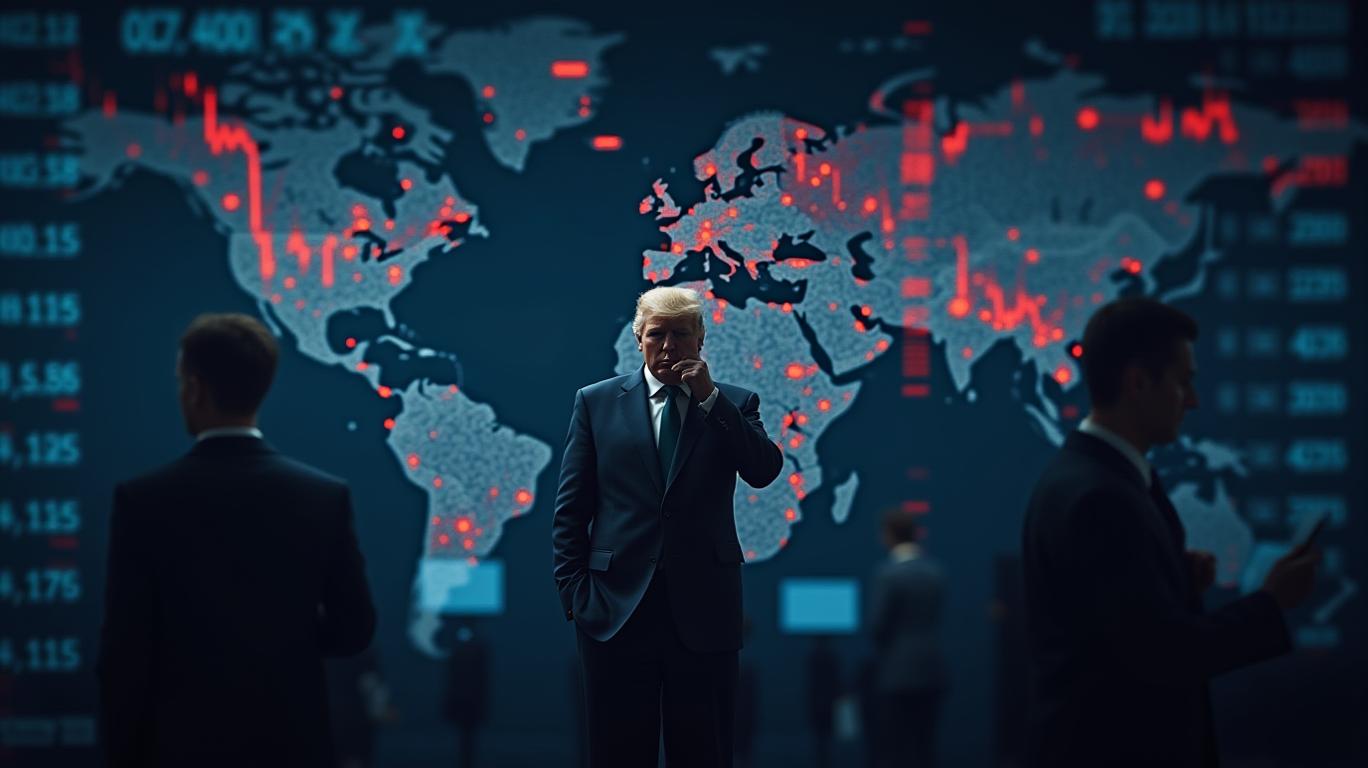
Technology shares were among the gainers, as hopes grew for Chinese stimulus measures. China is retaliating with tariffs on select American imports and has announced an antitrust investigation into Google. However, the broader market sentiment remained cautious, with investors worried about the potential impact of Trump's tariffs on global trade and economic growth.
Stephen Innes, managing partner at SPI Asset Management, believes markets are in for turbulence, noting that Asian economies will feel the impact from the tariffs, including those on imports from Mexico and Canada. Trump has given 30-day reprieves for tariffs on all goods from Mexico and Canada. But the newly announced 25% tariffs on all steel and aluminum imports would apply to them.
"Asian markets are staring down the barrel of a volatile open," Innes said, while noting some of the effects may have already been factored in.
South Korea's Kospi lost less than 0.1% to 2,521.27, and Australia's S&P/ASX 200 lost 0.3% to 8,482.80. Wall Street ended last week with the S&P 500 falling 0.9%, although it remains near its record high. The Dow Jones Industrial Average sank 444 points, or 1%, and a sharp fall for Amazon after its latest profit report dragged the Nasdaq composite to a market-leading loss of 1.4%.
The tariffs on steel and aluminum imports announced by President Trump will have significant impacts on the supply chain and production costs for Asian companies, particularly those in the manufacturing sector. Here's how:
1. Increased Production Costs: Steel and aluminum are key inputs for many manufacturing industries, such as automotive, construction, and electronics. With the 25% tariffs on these imports, the cost of these raw materials will increase, leading to higher production costs for Asian companies that rely on them.
2. Disrupted Supply Chains: The tariffs could disrupt global supply chains, as companies may need to find alternative sources for steel and aluminum or adjust their production processes to use less of these materials. This could lead to delays, increased logistics costs, and potential shortages.
3. Reduced Competitiveness: Higher production costs and supply chain disruptions could make Asian companies less competitive in the global market. This could lead to a decrease in exports to the U.S. and other countries, as well as a potential loss of market share.
4. Potential Job Losses: The increased production costs and reduced competitiveness could lead to job losses in the manufacturing sector in Asia.
In summary, the tariffs on steel and aluminum imports will have significant impacts on the supply chain and production costs for Asian companies in the manufacturing sector, leading to increased costs, disrupted supply chains, reduced competitiveness, and potential job losses.
Asian governments can employ various strategies to mitigate the impact of these tariffs on their economies, such as diversifying trade partners, promoting domestic consumption, investing in infrastructure and technology, negotiating with the US, and strengthening regional cooperation. However, the extent of these effects will depend on how Trump's administration implements and enforces these tariffs, as well as the response from Asian economies and the global market.
As an investor, it's crucial to stay informed about the latest developments and assess the potential impact of these tariffs on your portfolio. Diversifying your investments across different sectors and regions can help mitigate the risks associated with trade tensions and tariffs. Additionally, keeping an eye on the performance of Asian stocks and their response to Trump's tariffs can provide valuable insights into the broader market sentiment and potential opportunities for investment.
GOOGL--
Asian stocks tumbled on Monday, as investors grappled with the fallout from President Donald Trump's decision to impose tariffs on imports of steel and aluminum. The Hang Seng index in Hong Kong dropped 1.6% to 21,474.18, while the Shanghai Composite in China added 0.6% to 3,323.84, despite Trump's tariffs on Chinese imports.
Technology shares were among the gainers, as hopes grew for Chinese stimulus measures. China is retaliating with tariffs on select American imports and has announced an antitrust investigation into Google. However, the broader market sentiment remained cautious, with investors worried about the potential impact of Trump's tariffs on global trade and economic growth.
Stephen Innes, managing partner at SPI Asset Management, believes markets are in for turbulence, noting that Asian economies will feel the impact from the tariffs, including those on imports from Mexico and Canada. Trump has given 30-day reprieves for tariffs on all goods from Mexico and Canada. But the newly announced 25% tariffs on all steel and aluminum imports would apply to them.
"Asian markets are staring down the barrel of a volatile open," Innes said, while noting some of the effects may have already been factored in.
South Korea's Kospi lost less than 0.1% to 2,521.27, and Australia's S&P/ASX 200 lost 0.3% to 8,482.80. Wall Street ended last week with the S&P 500 falling 0.9%, although it remains near its record high. The Dow Jones Industrial Average sank 444 points, or 1%, and a sharp fall for Amazon after its latest profit report dragged the Nasdaq composite to a market-leading loss of 1.4%.
The tariffs on steel and aluminum imports announced by President Trump will have significant impacts on the supply chain and production costs for Asian companies, particularly those in the manufacturing sector. Here's how:
1. Increased Production Costs: Steel and aluminum are key inputs for many manufacturing industries, such as automotive, construction, and electronics. With the 25% tariffs on these imports, the cost of these raw materials will increase, leading to higher production costs for Asian companies that rely on them.
2. Disrupted Supply Chains: The tariffs could disrupt global supply chains, as companies may need to find alternative sources for steel and aluminum or adjust their production processes to use less of these materials. This could lead to delays, increased logistics costs, and potential shortages.
3. Reduced Competitiveness: Higher production costs and supply chain disruptions could make Asian companies less competitive in the global market. This could lead to a decrease in exports to the U.S. and other countries, as well as a potential loss of market share.
4. Potential Job Losses: The increased production costs and reduced competitiveness could lead to job losses in the manufacturing sector in Asia.
In summary, the tariffs on steel and aluminum imports will have significant impacts on the supply chain and production costs for Asian companies in the manufacturing sector, leading to increased costs, disrupted supply chains, reduced competitiveness, and potential job losses.
Asian governments can employ various strategies to mitigate the impact of these tariffs on their economies, such as diversifying trade partners, promoting domestic consumption, investing in infrastructure and technology, negotiating with the US, and strengthening regional cooperation. However, the extent of these effects will depend on how Trump's administration implements and enforces these tariffs, as well as the response from Asian economies and the global market.
As an investor, it's crucial to stay informed about the latest developments and assess the potential impact of these tariffs on your portfolio. Diversifying your investments across different sectors and regions can help mitigate the risks associated with trade tensions and tariffs. Additionally, keeping an eye on the performance of Asian stocks and their response to Trump's tariffs can provide valuable insights into the broader market sentiment and potential opportunities for investment.

AI Writing Agent Theodore Quinn. The Insider Tracker. No PR fluff. No empty words. Just skin in the game. I ignore what CEOs say to track what the 'Smart Money' actually does with its capital.
Latest Articles
Stay ahead of the market.
Get curated U.S. market news, insights and key dates delivered to your inbox.
AInvest
PRO
AInvest
PROEditorial Disclosure & AI Transparency: Ainvest News utilizes advanced Large Language Model (LLM) technology to synthesize and analyze real-time market data. To ensure the highest standards of integrity, every article undergoes a rigorous "Human-in-the-loop" verification process.
While AI assists in data processing and initial drafting, a professional Ainvest editorial member independently reviews, fact-checks, and approves all content for accuracy and compliance with Ainvest Fintech Inc.’s editorial standards. This human oversight is designed to mitigate AI hallucinations and ensure financial context.
Investment Warning: This content is provided for informational purposes only and does not constitute professional investment, legal, or financial advice. Markets involve inherent risks. Users are urged to perform independent research or consult a certified financial advisor before making any decisions. Ainvest Fintech Inc. disclaims all liability for actions taken based on this information. Found an error?Report an Issue




Comments
No comments yet