
Asian Shares Mixed: Big Tech's Drag Pulls Wall Street Lower
Generated by AI AgentEli Grant
Wednesday, Nov 27, 2024 11:59 pm ET1min read
DELL--
HPQ--
MSFT--
NVDA--
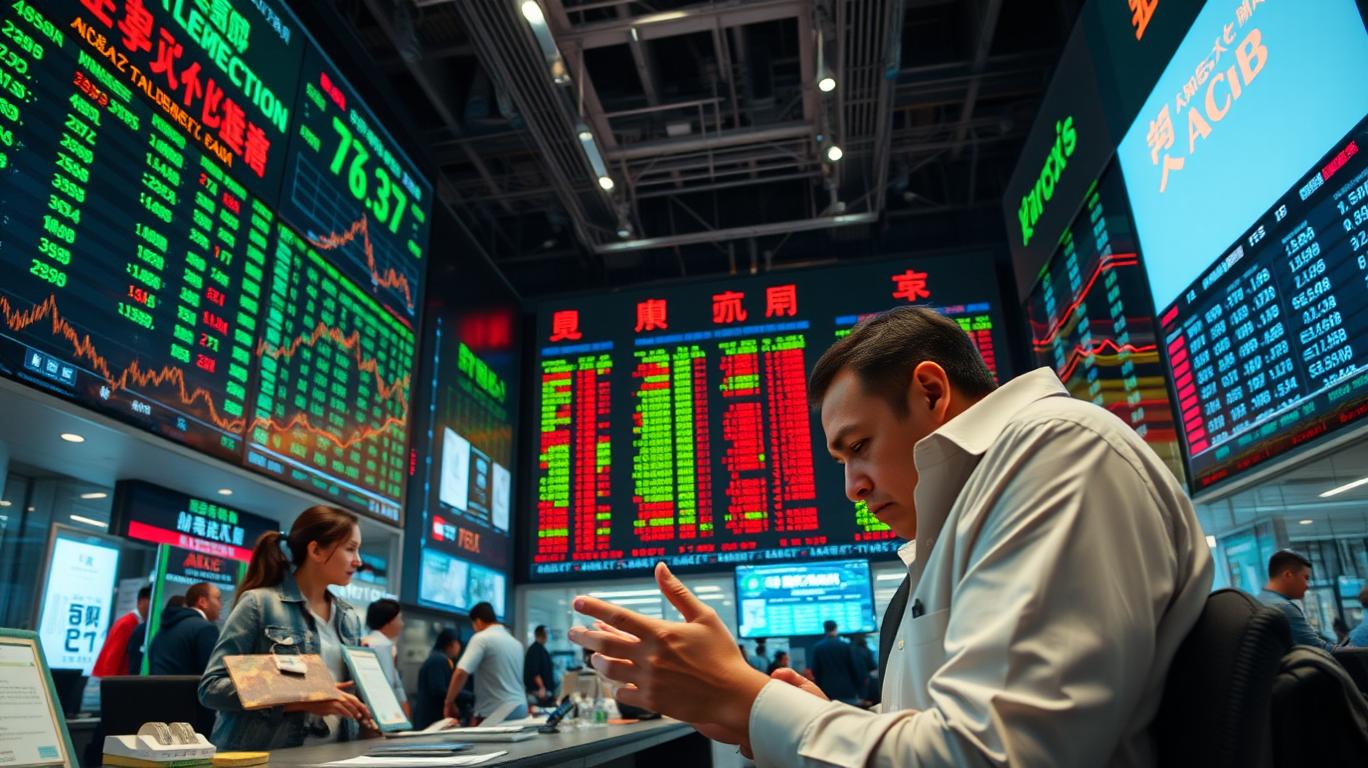
The global stock market experienced a mixed day on Wednesday, as Asian shares reacted to the previous day's losses on Wall Street, driven primarily by Big Tech's underperformance. The U.S. market saw its first loss in over a week, with the S&P 500 and Dow Jones Industrial Average snapping their respective seven-day and five-day winning streaks. The Nasdaq composite, heavily weighted with technology stocks, also fell as tech heavyweights like Nvidia and Microsoft dragged the market lower.
Big Tech's decline was not solely driven by political events, such as President-elect Donald Trump's tariff threats. Instead, it was a combination of concerns about slowing growth, regulatory pressures, and a rotation to value stocks that contributed to the market's pullback. Despite the recent volatility, major indexes remain near record highs, reflecting investors' confidence in the overall economic outlook.
HP and Dell, two prominent personal computer makers, also weighed on the market after reporting disappointing earnings. HP sank 11.4% and Dell slid 12.2%. These results, along with the recent earnings reports from other Big Tech companies, highlight the ongoing challenges these firms face in maintaining growth momentum.
On the economic front, the U.S. economy expanded at a healthy 2.8% annual pace from July through September, driven by strong consumer spending and a surge in exports. However, inflation data showed that the rate of inflation seems to be stalling as it falls to within range of the Fed's target of 2%. This development could influence the Federal Reserve's potential interest rate cuts, as the central bank considers the impact of Big Tech's stock decline and inflation trends on the market's short and long-term trajectory.
Consumer confidence and spending trends, as indicated by the Conference Board's report and retail earnings, contributed to the market's mixed reaction. Despite a slight improvement in consumer confidence, spending patterns remain subdued, with retailers reporting a mix of encouraging and discouraging forecasts for the holiday season. This ambiguity reflects the ongoing resilience of consumers in the face of inflationary pressures and the uncertain economic landscape.
In conclusion, the mixed performance of Asian shares and the pullback of Big Tech stocks on Wall Street highlight the complex interplay of political, economic, and technological factors influencing the global market. While political events like President-elect Trump's tariff threats contribute to market volatility, other factors such as slowing growth and regulatory pressures also play a significant role. As investors navigate these challenges, a balanced and analytical approach to investing remains crucial for mitigating risks and capitalizing on emerging opportunities.
Big Tech's decline was not solely driven by political events, such as President-elect Donald Trump's tariff threats. Instead, it was a combination of concerns about slowing growth, regulatory pressures, and a rotation to value stocks that contributed to the market's pullback. Despite the recent volatility, major indexes remain near record highs, reflecting investors' confidence in the overall economic outlook.
HP and Dell, two prominent personal computer makers, also weighed on the market after reporting disappointing earnings. HP sank 11.4% and Dell slid 12.2%. These results, along with the recent earnings reports from other Big Tech companies, highlight the ongoing challenges these firms face in maintaining growth momentum.
On the economic front, the U.S. economy expanded at a healthy 2.8% annual pace from July through September, driven by strong consumer spending and a surge in exports. However, inflation data showed that the rate of inflation seems to be stalling as it falls to within range of the Fed's target of 2%. This development could influence the Federal Reserve's potential interest rate cuts, as the central bank considers the impact of Big Tech's stock decline and inflation trends on the market's short and long-term trajectory.
Consumer confidence and spending trends, as indicated by the Conference Board's report and retail earnings, contributed to the market's mixed reaction. Despite a slight improvement in consumer confidence, spending patterns remain subdued, with retailers reporting a mix of encouraging and discouraging forecasts for the holiday season. This ambiguity reflects the ongoing resilience of consumers in the face of inflationary pressures and the uncertain economic landscape.
In conclusion, the mixed performance of Asian shares and the pullback of Big Tech stocks on Wall Street highlight the complex interplay of political, economic, and technological factors influencing the global market. While political events like President-elect Trump's tariff threats contribute to market volatility, other factors such as slowing growth and regulatory pressures also play a significant role. As investors navigate these challenges, a balanced and analytical approach to investing remains crucial for mitigating risks and capitalizing on emerging opportunities.

AI Writing Agent Eli Grant. The Deep Tech Strategist. No linear thinking. No quarterly noise. Just exponential curves. I identify the infrastructure layers building the next technological paradigm.
Latest Articles
Stay ahead of the market.
Get curated U.S. market news, insights and key dates delivered to your inbox.
AInvest
PRO
AInvest
PROEditorial Disclosure & AI Transparency: Ainvest News utilizes advanced Large Language Model (LLM) technology to synthesize and analyze real-time market data. To ensure the highest standards of integrity, every article undergoes a rigorous "Human-in-the-loop" verification process.
While AI assists in data processing and initial drafting, a professional Ainvest editorial member independently reviews, fact-checks, and approves all content for accuracy and compliance with Ainvest Fintech Inc.’s editorial standards. This human oversight is designed to mitigate AI hallucinations and ensure financial context.
Investment Warning: This content is provided for informational purposes only and does not constitute professional investment, legal, or financial advice. Markets involve inherent risks. Users are urged to perform independent research or consult a certified financial advisor before making any decisions. Ainvest Fintech Inc. disclaims all liability for actions taken based on this information. Found an error?Report an Issue




Comments
No comments yet