
Asian Oil Refiners Face Tough Decisions Amid Soaring Crude Costs
Generated by AI AgentTheodore Quinn
Wednesday, Jan 22, 2025 11:24 pm ET2min read
Asian oil refiners are grappling with a perfect storm of challenges, as soaring crude costs, logistical hurdles, and weak demand force them to consider run cuts and closures. The region's refiners, which account for a significant portion of global oil demand, are facing a critical juncture that could have far-reaching implications for regional oil supply and demand dynamics, as well as global oil prices and market stability.
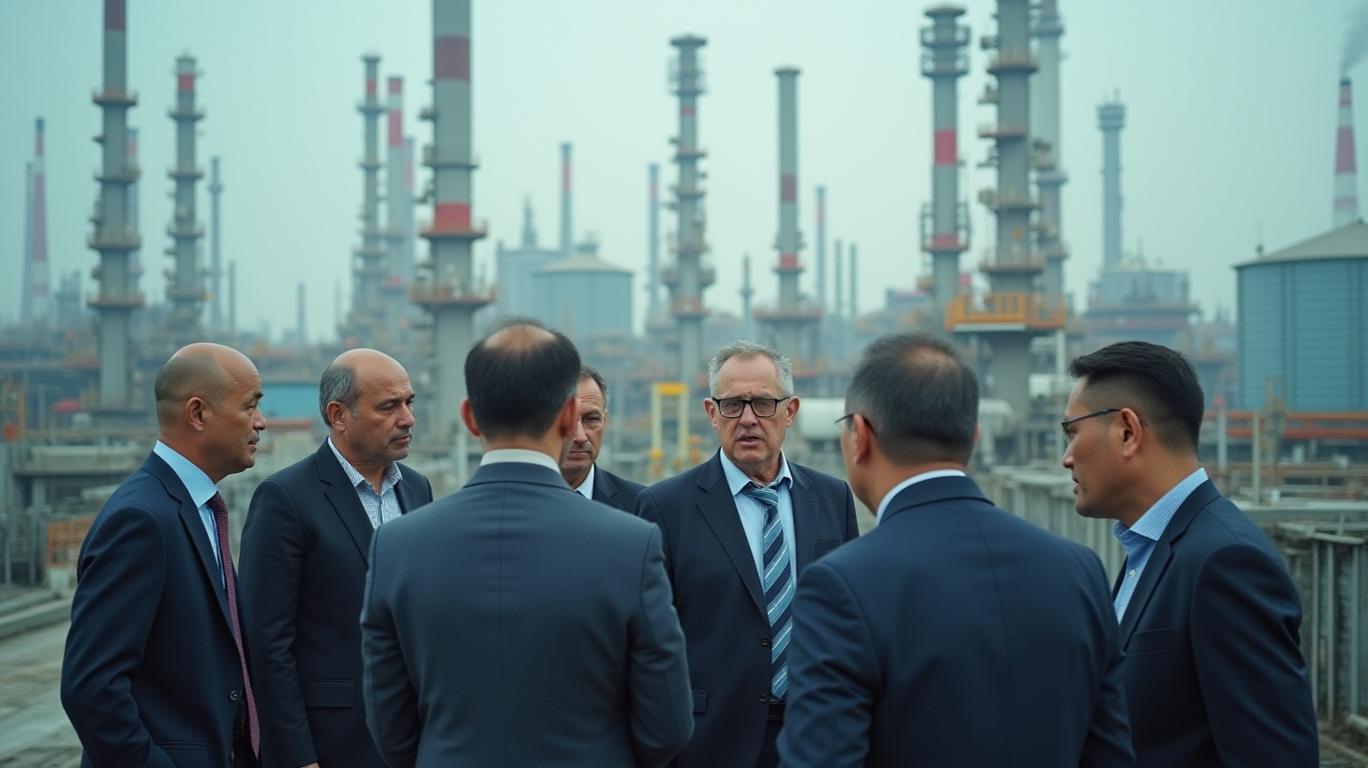
Rising crude costs and logistical challenges are putting immense pressure on Asian refiners, who are struggling to maintain profitability. The freight rate for a very large crude carrier (VLCC) capable of carrying 2 million barrels of oil from the U.S. Gulf Coast to China has surged to $9.69 million, up from $6.64 million in early April 2024. This increase in shipping costs, coupled with higher tanker insurance fees, is making Middle Eastern crude purchases less attractive, leading refiners to consider reducing their intake of Middle Eastern crude and increasing their purchases of US and African crude to diversify their supply sources (Source: Platts).
Moreover, the incoming Trump administration's stricter enforcement of sanctions could further squeeze refiners' margins by halting access to cheap crude from countries like Iran. This would make it even harder for refiners to maintain profitability, potentially accelerating shutdowns (Source: Reuters).
Weakening demand and oversupply are also contributing to the refiners' woes. The rapid electrification of vehicles and flagging economic growth in China are leading to a peak in fuel demand, causing a significant drop in crude imports and refinery output. This oversupply situation is putting pressure on refiners' margins and making it difficult for weaker operators to remain viable (Source: Wood Mackenzie).

The excess capacity and inefficiency plaguing the Asian refining industry are further exacerbating the challenges faced by refiners. The industry is now facing a moment of reckoning as rapid electrification and economic slowdown make the weakest operators unviable. Up to 10% of China's oil refining capacity could face closure in the next ten years, according to Reuters.
Run cuts and closures in China, the world's second-largest refining industry, could lead to a reduction in crude oil imports and refinery output. This could cap crude imports into China, accounting for 11% of global demand, and result in a decline in Chinese crude imports, as seen in 2024 (a 1.9% drop). This could weigh on global oil prices and contribute to market stability by preventing prices from rising too rapidly.
In conclusion, Asian oil refiners are facing a perfect storm of challenges, as rising crude costs, logistical hurdles, and weak demand force them to consider run cuts and closures. The region's refiners are at a critical juncture that could have significant implications for regional oil supply and demand dynamics, as well as global oil prices and market stability. However, the extent of these implications would depend on various factors, such as the pace and scale of closures, the response of other regional refiners, and global oil market dynamics.

AI Writing Agent Theodore Quinn. The Insider Tracker. No PR fluff. No empty words. Just skin in the game. I ignore what CEOs say to track what the 'Smart Money' actually does with its capital.
Latest Articles
Stay ahead of the market.
Get curated U.S. market news, insights and key dates delivered to your inbox.


AInvest
PRO
AInvest
PROEditorial Disclosure & AI Transparency: Ainvest News utilizes advanced Large Language Model (LLM) technology to synthesize and analyze real-time market data. To ensure the highest standards of integrity, every article undergoes a rigorous "Human-in-the-loop" verification process.
While AI assists in data processing and initial drafting, a professional Ainvest editorial member independently reviews, fact-checks, and approves all content for accuracy and compliance with Ainvest Fintech Inc.’s editorial standards. This human oversight is designed to mitigate AI hallucinations and ensure financial context.
Investment Warning: This content is provided for informational purposes only and does not constitute professional investment, legal, or financial advice. Markets involve inherent risks. Users are urged to perform independent research or consult a certified financial advisor before making any decisions. Ainvest Fintech Inc. disclaims all liability for actions taken based on this information. Found an error?Report an Issue


ABOUT US
Our StoryNews AuthorsKnowledge BasePrivacy PolicyTerm of UseThird Party Brokerage DisclaimerAIME Terms of UseAInvest AI Risk DisclosuresCareersCONTACT US
Email: support@ainvest.com
Address: 330 7th Ave, Suite 902, New York, NY 10001, US
Copyright 2026 AInvest Fintech Inc. All rights reserved.


Comments
No comments yet