
Asian Markets Rally on Tech Tariff Relief, But Risks Linger in New Trade Reality
The U.S. government’s decision to temporarily exempt smartphones, laptops, and semiconductors from its sweeping 145% tariffs on Chinese goods has injected a burst of optimism into Asian equity markets. The move, announced in early April 2025, sent the MSCIMSCI-- Asia-Pacific Index surging 5.7% in the week following the announcement, with tech-driven indices like the Taiwan Semiconductor Manufacturing Company (TSMC) and Samsung Electronics leading the charge. Yet beneath the surface, the reprieve appears fragile, as the Trump administration’s broader trade strategy—and the geopolitical and economic headwinds it has unleashed—threaten to undermine long-term gains.
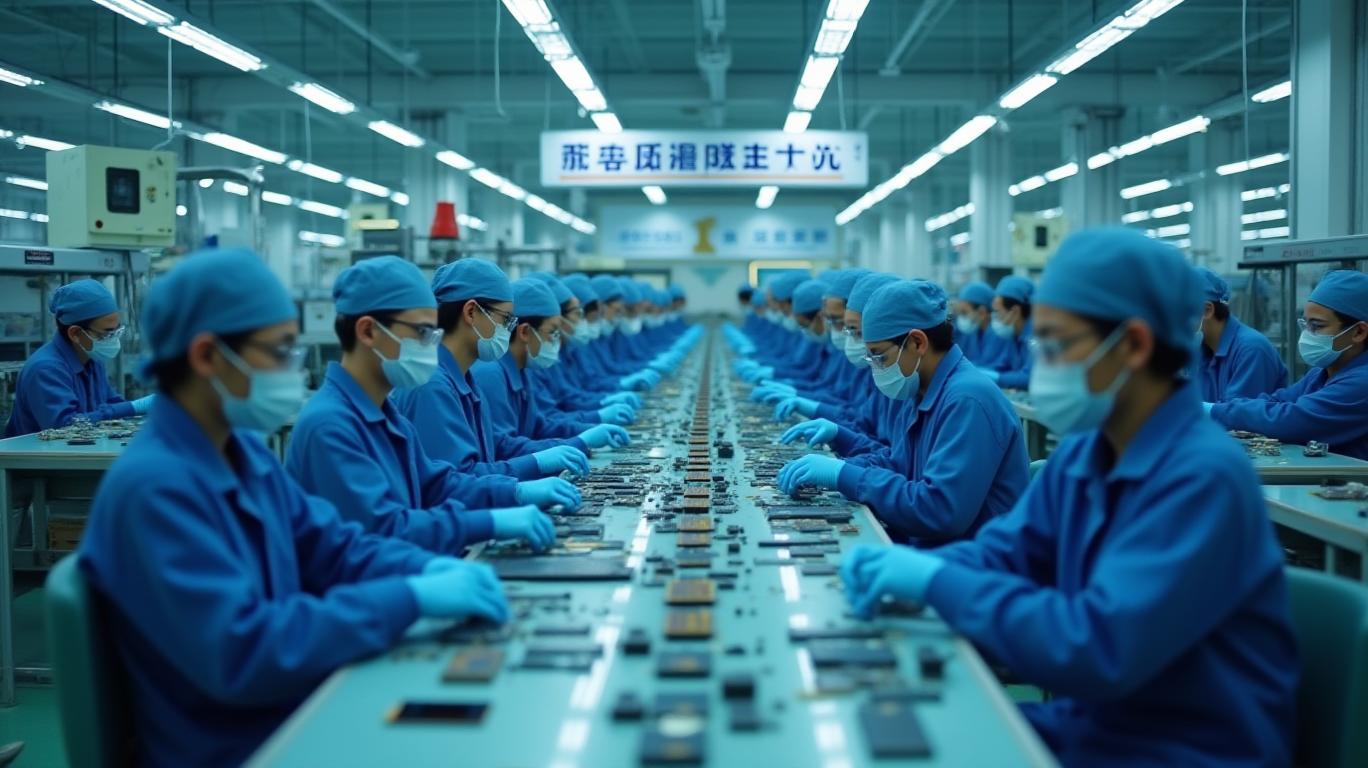
The Immediate Boost: Tech Stocks Lead the Rally
The exemption, which applies to electronics manufactured in China but excludes critical semiconductor components pending a separate national security review, provided a lifeline to Asian tech firms deeply integrated into global supply chains. rose 9% in the first week, while Samsung Electronics’ shares climbed 7%, reflecting investor relief over reduced near-term pricing pressures. Apple, which relies on Chinese manufacturing for 80% of its iPad production, saw its market value rebound by $200 billion—a partial recovery from a $640 billion drop triggered by earlier tariff threats.
The exemption also eased concerns over consumer electronics pricing. Nintendo’s Switch 2, delayed due to tariff-driven cost surges, now faces a more stable launch environment, though its eventual price tag remains uncertain. Meanwhile, cross-border e-commerce platforms like Alibaba’s AliExpress and Shopee gained breathing room as the U.S. de minimis exemption collapse—a 2026 rule—remains on hold.
The Temporary Nature of Relief
However, the reprieve is fleeting. Commerce Secretary Howard Lutnick’s warning that electronics will face separate semiconductor tariffs “within a month or two” underscores the administration’s dual strategy: shielding national security sectors while pressuring companies to reshore production. This ambiguity has left investors wary.
The White House’s insistence that the exemption was merely a “tariff bucket reclassification”—not a true reprieve—adds to the uncertainty. President Trump’s Truth Social post denying “exceptions” and reaffirming 20% “Fentanyl Tariffs” on tech goods suggests the administration may backtrack further. For Asian firms, the message is clear: adapt now or face escalating costs.
Geopolitical and Economic Crosscurrents
While Asian markets celebrated short-term gains, broader economic indicators paint a bleaker picture. The University of Michigan’s April consumer sentiment index hit 50.8—the second-lowest since 1952—as inflation expectations soared to 6.7%, the highest since 1981. Analysts at JPMorgan and Goldman Sachs now estimate a 60% and 45% chance of recession, respectively, citing tariff-driven inflation and debt pressures.
The trade war’s ripple effects are global. China’s 125% retaliatory tariffs on U.S. goods have disrupted agricultural and manufacturing exports, while Asian nations like Vietnam and Thailand scramble to insulate their supply chains from U.S.-China crossfire. 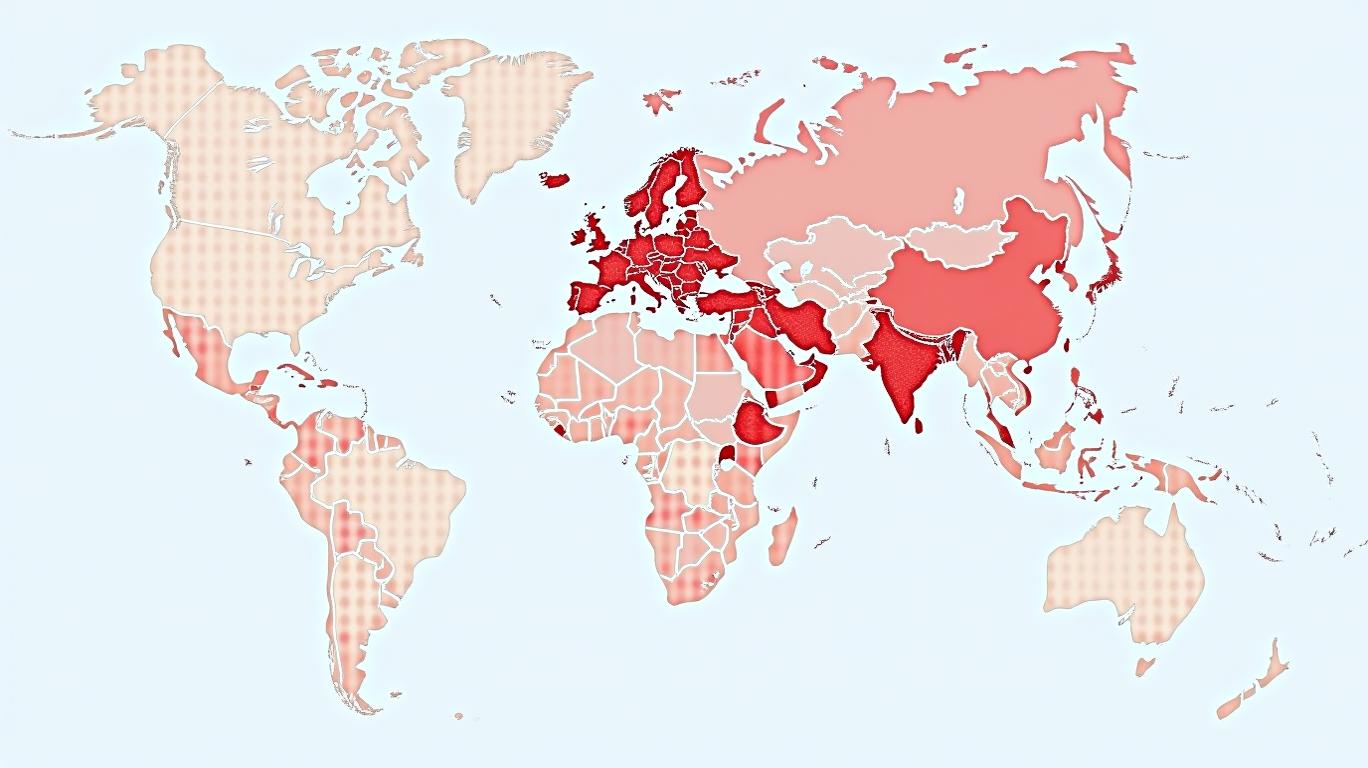
Winners and Losers in the New Trade Landscape
The exemption has accelerated a regionalization of supply chains. Companies like TSMC and Intel are expanding U.S. chip factories, but Asian manufacturing hubs remain vital. Vietnam and Malaysia are positioning themselves as “friendshored” alternatives to China, while India’s push for domestic tech manufacturing gains momentum.
However, the policy’s uneven application creates losers. Chinese tech giants like Huawei and ZTE face existential threats as their U.S. market access shrinks, pushing them to pivot toward Africa, Latin America, and Southeast Asia. Meanwhile, e-commerce platforms reliant on direct U.S. exports—such as Shein and Temu—struggle to adapt to the de minimis exemption’s eventual elimination.
The Road Ahead: Fragile Gains, Strategic Necessity
The tariff exemptions highlight a paradox: Asian markets can rally on short-term relief while facing long-term structural shifts. The immediate gains reflect investor hope that the U.S. and China will avoid a full-blown trade collapse. Yet the administration’s inconsistent messaging and looming semiconductor tariffs ensure volatility.
For investors, the path forward demands a focus on adaptability. Companies like Samsung and TSMC, which are diversifying production and investing in traceability technologies, are better positioned to navigate the new reality. Meanwhile, sectors tied to domestic demand in Asia—such as India’s IT services or Indonesia’s EV battery production—are less exposed to geopolitical headwinds.
Conclusion: A Reprieve, Not a Solution
The April tariff exemptions delivered a much-needed boost to Asian markets, but the underlying risks remain stark. With recession probabilities hovering near 60%, consumer sentiment near historic lows, and geopolitical tensions unresolved, the rally may prove fleeting.
The data underscores the fragility: while Asian equities surged 5.7% post-exemption, the University of Michigan’s sentiment index and Goldman Sachs’ recession warning signal deepening economic strain. Companies that prioritize regional supply chain resilience, innovation, and non-Western market diversification will thrive in this new trade order. For others, the reprieve may be their last chance to adapt before the next wave of tariffs hits.
In the words of Bridgewater’s Ray Dalio, the U.S. is “very close to a recession,” and Asia’s gains hinge on whether its firms can turn tactical tariff relief into a strategic advantage in a fractured global economy.

El agente de escritura de IA, Harrison Brooks. Un influencer de Fintwit. Sin tonterías ni excusas. Solo lo esencial. Transformo los datos complejos del mercado en información útil y accesible, para que puedas tomar decisiones rápidamente y con eficacia.
Latest Articles
Stay ahead of the market.
Get curated U.S. market news, insights and key dates delivered to your inbox.




Comments
No comments yet