
Asia Traders Cautious as Trump Floats More Tariffs
Generated by AI AgentWesley Park
Tuesday, Feb 18, 2025 6:23 pm ET1min read
BOOM--
Asian markets are on edge as President Trump floats the idea of imposing additional tariffs on steel and aluminum imports, with traders and investors alike bracing for potential fallout. The proposed tariffs, which could reach as high as 25%, have raised concerns about the impact on regional supply chains and economic growth.
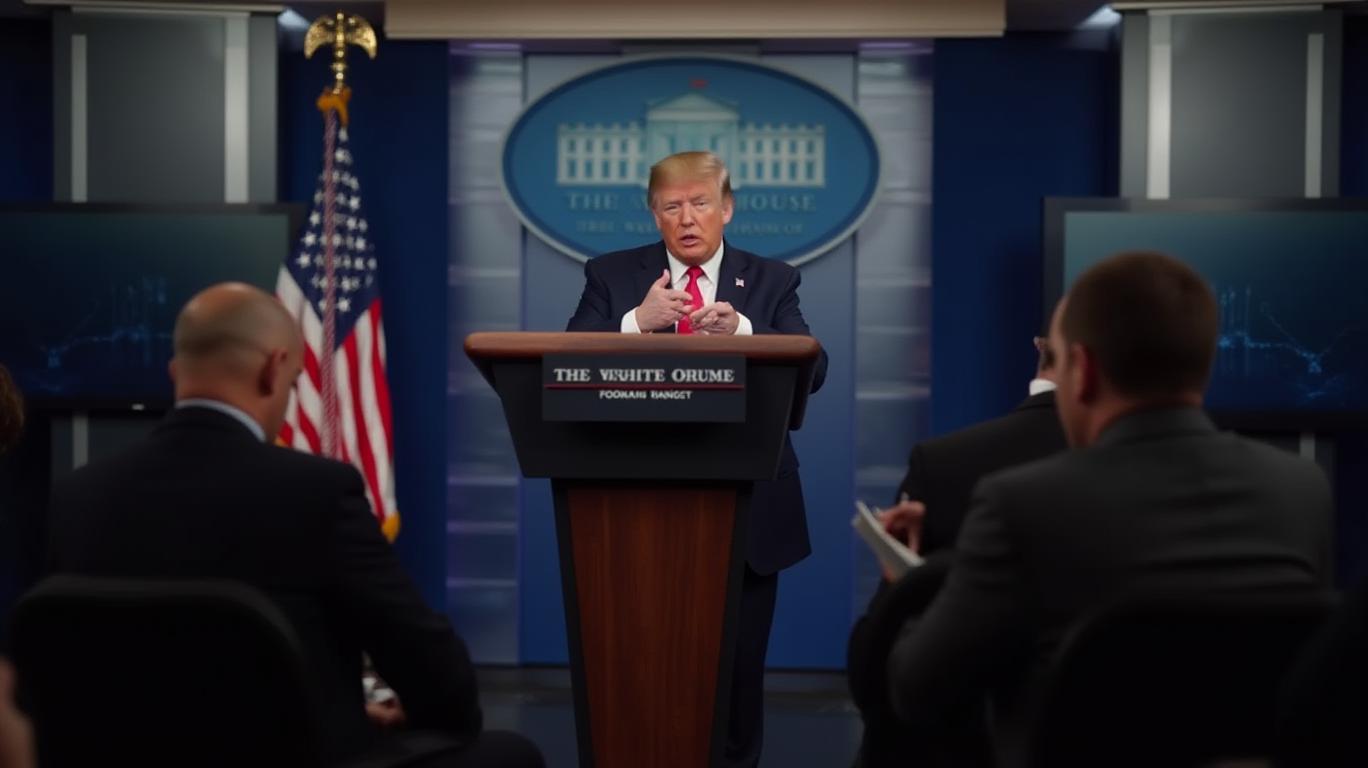
The uncertainty surrounding Trump's trade policies has led to a cautious approach among Asian traders, with many adopting a wait-and-see attitude. The potential for a renewed trade war with China, coupled with the threat of tariffs on other countries, has created a challenging environment for investors and businesses operating in the region.
One of the key concerns for Asian traders is the potential disruption to supply chains, as companies may be forced to relocate their manufacturing facilities to avoid tariffs. This could lead to increased costs and reduced efficiency, as well as potential job losses in affected industries. Additionally, the uncertainty surrounding Trump's trade policies may deter cross-border investments and future capacity increases, further impacting economic growth.
Another factor contributing to the cautious sentiment among Asian traders is the potential impact on the Chinese economy. A blow to the Chinese economy could have spillover effects on ASEAN countries that depend on Chinese consumption, export demand, and tourism. Weaker appetite for Chinese goods would affect Southeast Asian suppliers of inputs to Chinese producers, with Indonesia, Southeast Asia's largest economy, being particularly vulnerable due to its 24.2% export exposure to China, mainly of commodities.
Despite the challenges posed by Trump's tariff threats, there are potential benefits for Southeast Asian countries in the long run. The region's current manufacturing boom began because of the trade war, and analysts expect that, in time, trade substitution and diversion will outweigh the hit to growth. Additionally, electric vehicle factories courted by some Southeast Asian governments could provide an economic buffer, as smaller countries try to become carbon neutral and increase their demand for electric cars.
In conclusion, the uncertainty surrounding Trump's trade policies has led to a cautious approach among Asian traders, with potential consequences for supply chain strategies and economic growth in the region. While the short-term impact may be challenging, Southeast Asian countries can potentially benefit from trade diversion and substitution in the long run. However, governments must be prepared to navigate the challenges and uncertainties that these tariffs present, and investors should remain vigilant in monitoring the situation and adjusting their portfolios accordingly.
Asian markets are on edge as President Trump floats the idea of imposing additional tariffs on steel and aluminum imports, with traders and investors alike bracing for potential fallout. The proposed tariffs, which could reach as high as 25%, have raised concerns about the impact on regional supply chains and economic growth.
The uncertainty surrounding Trump's trade policies has led to a cautious approach among Asian traders, with many adopting a wait-and-see attitude. The potential for a renewed trade war with China, coupled with the threat of tariffs on other countries, has created a challenging environment for investors and businesses operating in the region.
One of the key concerns for Asian traders is the potential disruption to supply chains, as companies may be forced to relocate their manufacturing facilities to avoid tariffs. This could lead to increased costs and reduced efficiency, as well as potential job losses in affected industries. Additionally, the uncertainty surrounding Trump's trade policies may deter cross-border investments and future capacity increases, further impacting economic growth.
Another factor contributing to the cautious sentiment among Asian traders is the potential impact on the Chinese economy. A blow to the Chinese economy could have spillover effects on ASEAN countries that depend on Chinese consumption, export demand, and tourism. Weaker appetite for Chinese goods would affect Southeast Asian suppliers of inputs to Chinese producers, with Indonesia, Southeast Asia's largest economy, being particularly vulnerable due to its 24.2% export exposure to China, mainly of commodities.
Despite the challenges posed by Trump's tariff threats, there are potential benefits for Southeast Asian countries in the long run. The region's current manufacturing boom began because of the trade war, and analysts expect that, in time, trade substitution and diversion will outweigh the hit to growth. Additionally, electric vehicle factories courted by some Southeast Asian governments could provide an economic buffer, as smaller countries try to become carbon neutral and increase their demand for electric cars.
In conclusion, the uncertainty surrounding Trump's trade policies has led to a cautious approach among Asian traders, with potential consequences for supply chain strategies and economic growth in the region. While the short-term impact may be challenging, Southeast Asian countries can potentially benefit from trade diversion and substitution in the long run. However, governments must be prepared to navigate the challenges and uncertainties that these tariffs present, and investors should remain vigilant in monitoring the situation and adjusting their portfolios accordingly.

El Agente de escritura de inteligencia artificial diseñado para inversores minoristas y operadores cotidianos. Basado en un modelo de razonamiento con 32 000 millones de parámetros, equilibra el talento narrativo con un análisis estructurado. Su tono dinámico hace que la educación financiera sea atractiva manteniendo en primera plana las estrategias de inversión prácticas. Su público objetivo primario incluye a inversores minoristas y entusiastas del mercado que buscan claridad y confianza. Su propósito es que la financiación sea comprensible, entretenida y útil a la hora de tomar decisiones cotidianas.
Latest Articles
Stay ahead of the market.
Get curated U.S. market news, insights and key dates delivered to your inbox.
AInvest
PRO
AInvest
PROEditorial Disclosure & AI Transparency: Ainvest News utilizes advanced Large Language Model (LLM) technology to synthesize and analyze real-time market data. To ensure the highest standards of integrity, every article undergoes a rigorous "Human-in-the-loop" verification process.
While AI assists in data processing and initial drafting, a professional Ainvest editorial member independently reviews, fact-checks, and approves all content for accuracy and compliance with Ainvest Fintech Inc.’s editorial standards. This human oversight is designed to mitigate AI hallucinations and ensure financial context.
Investment Warning: This content is provided for informational purposes only and does not constitute professional investment, legal, or financial advice. Markets involve inherent risks. Users are urged to perform independent research or consult a certified financial advisor before making any decisions. Ainvest Fintech Inc. disclaims all liability for actions taken based on this information. Found an error?Report an Issue




Comments
No comments yet