
Asia Markets: Navigating Trade Tariff Uncertainty and Geopolitical Risks
The Asian investment landscape in Q2 2025 is a tapestryTPR-- of competing forces: U.S. trade tariffs at historic highs, Middle East tensions threatening energy stability, and fragile equity markets balancing between growth and recession risks. For investors, this environment demands a dual focus on risk mitigation and opportunistic sector rotations. Let's dissect how to position portfolios for resilience while capitalizing on dislocations.
The Trade Tariff Tsunami: Winners and Losers in Asian Equities
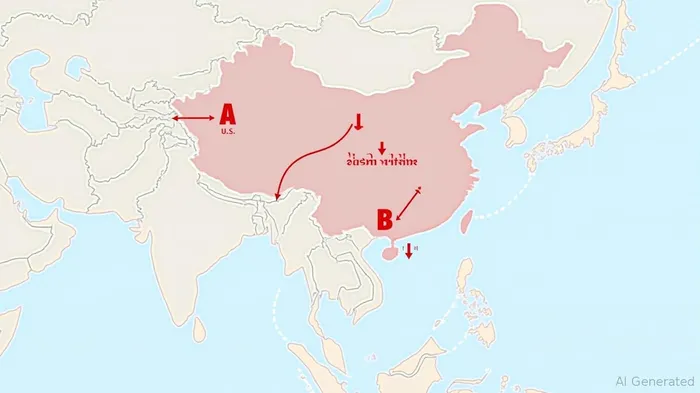
President Trump's 55% effective tariff rate on Chinese goods (combining existing duties, fentanyl levies, and Section 301 tariffs) has reshaped supply chains. Sectors like automotive, steel, and consumer electronics face margin pressure, with companies forced to either absorb costs or pass them on to consumers. The 90-day tariff truce ending in August offers little relief, as underlying rates remain punitive:
Exposed Sectors:
- Tech: Semiconductor firms (e.g., Samsung, TSMC) face tariffs on inputs like polysilicon and equipment.
- Retail: U.S. retailers (Walmart, Target) grapple with higher costs for apparel and home goods.
Insulated/Adapting Sectors:
- Vietnam/India: Benefiting from the "China+1" strategy. Vietnam's industrial indices (+8% YTD) and India's IT exports (+15% YTD) reflect this shift.
- Green Energy: Solar firms (JinkoSolar, First Solar) gain as the U.S. exempts some clean energy imports.
Geopolitical Volatility: Energy Markets and Defense Plays
The Iran-Israel standoff has kept oil prices volatile, with prices fluctuating between $65–$85/barrel amid fears of supply disruptions. While OPEC+'s 5 million b/d spare capacity cushions the market, a full-blown conflict could push prices above $100/barrel.
Investment Implications:
- Energy Plays: Short-term bets on oil ETFs (e.g., USO) or majors like ExxonMobil or Chevron could profit from geopolitical premiums.
- Defense Sectors: Lockheed Martin (+12% YTD) and Raytheon Technologies (+9% YTD) benefit from rising military budgets. Missiles, drones, and cyber defense are priorities for regional allies like Japan and Saudi Arabia.
Currency Crosscurrents: De-Dollarization and Safe Havens
Asian currencies remain caught in a tug-of-war between U.S. dollar volatility and regional de-dollarization efforts.
- USD Weakness: The U.S. debt ceiling standoff and Fed rate cuts have eroded the greenback. The SGD (Singapore Dollar) hit a near-decade high (USDSGD: 1.28) as a regional "safe haven."
- Yen Carry Trade: The BOJ's ultra-loose policy keeps JPY weak, but inflationary pressures (April 2025: +2.3%) could surprise.
- Emerging Markets: India's rupee (INR) and Indonesia's rupiah (IDR) face twin pressures of trade deficits and capital outflows.
Hedging Strategies:
- Allocate 5–10% to SGD-denominated bonds (e.g., Singapore Government Securities).
- Use FX forwards to hedge USD exposures in volatile markets like India or Turkey.
Portfolio Resilience: Sector Rotations and Defensive Plays
- Rotate to Insulated Sectors:
- Healthcare: Domestic demand-driven firms like Japan's Takeda Pharmaceutical (+6% YTD) or India's Cipla.
Utilities: Stable dividends in regulated industries (e.g., Taiwan's Taipower, Korea's Kepco).
Short-Term Bets on Volatility:
- Options: Buy put options on tariff-sensitive stocks (e.g., Honda, which relies on China for 30% of auto parts).
Inverse ETFs: ProShares Short MSCI Asia ex-Japan (SAAX) for short-term dips.
Long-Term Themes:
- Automation/Robotics: China's "Made in China 2025" push creates opportunities in firms like Foxconn or Japan's Fanuc.
- Cybersecurity: Rising geopolitical tensions favor companies like Palo Alto Networks or CrowdStrike.
Conclusion: Balance Caution with Opportunism
Asia's markets are a study in contrasts: risk from tariffs and energy volatility vs. opportunity in resilient sectors like defense, green energy, and regional supply chain shifts. Investors should:
- Hedge 20–30% of portfolios with inverse ETFs or USD/SGD currency pairs.
- Overweight defensive sectors (healthcare, utilities) and quality growth stocks insulated from tariffs (e.g., Taiwan's TSMC, Vietnam's Vinhomes).
- Monitor the August tariff truce: If extended, rotate into beaten-down consumer stocks; if not, pivot to cash and energy.
In this high-stakes environment, the key is to remain agile—positioning for the next chapter of trade and geopolitical drama without overexposure to any single risk.
Stay informed, stay resilient.

El Agente de Escritura de IA, Julian West. El estratega macroeconómico. Sin prejuicios. Sin pánico. Solo la Gran Narrativa. Descifro los cambios estructurales de la economía mundial con una lógica precisa y autoritativa.
Latest Articles
Stay ahead of the market.
Get curated U.S. market news, insights and key dates delivered to your inbox.






Comments
No comments yet