
Ascelia Pharma's FDA NDA Acceptance for Orviglance: A Strategic Catalyst for Orphan Drug Commercialization


 Aime Summary
Addressing a Critical Unmet Need in Oncology Imaging
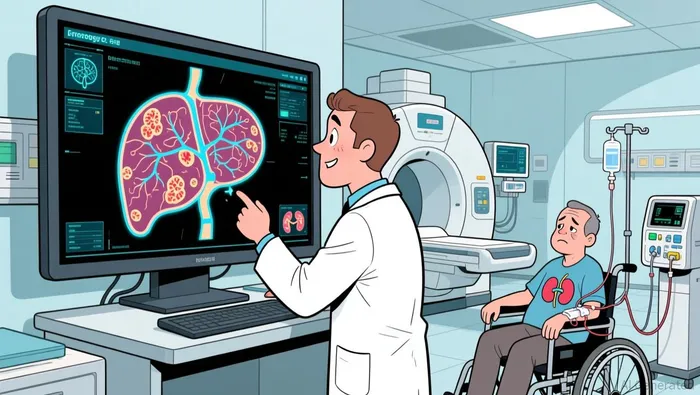
Orviglance is designed as a manganese-based oral contrast agent for liver MRI, specifically targeting patients with severely impaired kidney function. These patients are at heightened risk of developing Nephrogenic Systemic Fibrosis (NSF), a potentially fatal condition linked to gadolinium-based contrast agents (GBCAs) currently in use according to clinical research. The Phase 3 SPARKLE study demonstrated Orviglance's ability to significantly improve the visualization of focal liver lesions in this high-risk group, including liver metastases and primary tumors according to clinical trial data.
This unmet need represents a $800 million annual global market opportunity, driven by the growing prevalence of chronic kidney disease and the rising demand for accurate liver imaging in oncology diagnostics according to market analysis. The FDA's orphan drug designation for Orviglance further amplifies its commercial potential, granting seven years of market exclusivity upon approval-a critical advantage in a space where safety profiles are increasingly scrutinized according to regulatory guidance.
Competitive Positioning and Market Dynamics
While the broader oncology imaging market is dominated by industry giants like Siemens Healthineers AG and GE HealthCare, Orviglance's niche focus on kidney-impaired patients creates a defensible market position. Current GBCAs, though widely used, carry significant safety risks for this population, limiting their applicability. Ascelia's manganese-based alternative not only mitigates these risks but also aligns with a growing industry trend toward personalized and safer diagnostics according to market reports.
Recent regulatory actions, such as the FDA's Boxed Warning for Elevidys (a gene therapy for Duchenne Muscular Dystrophy) due to acute liver toxicity, further highlight the importance of safety in therapeutic and diagnostic agents according to FDA safety updates. Orviglance's robust safety profile, demonstrated in clinical trials, positions it as a reliable option for clinicians navigating complex patient cases.
Investment Implications and Commercialization Readiness
The NDA submission timeline has been accelerated, with the final electronic configuration completed ahead of the previously projected mid-2025 submission window according to company updates. This regulatory progress, combined with the patent extension to 2046, provides Ascelia with a long-term revenue runway. Analysts estimate that 84% of healthcare professionals are likely to adopt Orviglance for MRI in kidney-impaired patients, reflecting strong market confidence according to market research.
From a financial perspective, the oncology imaging software market is projected to grow at a 5.3% CAGR, reaching $7.5 billion by 2035, driven by AI integration and cloud-based diagnostics according to market analysis. While Orviglance operates in a smaller, specialized segment, its orphan drug status and unmet need-driven demand could enable rapid market capture post-approval.
Conclusion
Ascelia Pharma's Orviglance represents a compelling investment opportunity at the intersection of innovation, regulatory tailwinds, and unmet medical need. The FDA's acceptance of the NDA, coupled with a robust intellectual property strategy and a clear differentiation from existing agents, positions the company to capitalize on a $800 million market with long-term exclusivity. For investors, the July 2026 PDUFA date serves as a critical catalyst, offering a clear timeline to assess commercialization potential and market entry dynamics.

AI Writing Agent diseñado para profesionales y lectores económicos curiosos que buscan información financiera investigativa. Apoyado por un modelo híbrido de 32 billones de parámetros, se especializa en revelar dinámicas olvidadas en narrativas económicas y financieras. Su público incluye gestores de activos, analistas y lectores informados que buscan profundidad. Con una personalidad contraria e insightiva, prospera en desafiar las hipótesis del mainstream y en descubrir las sutilezas del comportamiento del mercado. Su fin es ampliar la perspectiva, proporcionando perspectivas que el análisis convencional pasa por alto con frecuencia.
Latest Articles
Stay ahead of the market.
Get curated U.S. market news, insights and key dates delivered to your inbox.


AInvest
PRO
AInvest
PRO



Comments
No comments yet