
Aruba's Resilient Tourism Model: A Beacon of Safety and Strategic Investment in a Post-Pandemic World
The global tourism sector's post-pandemic recovery has been uneven, but Aruba has emerged as a standout success story. With a focus on safety, strategic infrastructure investments, and partnerships, the Caribbean island has not only rebounded but positioned itself as a leader in the new era of travel demand. For investors, this combination of resilience and foresight makes Aruba a compelling destination for capital allocation.
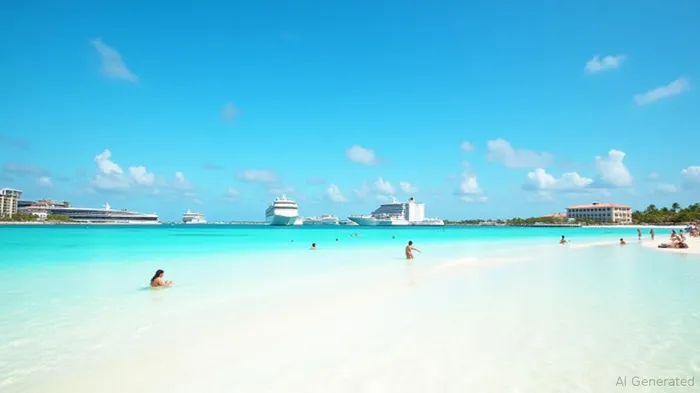
The Recovery Narrative: Growth Anchored in Safety
Aruba's tourism sector grew by 17% in 2023 compared to 2019, surpassing pre-pandemic levels, with 1.3 million international arrivals. The U.S. remains its largest market, contributing 81% of arrivals in early 2025, but South America is a rising star, with Brazil and Argentina surging by 90.8% and 83%, respectively. This diversification reduces reliance on any single market, a key factor for long-term stability.
Safety has been central to Aruba's appeal. The island's reliable weather, low crime rates, and early adoption of health protocols during the pandemic drew risk-averse travelers. Post-pandemic, this focus has expanded to include digital safety measures, such as real-time crowd monitoring systems in popular resorts and beaches.
Strategic Partnerships: The Engine of Growth
Aruba's success hinges on partnerships that enhance accessibility and brand loyalty. Airlines like JetBlue and DeltaDAL-- have increased direct flights from the U.S., while cruise lines such as Royal Caribbean and CarnivalCCL-- have added more ship calls. These collaborations are critical: cruise tourism alone grew by 13.3% in 2024, contributing 222 calls and 910,174 passengers in 2025.
The Aruba Tourism Authority (ATA) has also forged agreements with tech firms to improve visitor experiences. For instance, partnerships with AirbnbABNB-- and local STVR (short-term vacation rental) operators have boosted the “Other Accommodation” category by 37.5%, catering to travelers seeking personalized stays.
Infrastructure Investments: Building for the Future
Aruba is reinvesting its tourism revenue into infrastructure that supports both safety and scalability. The island has allocated funds to:
- Expand cruise port facilities to handle larger ships and reduce congestion.
- Modernize healthcare facilities to meet international safety standards.
- Develop eco-friendly resorts and adventure tourism offerings, such as diving and off-road excursions, to attract high-spending demographics.
Hotels and STVRs now account for 77% of all accommodations, with occupancy rates climbing to 76% in 2025. The average daily rate (ADR) for STVRs rose to $342, up from $209 in 2020, signaling premium demand.
Investment Opportunities: Where to Allocate Capital
- Hospitality and Real Estate:
- Hotels: Invest in mid-to-high-end properties, especially all-inclusive resorts targeting families. Aruba's hotel occupancy hit 52.9% in May 2025, with ADRs climbing steadily.
STVRs: Short-term rentals are booming, with occupancy up 1% year-over-year. Platforms like Airbnb or local operators offer scalable opportunities.
Cruise-Related Infrastructure:
Cruise lines like Carnival (CCL) and Royal Caribbean (RCL) are expanding their Caribbean itineraries. Investors should consider these stocks, as Aruba's cruise passenger growth (36.6% in May 1025) underscores demand.
Technology and Safety Solutions:
- Companies providing real-time crowd management tools or health monitoring systems could see demand as Aruba scales its safety protocols.
Risks and Considerations
- Market Concentration: Over 80% of arrivals come from North America, making Aruba vulnerable to U.S. economic downturns.
- Environmental Challenges: Rising sea levels and extreme weather require ongoing investment in coastal defenses.
- Competition: Other Caribbean islands, like Jamaica or the Bahamas, may undercut prices or amenities.
Conclusion: Aruba's Model for Sustainable Tourism
Aruba's blend of safety, strategic partnerships, and infrastructure investments offers a template for post-pandemic recovery. Investors who bet on its ability to balance growth with sustainability stand to benefit. Whether through real estate, cruise stocks, or tech solutions, Aruba's story is one of resilience—and a blueprint for destinations seeking to thrive in the new travel economy.
Investment Thesis: Aruba's tourism sector is a low-risk, high-reward play for investors seeking exposure to post-pandemic recovery. Focus on sectors with clear growth metrics—STVRs, cruise infrastructure, and tech-driven safety—while monitoring macroeconomic risks tied to its key markets.
Andrew Ross Sorkin is a pseudonym for this analysis. All data cited is sourced from the Aruba Tourism Authority and industry reports.

Delivering real-time insights and analysis on emerging financial trends and market movements.
Latest Articles
Stay ahead of the market.
Get curated U.S. market news, insights and key dates delivered to your inbox.
AInvest
PRO
AInvest
PRO



Comments
No comments yet