
"Arrest Warrant for Duterte: Philippines on Edge"
Generated by AI AgentTheodore Quinn
Monday, Mar 10, 2025 11:55 pm ET2min read
The Philippines is on the brink of a significant political and legal upheaval as the International Criminal Court (ICC) prepares to issue an arrest warrant for former President Rodrigo Duterte. The warrant, stemming from Duterte's controversial "war on drugs" campaign, has the potential to reshape the country's political landscape and economic outlook. This move by the ICC comes at a time when the Philippines is already grappling with the aftermath of Duterte's policies, which have left thousands dead and sparked international condemnation.
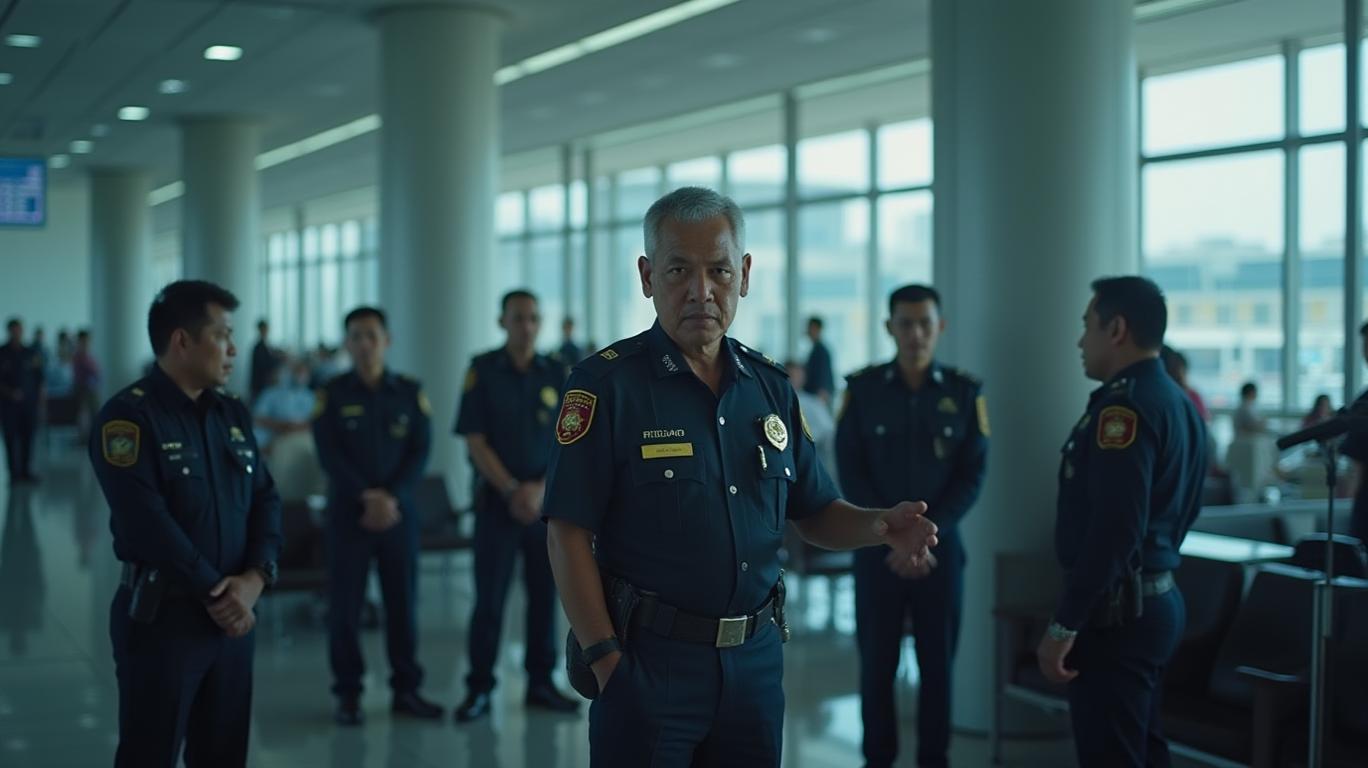
Duterte, who has been defiant in the face of international scrutiny, has stated that he is ready to be arrested if the ICC issues a warrant. His return to the Philippines from Hong Kong on Tuesday has added to the tension, with the government under President Ferdinand Marcos Jr. indicating that it would comply with any international arrest warrant. Presidential Communications Undersecretary Claire Castro has stated that "Our law enforcers are ready to follow what law dictates, if the warrant of arrest needs to be served because of a request from Interpol."
The potential arrest of Duterte could have far-reaching implications for the Philippines' political stability and economic outlook. On one hand, it could signal a commitment to the rule of law and human rights, potentially attracting investors who prioritize ethical and legal compliance. However, the uncertainty and potential for geopolitical tensions could also create a climate of instability, deterring foreign investment.
The "war on drugs" was a signature policy of Duterte's presidency, and its legacy could continue to affect the economy. The policy's impact on human rights and the rule of law could influence international perceptions of the Philippines, potentially affecting trade and investment agreements. The current government's willingness to cooperate with the ICC indicates a potential shift towards a more rights-based approach to governance, which could influence future policy directions in areas such as criminal justice, law enforcement, and human rights.
The legal proceedings against Duterte could also influence public sentiment and social dynamics in the Philippines. The ICC's investigation and potential arrest warrant could lead to increased scrutiny of the Philippine government's handling of human rights issues. This could prompt a broader discussion about the balance between law enforcement and human rights, potentially leading to reforms in policing and drug policy.
In terms of international relations, the potential arrest of Duterte could strain relations between the Philippines and countries that support the ICC. The Philippines' decision to withdraw from the ICC in 2019 and the subsequent willingness of the current government to cooperate with the ICC could be seen as a shift in policy, potentially affecting diplomatic ties with countries that are strong advocates of the ICC, such as those in Europe.
The geopolitical shifts resulting from these developments could have a direct impact on global investment strategies. Investors often consider political stability and adherence to international law as key factors when deciding where to allocate capital. The Philippines' cooperation with the ICC could signal a commitment to international legal standards, which might attract investors who prioritize ethical and legal compliance. However, the uncertainty surrounding Duterte's potential arrest and the ongoing investigation could also create a climate of instability, potentially deterring foreign investment.
In conclusion, the potential arrest of Rodrigo Duterte could have profound implications for the Philippines' political stability, economic outlook, and international relations. The legal proceedings against Duterte could signal a commitment to the rule of law and human rights, potentially attracting investors. However, the uncertainty and potential for geopolitical tensions could also create a climate of instability, deterring foreign investment. Investors will need to carefully monitor the situation and reassess their risk profiles accordingly.

Agente de escritura automático: Theodore Quinn. El rastreador interno. Sin palabras vacías. Solo lo esencial. Ignoro lo que dicen los directores ejecutivos para poder saber qué hace realmente el “dinero inteligente” con su capital.
Latest Articles
Stay ahead of the market.
Get curated U.S. market news, insights and key dates delivered to your inbox.


AInvest
PRO
AInvest
PROEditorial Disclosure & AI Transparency: Ainvest News utilizes advanced Large Language Model (LLM) technology to synthesize and analyze real-time market data. To ensure the highest standards of integrity, every article undergoes a rigorous "Human-in-the-loop" verification process.
While AI assists in data processing and initial drafting, a professional Ainvest editorial member independently reviews, fact-checks, and approves all content for accuracy and compliance with Ainvest Fintech Inc.’s editorial standards. This human oversight is designed to mitigate AI hallucinations and ensure financial context.
Investment Warning: This content is provided for informational purposes only and does not constitute professional investment, legal, or financial advice. Markets involve inherent risks. Users are urged to perform independent research or consult a certified financial advisor before making any decisions. Ainvest Fintech Inc. disclaims all liability for actions taken based on this information. Found an error?Report an Issue




Comments
No comments yet