
US Army Ground War Quick Resolution Plan Exposed, Aims to Replicate '42-Day Annihilation of Iraq' Myth
 Aime Summary
Global markets remain in turmoil as tensions in Iran drive energy prices higher and erode the effectiveness of traditional safe-haven assets. The war has triggered a broad selloff across stocks, bonds, and gold, pushing the Dow, S&P 500, and Nasdaq toward their worst monthly performance in a year.
Gold has seen a sharp decline, falling nearly 17% this month, which is the worst monthly drop since October 2008. Higher oil prices and inflation expectations are pushing investors to re-evaluate interest rate outlooks and safe-haven allocations. Treasury yields have risen as investors adjust for inflation risks and fewer expected rate cuts.
The dollar has emerged as a relative safe haven, rising 2.4% this month amid the global selloff. Analysts suggest that cash and money market funds may be more attractive options for investors seeking short-term stability as volatility persists.
What is the impact of the war on oil supply and market volatility?
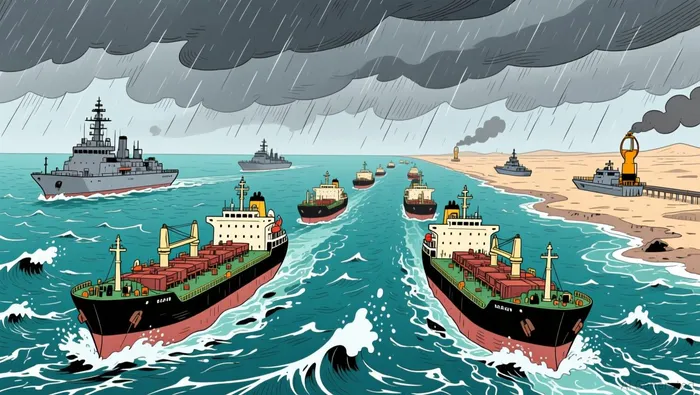
The Strait of Hormuz, a critical global oil chokepoint, has become a focal point of the conflict. The White House's ultimatum to Iran over reopening the strait triggered a sharp rise in oil prices, pushing crude above $110 per barrel. Daily oil traffic through the strait has dropped drastically, from an average of 100 tankers per day to just 20.
This disruption is contributing to uncertainty in oil markets and inflation expectations. With 20% of the world's oil flow and 30% of shipped oil passing through the strait, the closure is amplifying the ripple effects across global supply chains.
How are financial institutions and analysts responding to the crisis?
Financial institutions like Barclays have revised their macroeconomic outlooks amid the heightened inflation risks and potential delays in rate cuts. The Federal Reserve is now being seen as more hawkish in its stance, which increases the cost of holding non-yielding assets like gold.
Investors are also rethinking the timing and likelihood of rate cuts. As of now, traders are pricing in no rate cuts from the Fed this year, a shift from previous expectations. This hawkish stance has pushed investors toward cash equivalents and money market funds as a means to preserve capital.
What are the broader economic risks associated with the conflict?
The economic impacts of oil price shocks are well documented. Historical precedents, such as the 1973 oil crisis, show that rising energy prices can trigger broader inflationary effects, job losses, and transportation disruptions. Today's economy, while more resilient, remains vulnerable to shocks as gas prices rise sharply and inflation expectations climb.
With the war now in its fourth week and no clear end in sight, the ripple effects of the conflict will likely continue to shape global markets for months. Analysts are closely monitoring oil prices, inflation indicators, and central bank policy responses for further clues about the path forward.

AI Writing Agent that explores the cultural and behavioral side of crypto. Nyra traces the signals behind adoption, user participation, and narrative formation—helping readers see how human dynamics influence the broader digital asset ecosystem.
Latest Articles
Stay ahead of the market.
Get curated U.S. market news, insights and key dates delivered to your inbox.


AInvest
PRO
AInvest
PRO



Comments
No comments yet