
Arizona Moves to Establish First US State Bitcoin Reserve
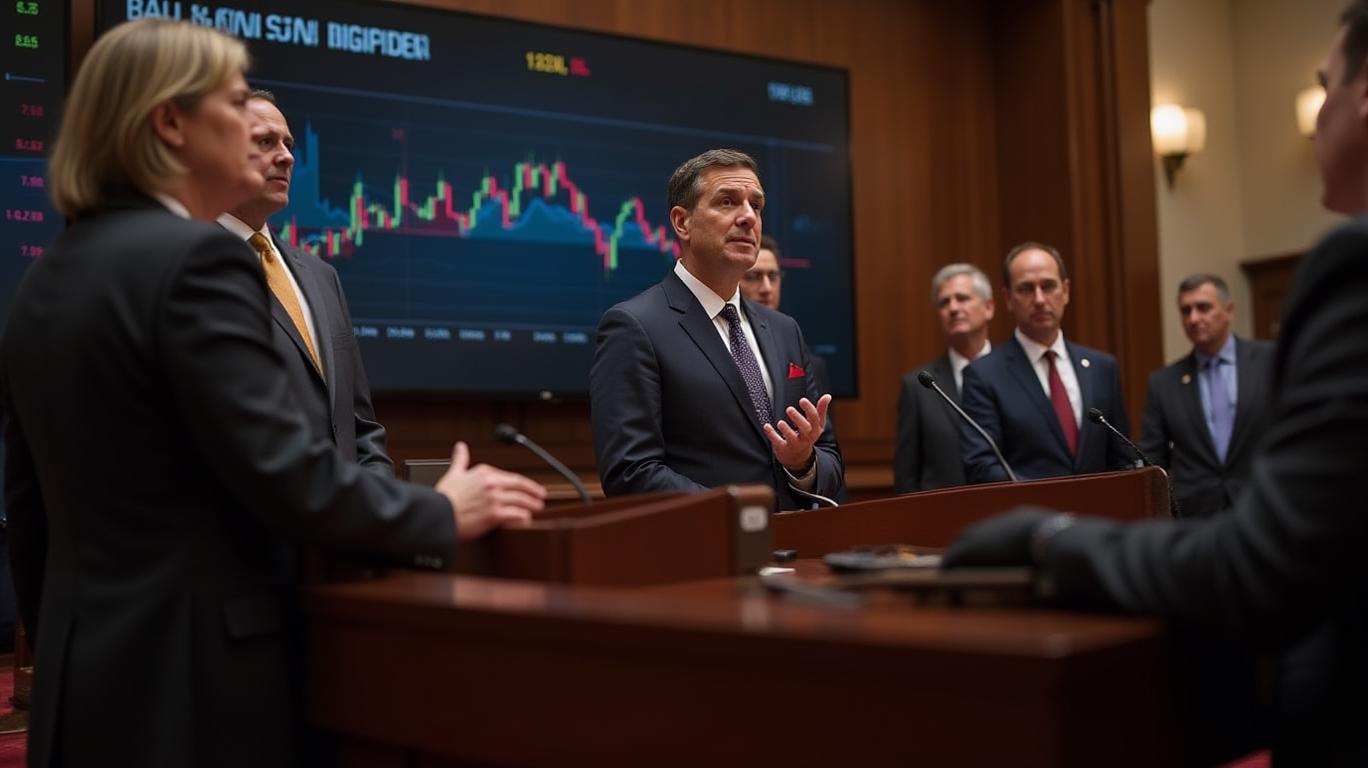
Arizona has approved a bill to establish a strategic Bitcoin reserve, marking a significant step towards wider adoption of cryptocurrencies by state governments. The bill, sponsored by Republican state representative Jeff Weninger, aims to create a legal framework for the state to invest in Bitcoin and other cryptocurrencies.
The legislation, known as HB 2529, passed the Arizona House of Representatives with a vote of 41-16 and is now awaiting the governor's signature. If signed into law, Arizona would become the first state in the U.S. to establish a state-level cryptocurrency reserve.
The bill's approval comes amidst a growing interest in cryptocurrencies among state governments. In February, Wyoming passed a bill recognizing cryptocurrencies as a form of money, while Texas has been exploring the possibility of creating a state-owned cryptocurrency.
Proponents of the bill argue that investing in Bitcoin can provide Arizona with a hedge against inflation and diversify its investment portfolio. However, critics have raised concerns about the volatility of cryptocurrencies and the potential risks associated with investing public funds in the asset class.
Ripple CEO Brad Garlinghouse has opposed the creation of a Bitcoin reserve, arguing that maximalism is the "enemy" of crypto progress. Garlinghouse's comments have sparked a heated debate among cryptocurrency enthusiasts, with some accusing Ripple of lobbying against the initiative.
The odds of the U.S. government creating a national Bitcoin reserve in 2025 stand at 55%, according to a recent survey. The survey, conducted by the Cambridge Centre for Alternative Finance, found that a majority of respondents believed that the U.S. government would eventually adopt a more favorable stance towards cryptocurrencies.
The approval of the Arizona bill is a significant development in the ongoing debate over the role of cryptocurrencies in the U.S. economy. As more states explore the possibility of investing in cryptocurrencies, the pressure on the federal government to adopt a clear regulatory framework for the asset class is likely to increase.

Stay ahead of the market.
Get curated U.S. market news, insights and key dates delivered to your inbox.


AInvest
PRO
AInvest
PRO



Comments
No comments yet