
Arizona Governor Vetoes Bitcoin Reserve Bill
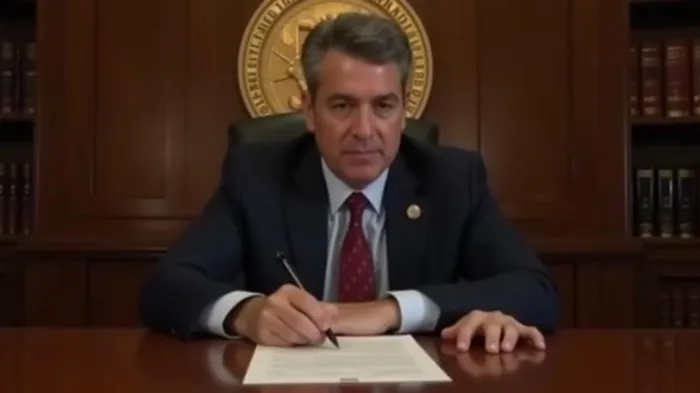
Governor Katie Hobbs of Arizona has vetoed Senate Bill 1025, effectively blocking the state's plan to include Bitcoin in its legally binding accounting of state holdings. This decision comes despite significant support for the proposal, which aimed to position Arizona as the first state in the United States to adopt such a strategy. The veto was announced by the Arizona State Legislature on May 3, 2025.
The proposed legislation, known as the Digital Assets Strategic Reserve, would have allowed the state to invest confiscated funds in Bitcoin, creating a reserve supervised by state officials. However, Governor Hobbs cited broader legislative priorities as the reason for her veto, emphasizing that she would not sign any bills that were not consistent with a bipartisan plan on disability funding. "I have rejected Senate Bill 1025 today," Hobbs declared, highlighting her focus on other state issues.
The legislative journey of the Bitcoin reserve bills began early in the year. On April 28, 2025, SB 1025 passed out of the Arizona House and was sent to Governor Hobbs’ desk for approval. The House also passed SB 1373 that same day, with a vote of 37–19. According to SB 1373, the comptroller of Arizona could have invested up to 10% of the state’s emergency fund in cryptocurrency, such as Bitcoin. However, SB 1373 faced delays as the Senate caucuses met to review the amendments from the House by May 1, 2025. The Republican caucus agreed to the changes, but the Democratic caucus had not decided yet, leaving the bill in limbo and awaiting further action before it could be sent to the governor for a signature.
The legislative process highlighted the challenges of passing policies related to cryptocurrency. Both bills received significant support in the House, but the Senate approval of SB 1373 remained uncertain, as did the governor’s position, which depended on unrelated funding issues. This situation reflects the broader tensions in state governance, where cryptocurrency policy progress is often overshadowed by other legislative priorities.
Governor Hobbs’ veto of SB 1025 effectively halted Arizona’s ambition to become an early adopter of Bitcoin at the state level. The proposal to keep Bitcoin in reserves was part of a wider trend, as other states have also considered similar moves. For example, North Carolina’s House passed the Digital Assets Investment Act on April 30, 2025, which would allow up to 5% of certain funds to be invested in approved cryptocurrencies. This veto also reflects broader tensions in state governance, as Hobbs had previously warned she would reject legislation not related to her priority of obtaining bipartisan support for disability funding.
Meanwhile, the fate of SB 1373 remains uncertain. The bill could still go to the governor’s desk if the Senate Democrats agree with the House amendments. However, the likelihood of approval seems low considering Hobbs’ recent veto of SB 1025. The situation reflects issues faced by other states, such as Utah, which has scaled back its Bitcoin reserve proposals. The veto is a major blow to cryptocurrency advocates in Arizona, as the governor’s decision has put a hold on those efforts for now, although the state’s lawmakers were willing to explore digital assets.

Stay ahead of the market.
Get curated U.S. market news, insights and key dates delivered to your inbox.


AInvest
PRO
AInvest
PRO



Comments
No comments yet