
Arizona Governor Vetoes Bill for State-Managed Crypto Reserve Fund
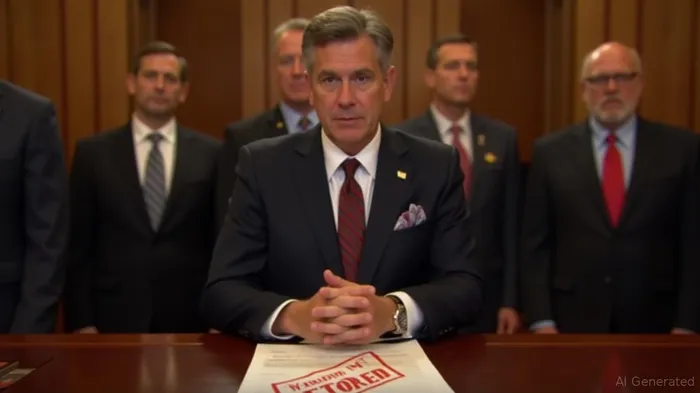
Arizona Governor Katie Hobbs has vetoed House Bill 2324, marking the third time she has rejected a similar proposal aimed at creating a state-managed “Bitcoin and Digital Assets Reserve Fund” from seized cryptocurrencies. This latest veto underscores the governor's stance on crypto initiatives within the state, indicating a cautious approach towards integrating digital assets into state finances.
House Bill 2324 proposed the establishment of a reserve fund to hold and manage crypto assets seized through criminal proceedings. Under the bill, the first $300,000 worth of seized digital assets would be allocated to the Attorney General’s office. Any amount exceeding this threshold would be divided, with 50% going to the Attorney General, 25% to the state’s general fund, and the remaining 25% to the newly created digital assets reserve fund. Proponents of the bill argued that it could help Arizona prepare for the future while funding public services with already seized assets.
Governor Hobbs' primary concern with HB 2324 was that it might “disincentivize local enforcement from working with the state on digital assetDAAQ-- forfeiture by removing seized assets from local jurisdictions.” She expressed that the bill could discourage local law enforcement from cooperating with state agencies if they believed they wouldn’t benefit directly from seized digital assets. Essentially, Hobbs' issues with the bill were that while the state would manage the confiscated crypto, other agencies relying on forfeiture proceeds for funding might be excluded from the process.
The path to the rejection of HB 2324 was tumultuous. After being voted down during its third reading in the House in May, the bill was revived with a reconsideration vote and narrowly passed in a 34–22 vote on June 24. Despite this comeback, the governor’s veto ultimately killed the bill. Unless a two-thirds majority in both the House and Senate is achieved to override it, the bill is likely to remain rejected. This is not the first time Governor Hobbs has opposed state-backed crypto initiatives. In May 2025, she vetoed Senate Bill 1025, which planned to create an “Arizona Strategic BitcoinBTC-- Reserve,” allowing the state treasurer to invest up to 10% of state funds in Bitcoin. Around the same time, she also blocked Senate Bill 1373, which was similar to HB 2324 in its focus on a digital treasury sourced from seized digital assets. Despite these rejections, Hobbs has not dismissed crypto entirely. She signed House Bill 2749, which allows for a digital asset reserve fund under a different legal framework. This bill, enacted in May, integrates crypto into Arizona’s financial and unclaimed property systems and places crypto reserve fund management under the state treasurer, aiming to enhance control and transparency.
Governor Hobbs' approach to crypto is reflective of a broader trend within the Democratic Party, which generally favors caution and consumer protection over rapid adoption. Some Republicans have advocated for embracing Bitcoin as a state asset, but most Democrats continue to highlight the risks involved. For instance, Connecticut recently banned state agencies from investing in cryptocurrencies, a move passed unanimously and signed by Democratic Governor Ned Lamont. At the national level, Senator Elizabeth Warren has been a vocal critic of crypto, pointing out the risks posed by the 2022 collapse of major crypto firms, which nearly caused a systemic financial crisis and wiped out significant value. Warren and other Democrats continue to advocate for stricter federal oversight, indicating that future crypto-focused bills at both state and federal levels may face significant challenges.

Stay ahead of the market.
Get curated U.S. market news, insights and key dates delivered to your inbox.


AInvest
PRO
AInvest
PRO



Comments
No comments yet