
Arizona Establishes Bitcoin Reserve Fund for Unclaimed Digital Assets
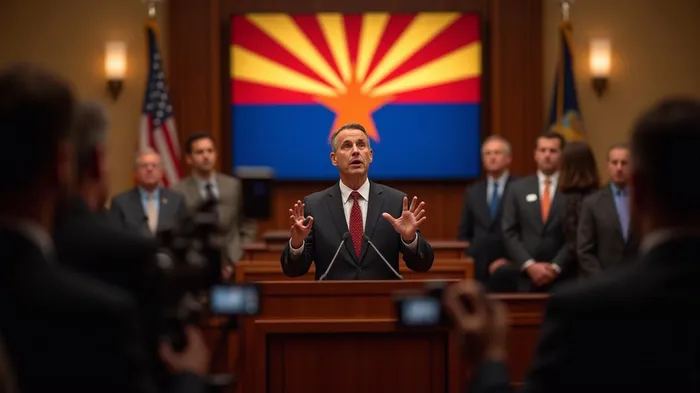
Arizona Governor Katie Hobbs has signed House Bill 2749 into law, allowing the state to claim ownership of abandoned digital assets if the owner fails to respond to communications within three years. This legislation updates Arizona's unclaimed property laws to accommodate the growing presence of digital assets, including cryptocurrencies, and establishes a Bitcoin Reserve Fund. The state’s custodians can stake the crypto to earn rewards or receive airdrops, which can then be deposited into the fund.
The new law aims to create a Bitcoin Reserve Fund, which will hold profits from old, unclaimed assets such as forgotten bank accounts or uncollected checks. These assets will be converted into Bitcoin, providing a modern approach to managing unclaimed property. This initiative reflects a broader trend in the U.S. where states are exploring innovative ways to manage and utilize digital assets.
The legislation also includes provisions that exclude a central bank digital currency (CBDC) from the definition of money and legal tender in the state. This move is part of a broader effort to create roadblocks for the implementation of a CBDC, which some view as a potential tool for government surveillance and control. By amending the Arizona Uniform Commercial Code (UCC), the state ensures that a federally recognized CBDC cannot be used as legal tender, potentially complicating its implementation at the federal level.
The passage of HB 2749 and the exclusion of CBDCs from legal tender highlight Arizona's proactive stance on digital assets. The state's decision to hold unclaimed digital assets in their native form, rather than converting them to fiat currency, underscores a growing acceptance of cryptocurrencies as a legitimate form of value. This approach not only modernizes the management of unclaimed property but also positions Arizona as a leader in digital asset regulation.
The implications of this legislation extend beyond Arizona. Other states may follow suit, adopting similar policies to manage unclaimed digital assets and protect against the potential risks of a CBDC. The move also reflects a broader shift in how governments and institutions view digital currencies, recognizing their potential as a viable and valuable asset class. As more states explore the use of digital assets, the regulatory landscape for cryptocurrencies is likely to evolve, potentially leading to greater acceptance and integration into mainstream financial systems.
On May 3, Hobbs vetoed a similar Bitcoin (BTC) reserve bill, Senate Bill 1025, which would have allowed the state to invest seized funds into Bitcoin, citing concerns over using public funds for "untested assets.”
Bitcoin Laws founder Julian Fahrer said that Hobbs’ signing of HB 2749 offers more hope that she may also sign Senate Bill 1373, which is currently on her desk. SB 1373 would authorize Arizona’s treasurer, currently Kimberly Yee, to allocate up to 10% of Arizona’s Budget Stabilization Fund into Bitcoin.
The bill’s passage in Arizona follows New Hampshire Governor Kelly Ayotte on May 6 signing House Bill 302 into law, allowing her state’s treasury to use funds to invest in cryptocurrencies with a market capitalization of more than $500 billion. Bitcoin is currently the only cryptocurrency that meets that threshold.

Stay ahead of the market.
Get curated U.S. market news, insights and key dates delivered to your inbox.


AInvest
PRO
AInvest
PRO



Comments
No comments yet