
Arizona Advances Digital Asset Reserve Bill Amid Legislative Hurdles
Arizona's Strategic Digital Assets Reserve Bill (SB 1373) has successfully passed through the House Committee of the Whole, marking a significant milestone in its legislative journey. The bill, which involves 60 House members, was approved on April 17 and is now awaiting its third and final reading before a full floor vote. This development comes as Arizona continues to lead the way in state-level digital asset legislation, with the bill proposing the establishment of a Digital Assets Strategic Reserve Fund.
The fund would be composed of digital assets seized through criminal proceedings and managed by the state’s treasurer. The treasurer would be permitted to invest up to 10% of the fund’s total monies in any fiscal year in digital assets and could loan the fund’s assets to increase returns, provided it does not increase financial risks. This strategic approach aims to leverage digital assets as a means of enhancing the state's financial reserves and potentially generating additional revenue.
However, the bill's path to becoming law is not without challenges. Arizona Governor Katie Hobbs has recently pledged to veto all bills until the legislature passes a bill for disability funding. Additionally, Hobbs has a history of vetoing bills before the House, having vetoed 15 bills sent to her desk this week alone. This stance adds an element of uncertainty to the bill's future, as it may face opposition from the governor despite its progress through the legislative process.
SB 1373 is not the only digital asset-related bill making its way through Arizona's legislature. The Arizona Strategic Bitcoin Reserve Act (SB 1025), which focuses solely on Bitcoin, has also been advancing. This bill proposes allowing Arizona’s treasury and state retirement system to invest up to 10% of the available funds into Bitcoin. SB 1025 passed the House Committee of the Whole on April 1 and is now awaiting a full floor vote, further solidifying Arizona's position as a leader in state-level digital asset legislation.
The legislative efforts in Arizona are part of a broader trend among states exploring the potential of digital assets as a reserve. Utah passed Bitcoin legislation on March 7 but ultimately scrapped the cornerstone provision establishing the Bitcoin reserve in the final reading. Similarly, the Texas Senate passed a Bitcoin reserve bill on March 6, and a similar bill recently passed through New Hampshire’s House. These developments highlight the varying approaches and challenges states face when considering the integration of digital assets into their financial strategies.
The approval of Arizona's bill and the rejection of Oklahoma's proposal illustrate the diverse perspectives and challenges involved in integrating digital assets into state financial strategies. As more states explore the potential of digital assets, the outcomes of these legislative efforts will shape the future of digital asset reserves in the United States. The progress of SB 1373 and SB 1025 in Arizona underscores the growing interest in digital assets as a potential reserve and the complex legislative process involved in their integration. 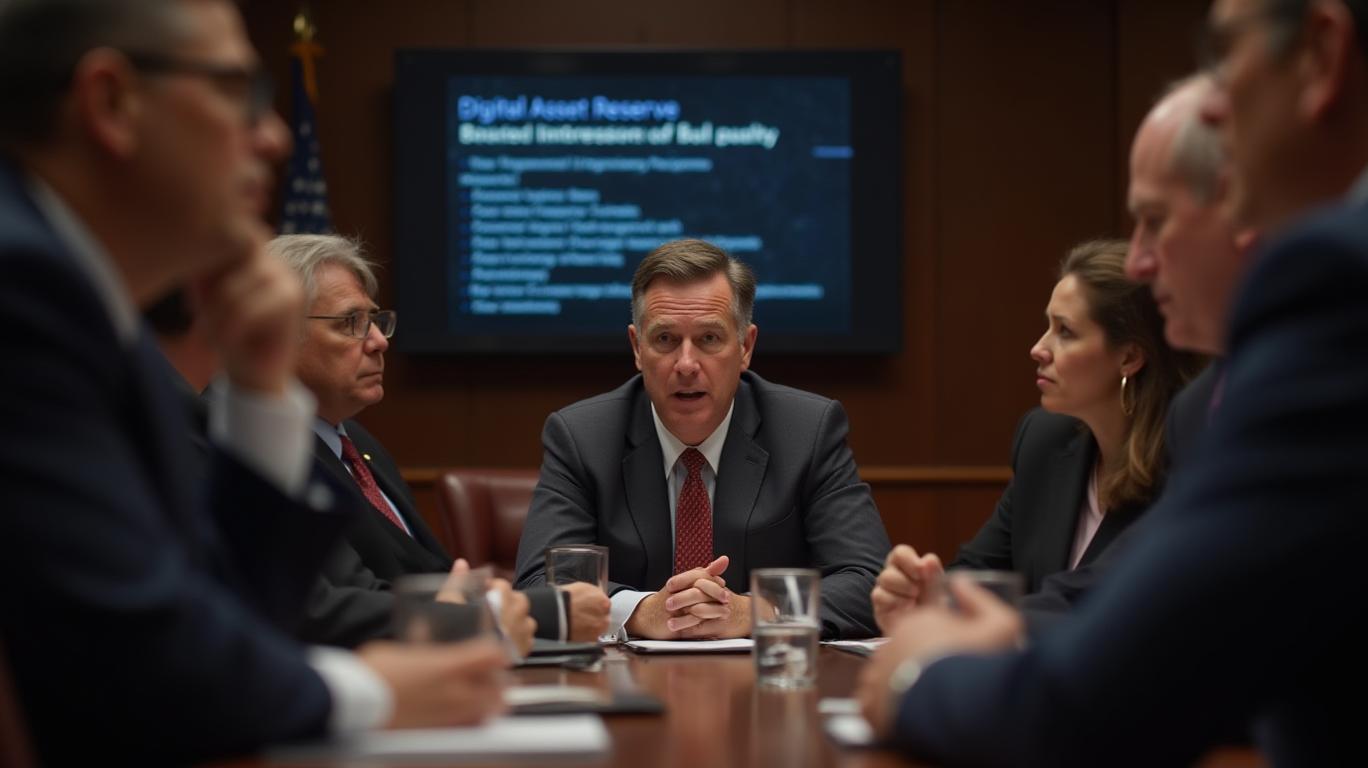

Stay ahead of the market.
Get curated U.S. market news, insights and key dates delivered to your inbox.


AInvest
PRO
AInvest
PRO



Comments
No comments yet