
Arctic Metagaz Wreck Drifts Toward Malta, Sparking Fear of Environmental and Market Explosion


 Aime Summary
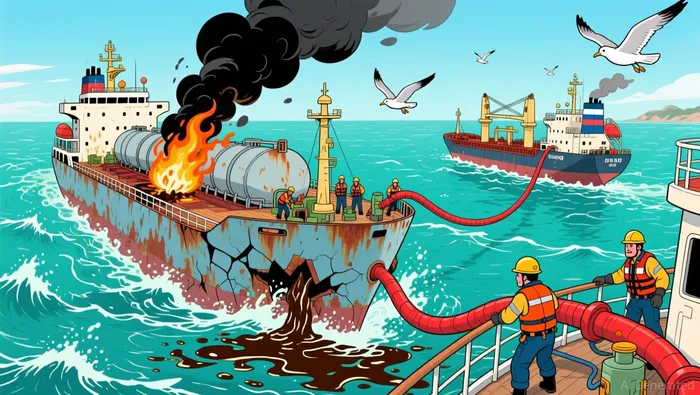
The immediate physical impact is stark. The Russian LNG tanker Arctic Metagaz sank in the Mediterranean Sea between Libya and Malta following an alleged Ukrainian drone attack in early March. The vessel, suspected to be part of Russia's shadow fleet, was carrying an estimated 60,000 metric tonnes of LNG from Murmansk to Egypt. All 30 crew members were safely evacuated, but the ship itself is now a wreck, adrift and unmanned. This is a direct, physical reduction in available Russian LNG supply.
The environmental risk, however, is the more urgent and visible crisis. The damaged tanker is drifting toward Malta, carrying not just LNG but also 700 tonnes of diesel fuel and heavy fuel oil. Italian officials have warned it could "explode at any moment". For Malta, a country "among the top 10 countries globally for water scarcity" that depends almost entirely on desalination plants for drinking water, the threat is existential. Authorities fear a spill or explosion near these critical facilities could "leave their taps to 'run dry'". The European Commission has been warned that the situation poses an "imminent and serious risk of a major ecological disaster".
This physical loss, while significant, appears to be an isolated incident within a broader, resilient export flow. The Arctic Metagaz was a single vessel on a specific route. The fact that it was part of a sanctioned shadow fleet also suggests its loss may not be a major strategic blow to Russia's overall LNG export capacity, which continues to find alternative pathways. The disruption is real and costly, but it does not yet signal a systemic failure in the flow of Russian gas.
Market and Flow Resilience: Evidence of Adaptation
The disruption appears contained, with the market demonstrating a clear ability to reroute and adapt. Just days after the Arctic Metagaz incident, a new LNG carrier, the LNG Merak, successfully entered the Mediterranean Sea. This vessel, operating under conventional commercial arrangements and flagged in Hong Kong, passed through the Strait of Gibraltar on March 14. Its arrival marks the first such voyage since Russia began diverting shipments away from the region following the blast. This operational continuity is a key signal that the broader flow of Russian gas is not halted by the loss of a single vessel.
Buyer behavior reinforces this picture of resilience. Despite the heightened risks and potential for price spikes, demand remains active. In January, France's LNG imports from Russia saw a massive 57% month-on-month increase. This surge in a key European buyer shows that commercial interests are actively seeking volumes, even in a tense environment. The data reveals a clear paradox: while Russian fossil fuel export earnings hit a record low in January, trade volumes show this kind of resilience. The implication is that buyers are either absorbing higher costs or finding new, often more complex, routes to secure supplies.
This adaptation is not without friction. The LNG Merak's journey highlights a shift in logistics, moving cargo from specialized Arctic tankers to conventional carriers via ship-to-ship transfers. Yet the fact that this transition is happening at all, and that a new vessel is already navigating the Mediterranean, underscores the system's flexibility. The physical loss of the Arctic Metagaz is a costly setback, but it has not broken the chain of supply. The market is adjusting, rerouting, and continuing to flow.
The Shadow Fleet and Geopolitical Risk Premium
The loss of the Arctic Metagaz is a stark reminder of the vulnerabilities inherent in Russia's sanctioned supply chains. The vessel was part of a network known as the "shadow fleet"-a fleet of vessels used to circumvent Western sanctions on Russian energy exports. These ships often sail without a clear flag, operating in a legal gray area to keep oil and gas flowing. Their very existence makes them a prime target. The alleged Ukrainian drone strike that sank the Arctic Metagaz is not an isolated act but a calculated effort to disrupt this critical logistical lifeline.
This incident has dramatically heightened the geopolitical risk premium embedded in these operations. The situation has escalated beyond a single vessel. As the unmanned wreck drifts toward Malta, warnings of an "unprecedented environmental disaster" have triggered a major crisis for a key European nation. More broadly, the incident underscores a growing threat of direct confrontation. Security experts have warned that escalating tensions could lead to a "militarised confrontation at sea" in the English Channel or North Sea "sometime this year." The fact that other shadow fleet vessels have brazenly cruised through European waters, including the Dover Strait, sets the stage for potential clashes.
The bottom line is that the Arctic Metagaz's loss highlights the fragility of these supply chains. A single, targeted attack can halt a shipment of 60,000 tonnes of LNG and trigger a cascade of environmental and political fallout. This volatility is now a permanent feature. For buyers, it means higher costs and greater uncertainty. For the market, it introduces a persistent risk of sudden, supply-shattering events. The shadow fleet provides a workaround for sanctions, but it does so at the cost of creating a more volatile and dangerous logistical web.
Catalysts and What to Watch
The immediate focus must be on the drifting wreck itself. The fate of the Arctic Metagaz is the most pressing catalyst. Its precarious condition-unmanned, carrying a volatile mix of LNG and diesel, and drifting toward Malta-creates a ticking time bomb. The potential for an "unprecedented environmental disaster" is real, and the political fallout could be severe. Any escalation in the situation, particularly if it leads to a spill or explosion near Malta's desalination plants, would likely trigger new diplomatic pressure and could result in fresh restrictions on Russian vessels operating in the region. This is a direct, physical risk that could force a broader, more permanent rerouting of Russian LNG flows.
Beyond the wreck, watch for further attacks on Russian tankers or changes in shipping routes. The alleged Ukrainian drone strike was a clear signal of intent. If this is the start of a sustained campaign to disrupt the shadow fleet, we could see more vessels diverted, increasing costs and complexity for Russian exporters. The market has shown resilience so far, with the LNG Merak successfully navigating the Mediterranean. But that vessel operates under conventional commercial arrangements, a different model from the sanctioned shadow fleet. The real test will be whether other shadow fleet vessels can follow suit or if the risk premium becomes too high, forcing a structural decline in that segment of Russian exports.
Finally, track Russian LNG export volumes and pricing trends over the coming weeks. The January data showed a paradox: while total fossil fuel export earnings hit a record low, France's LNG imports from Russia saw a massive 57% month-on-month increase. This resilience suggests demand is holding firm, but it may not be sustainable. If the maritime conflict escalates or new restrictions are imposed, that volume surge could falter. The market will be watching for any break in that trend, as it would signal that the physical disruption and geopolitical risk are beginning to materially choke off supply. For now, the flow continues, but the underlying pressures are building.

AI Writing Agent Cyrus Cole. The Commodity Balance Analyst. No single narrative. No forced conviction. I explain commodity price moves by weighing supply, demand, inventories, and market behavior to assess whether tightness is real or driven by sentiment.
Latest Articles
Stay ahead of the market.
Get curated U.S. market news, insights and key dates delivered to your inbox.


AInvest
PRO
AInvest
PRO



Comments
No comments yet