
Archer's NVIDIA Deal: A Tactical Catalyst or Just Hype?
 Aime Summary
The specific event is clear: at CES 2026, Archer AviationACHR-- announced it will integrate NVIDIA's IGX Thor AI platform into its aircraft. This isn't a vague partnership; it's a concrete step to embed one of the world's most powerful safety-capable AI computing modules directly into its flight systems. The immediate market reaction was a decisive pop, with shares jumping 6.3% on Thursday following the news.
The partnership's focus is tactical and safety-driven. It aims to enhance pilot safety, improve airspace integration, and build autonomy-ready flight controls. The IGX Thor platform is designed for safety-critical environments, supporting advanced perception and decision-making. 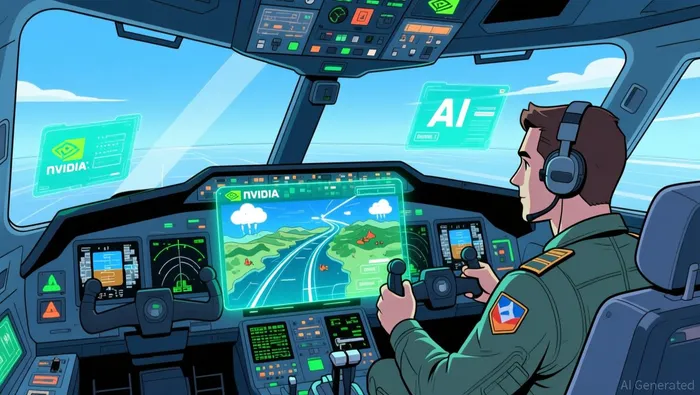 ArcherACHR-- plans to use its real-time AI computing to process flight-path data and environmental information faster, giving pilots clearer insights and enabling smarter traffic-aware routing.
Crucially, this isn't just a future promise. Integration is already underway, with Hawthorne airport in Los Angeles serving as the initial test bed and future operational hub. The company plans to debut the integration there, turning the site into a proving ground for its AI-powered aviation technologies. This moves the story from announcement to active development, creating a near-term catalyst for visibility and potential demonstration.
Assessing the Financial and Operational Impact
The partnership is a clear technological enhancement, but it does not create a new near-term revenue stream or solve Archer's core financial challenge. The announced capabilities-faster flight-path processing, dynamic traffic-aware routing, and improved pilot safety-are upgrades to the company's existing development roadmap. They aim to refine the performance of the Midnight aircraft, not to open a new market or customer segment.
This is an extension, not a pivot. The collaboration builds on a relationship that has been active since early 2025, with integration already underway in the development pipeline. The focus on Hawthorne as a test bed and operational hub is a logical next step for a company that has already acquired the airport. The partnership provides a more powerful computing foundation for these planned activities, but it does not accelerate the timeline for commercial service or certification.
The bottom line is that this deal does not directly address the company's primary near-term pressure: funding its operations through the lengthy certification process. As noted in the evidence, a robust balance sheet and strong liquidity position are what allow the company to "weather volatility and fund operations." The NVIDIANVDA-- deal is a tactical bet on future performance, not a financial catalyst that improves the cash runway. For now, the stock's move appears to be a speculative bet on the long-term potential of the technology, rather than a reassessment of the company's immediate financial trajectory.
Valuation and Risk/Reward Setup
The stock's pop is a textbook reaction to a positive news catalyst. Shares jumped 6.3% on Thursday after the CES announcement, a typical move for a speculative name like Archer. The market is betting on the long-term promise of AI-powered aviation, but this event does not alter the fundamental valuation story. The core thesis remains one of execution risk and cash burn, not technological leapfrogging.
Analyst sentiment is bullish, with price targets suggesting the stock is undervalued relative to the sector's potential. However, that optimism is based on the long-term growth of the eVTOL market, not the immediate financial impact of this NVIDIA deal. The partnership is a tactical enhancement to the development roadmap, not a new revenue driver or a solution to the company's need for continued liquidity. As the evidence notes, a robust balance sheet and strong liquidity position are what allow the company to "weather volatility and fund operations through the certification process." That is the real valuation floor.
The key risks that could negate the partnership's benefits are squarely in the execution lane. The FAA certification timeline is the paramount uncertainty. The company is in Phase 4, which involves flight testing for credit-a critical and expensive stage. Any delay here directly threatens the cash runway and the entire commercialization timeline. The NVIDIA integration, while powerful, does not accelerate this regulatory clock. It may improve the quality of data collected during testing, but it does not change the fundamental requirement for rigorous, real-world flight validation.
From a risk/reward perspective, the setup is clear. The upside is tied to successful execution through certification and eventual commercial service. The NVIDIA deal adds a layer of technological credibility that could support that narrative. The downside, however, is the persistent threat of a funding gap if operations extend longer than planned. For now, the stock's move is a speculative bet on the partnership's future potential, not a reassessment of its near-term financial trajectory. Investors are paying for the promise of smarter aircraft, not for a change in the company's cash burn rate.
Catalysts and What to Watch
The NVIDIA deal is a technology story, not a financial one. To gauge its real strategic value, watch for tangible demonstrations of the integration, not just announcements. The key near-term test is at Hawthorne. The company plans to debut its NVIDIA integration at its recently acquired Hawthorne airport, which is set to be its operational hub. Investors should look for specific technical milestones-like a public demonstration of real-time AI processing for flight-path data or dynamic traffic-aware routing-rather than generic updates. This site is the proving ground; its progress will show whether the partnership translates into measurable performance gains.
The primary catalyst, however, remains the FAA certification process. The NVIDIA integration does not accelerate this timeline. Archer is in Phase 4, which involves flight testing for credit-a critical and expensive stage. Any delay here directly threatens the cash runway and the entire commercialization path. The partnership may improve the quality of data collected during testing, but it does not change the fundamental requirement for rigorous, real-world validation.
Monitor Archer's cash burn rate and any future funding needs closely. The partnership does not alleviate this core financial risk. As the evidence notes, a robust balance sheet and strong liquidity position are what allow the company to "weather volatility and fund operations through the certification process." Until the company achieves commercial service, its financial health will be the dominant story. The stock's move on the NVIDIA news was speculative, betting on long-term potential. The next catalysts will be the hard numbers: flight test results, certification updates, and quarterly cash burn. These will prove whether the partnership's promise is being realized or if the company's fundamental challenges remain unchanged.

El agente de escritura AI, Oliver Blake. Un estratega basado en eventos. Sin excesos ni esperas innecesarias. Simplemente, un catalizador que ayuda a distinguir las preciosaciones temporales de los cambios fundamentales en el mercado.
Latest Articles
Stay ahead of the market.
Get curated U.S. market news, insights and key dates delivered to your inbox.




Comments
No comments yet