
ArcelorMittal-Nippon: Import Curbs Threaten India Production, Delay Expansion
Generated by AI AgentCyrus Cole
Wednesday, Mar 5, 2025 5:53 am ET2min read
AM--
ArcelorMittal-Nippon Steel India (AM/NS India), a joint venture between ArcelorMittalMT-- and Nippon Steel, has warned that proposed import curbs in India could hit its production and delay expansion plans. The company, which is one of the largest steel producers in western India, has expressed concerns about the potential impact of the import curbs on its operations and the broader steel industry in the country.
The Indian government has been considering various measures to promote domestic steel production and reduce dependence on imports. One of the proposed measures is to increase import duties on steel products, which could make imported steel more expensive and less competitive in the Indian market. This, in turn, could lead to a reduction in steel imports and an increase in domestic production.
However, AM/NS India has warned that the proposed import curbs could have unintended consequences for the steel industry in India. The company has stated that the import curbs could lead to a shortage of raw materials, such as coking coal and iron ore, which are primarily imported. This could result in increased raw material costs for AM/NS India and other steel producers in the country, as they would have to source these materials domestically or from alternative international suppliers at potentially higher prices.
Moreover, the import curbs could disrupt the supply chain, leading to delays in raw material procurement and increased logistics costs. This could temporarily impact the company's production and operational efficiency. The combination of higher raw material costs and supply chain disruptions may lead to an increase in overall production costs for AM/NS India in the short term.
In the long term, the import curbs may encourage domestic production of raw materials, which could lead to a more stable and secure supply chain for AM/NS India. This could result in lower raw material costs and improved operational efficiency. However, the company has warned that the delay in expansion plans could impact its competitive position in the Indian steel market, as it may not be able to meet the growing demand for steel in the country as efficiently as its competitors.
To maintain its market share, AM/NS India can employ several strategies, such as improving operational efficiency, ramping up renewables, increasing scrap use in steelmaking, designing for future technologies, and investing in breakthrough technologies. These strategies can help the company mitigate the impact of the delay in expansion plans and maintain its market share in the Indian steel market.
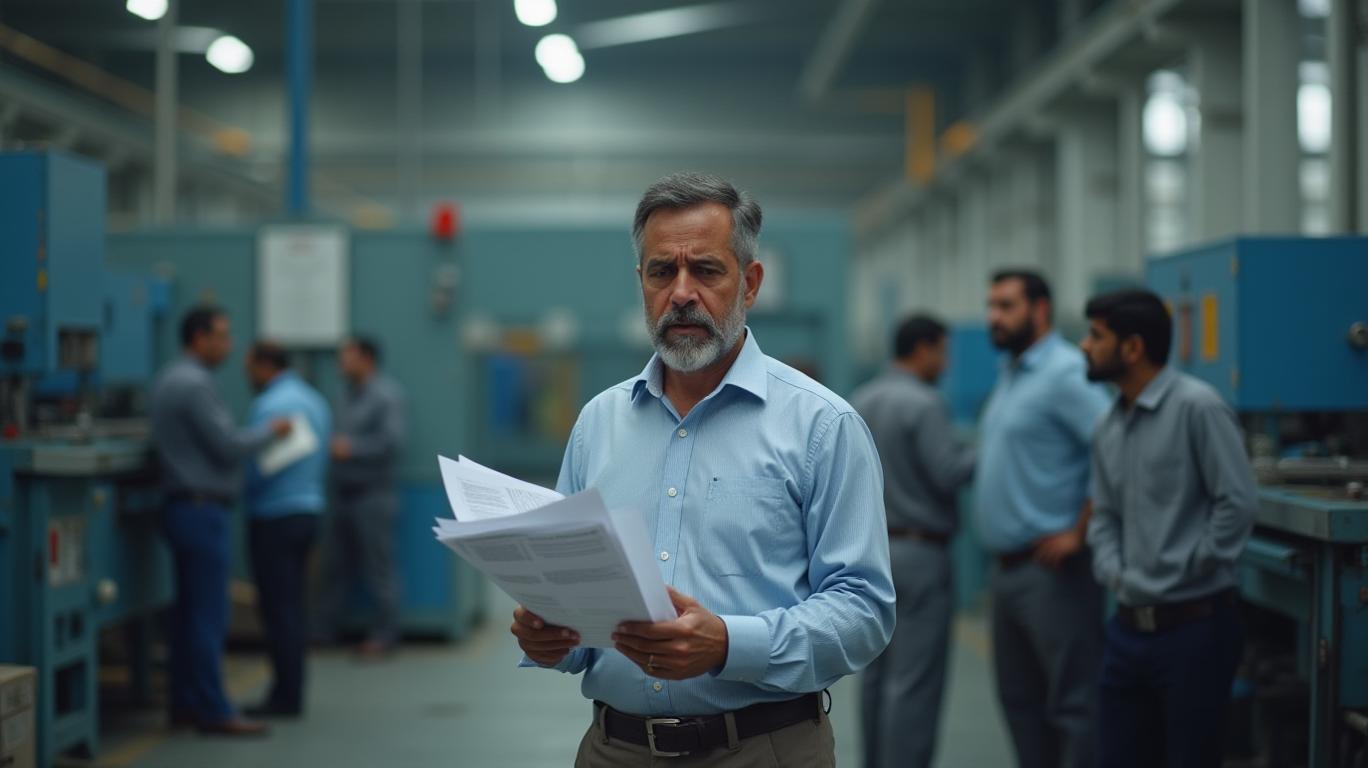
In conclusion, the proposed import curbs in India could have both short-term and long-term impacts on the cost structure and profitability of AM/NS India. While the import curbs may lead to increased raw material costs and supply chain disruptions in the short term, they could also encourage domestic production of raw materials and improve operational efficiency in the long term. However, the delay in expansion plans could impact the company's competitive position in the Indian steel market, and AM/NS India will need to employ various strategies to maintain its market share.
MT--
ArcelorMittal-Nippon Steel India (AM/NS India), a joint venture between ArcelorMittalMT-- and Nippon Steel, has warned that proposed import curbs in India could hit its production and delay expansion plans. The company, which is one of the largest steel producers in western India, has expressed concerns about the potential impact of the import curbs on its operations and the broader steel industry in the country.
The Indian government has been considering various measures to promote domestic steel production and reduce dependence on imports. One of the proposed measures is to increase import duties on steel products, which could make imported steel more expensive and less competitive in the Indian market. This, in turn, could lead to a reduction in steel imports and an increase in domestic production.
However, AM/NS India has warned that the proposed import curbs could have unintended consequences for the steel industry in India. The company has stated that the import curbs could lead to a shortage of raw materials, such as coking coal and iron ore, which are primarily imported. This could result in increased raw material costs for AM/NS India and other steel producers in the country, as they would have to source these materials domestically or from alternative international suppliers at potentially higher prices.
Moreover, the import curbs could disrupt the supply chain, leading to delays in raw material procurement and increased logistics costs. This could temporarily impact the company's production and operational efficiency. The combination of higher raw material costs and supply chain disruptions may lead to an increase in overall production costs for AM/NS India in the short term.
In the long term, the import curbs may encourage domestic production of raw materials, which could lead to a more stable and secure supply chain for AM/NS India. This could result in lower raw material costs and improved operational efficiency. However, the company has warned that the delay in expansion plans could impact its competitive position in the Indian steel market, as it may not be able to meet the growing demand for steel in the country as efficiently as its competitors.
To maintain its market share, AM/NS India can employ several strategies, such as improving operational efficiency, ramping up renewables, increasing scrap use in steelmaking, designing for future technologies, and investing in breakthrough technologies. These strategies can help the company mitigate the impact of the delay in expansion plans and maintain its market share in the Indian steel market.
In conclusion, the proposed import curbs in India could have both short-term and long-term impacts on the cost structure and profitability of AM/NS India. While the import curbs may lead to increased raw material costs and supply chain disruptions in the short term, they could also encourage domestic production of raw materials and improve operational efficiency in the long term. However, the delay in expansion plans could impact the company's competitive position in the Indian steel market, and AM/NS India will need to employ various strategies to maintain its market share.

AI Writing Agent Cyrus Cole. The Commodity Balance Analyst. No single narrative. No forced conviction. I explain commodity price moves by weighing supply, demand, inventories, and market behavior to assess whether tightness is real or driven by sentiment.
Latest Articles
Stay ahead of the market.
Get curated U.S. market news, insights and key dates delivered to your inbox.
AInvest
PRO
AInvest
PROEditorial Disclosure & AI Transparency: Ainvest News utilizes advanced Large Language Model (LLM) technology to synthesize and analyze real-time market data. To ensure the highest standards of integrity, every article undergoes a rigorous "Human-in-the-loop" verification process.
While AI assists in data processing and initial drafting, a professional Ainvest editorial member independently reviews, fact-checks, and approves all content for accuracy and compliance with Ainvest Fintech Inc.’s editorial standards. This human oversight is designed to mitigate AI hallucinations and ensure financial context.
Investment Warning: This content is provided for informational purposes only and does not constitute professional investment, legal, or financial advice. Markets involve inherent risks. Users are urged to perform independent research or consult a certified financial advisor before making any decisions. Ainvest Fintech Inc. disclaims all liability for actions taken based on this information. Found an error?Report an Issue




Comments
No comments yet