
Using Arbitrage and Supply Chain Dynamics to Predict Commodity Price Trends
 Aime Summary
In the world of commodities, price trends are often influenced by forces that go beyond simple supply and demand. Two powerful tools for anticipating these shifts are arbitrage and supply chain dynamics. By understanding how these concepts interact, investors can gain valuable insights into where commodity prices might head next—and how to position their portfolios accordingly.
What Are Arbitrage and Supply Chain Dynamics?
Arbitrage is the practice of exploiting price differences for the same asset in different markets. For example, if gold trades for $1,800 per ounce in London but $1,820 in New York, an arbitrageur might buy in London and sell in New York to profit from the $20 gap. While this opportunity often closes quickly, it highlights market inefficiencies that can signal future price movements.
Supply chain dynamics refer to how the production, transportation, and distribution of goods affect their availability and pricing. A disruption—like a factory shutdown, shipping delay, or geopolitical conflict—can create bottlenecks, driving up prices. Conversely, smooth operations and abundant supply tend to stabilize or lower prices.
How These Forces Shape Commodity Prices
Arbitrage and supply chain dynamics are deeply interconnected. For instance, if a commodity is cheaper in one region due to a local oversupply, arbitrageurs might buy it there and ship it to a region with higher prices. This activity can reduce the price gap and signal to investors that the market is adjusting. However, if supply chain constraints 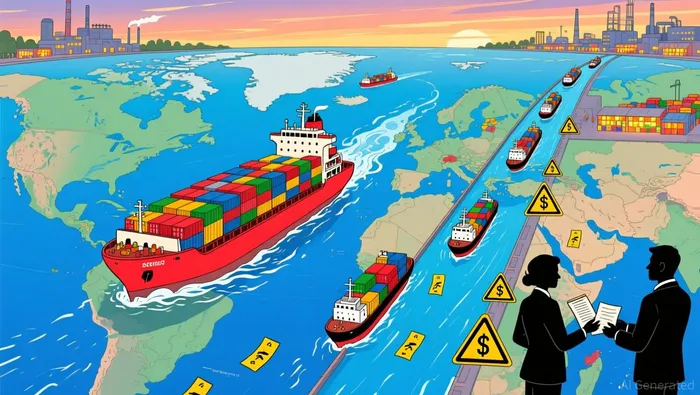 (e.g., a shortage of shipping containers) prevent arbitrage from functioning smoothly, price disparities may persist, creating opportunities for those who anticipate the trend.
Strategies for Investors
- Monitor Price Gaps: Look for consistent arbitrage opportunities between regions or markets. A widening gap might indicate a supply chain issue that could drive prices higher until the imbalance corrects.
- Analyze Supply Chain Bottlenecks: Track news about transportation costs, labor strikes, or geopolitical risks. For example, rising shipping costs often increase the price of imported goods, making commodities like copper or crude oil more expensive.
- Diversify Exposure: If a commodity is prone to supply chain disruptions (e.g., lithium for batteries), consider investing in companies with diversified sourcing or hedging strategies to mitigate risk.
Case Study: The 2021 Container Shipping Crisis
In 2021, global container shipping faced unprecedented delays due to port congestion and a shortage of ships. This created arbitrage opportunities for goods like soybeans and lumber. Investors who recognized the supply chain strain anticipated higher prices for these commodities and profited by investing in shipping companies or shorting firms reliant on timely deliveries. The crisis also highlighted how transportation costs can amplify commodity price volatility, offering a clear lesson in the power of combining arbitrage and supply chain analysis.
Risks and Considerations
While these strategies can be profitable, they carry risks. Arbitrage may fail if transaction costs eat into profits or if markets close the gap too slowly. Supply chain disruptions are often unpredictable, and geopolitical events (e.g., wars, trade bans) can create sudden shocks. To mitigate these risks, investors should: - Conduct thorough research on both macroeconomic trends and micro-level supply chain details. - Use stop-loss orders or diversification to limit potential losses. - Stay informed about regulatory changes that could impact arbitrage opportunities.
Key Takeaways
By combining arbitrage and supply chain analysis, investors can better predict commodity price trends. Price gaps between markets often reflect underlying supply chain issues, which can be leveraged for strategic investments. However, success requires vigilance, adaptability, and a clear understanding of the risks. Whether you're tracking shipping delays or arbitrage opportunities, these tools offer a roadmap for navigating the complex world of commodities with confidence.

Stay ahead of the market.
Get curated U.S. market news, insights and key dates delivered to your inbox.


AInvest
PRO
AInvest
PRO



Comments
No comments yet