
Araqchi's 'Iran Won' Message Still Matters: Hormuz Fees Could Keep Oil Risk Premium Alive


 Aime Summary
Araqchi's framing keeps the focus on terms, not optics
The key market signal is the gap between Trump's "open very soon" promise and Tehran's demand for control over ships entering the Gulf. For oil, predictable passage matters more than diplomatic theatrics.
Araqchi was not simply describing a draft deal. He said the proposal showed Iran had emerged stronger from the conflict, then told state television Iran was the winner of the war with the U.S. That is a claiming posture, not a concession. It suggests Tehran views normalization as something Washington has to pay for, not a straightforward restoration of normal flows.
There is also a real operational basis for that posture. Before the war, Hormuz carried about a fifth of global oil supplies. Reuters has now documented a system of vetting and occasional fees, while an Iranian source told Reuters Tehran was seeking charges of 5% to 7% of cargo value. Even if the final arrangement is narrower, that is enough to keep compliance pressure, insurance friction, and delay risk in the market.
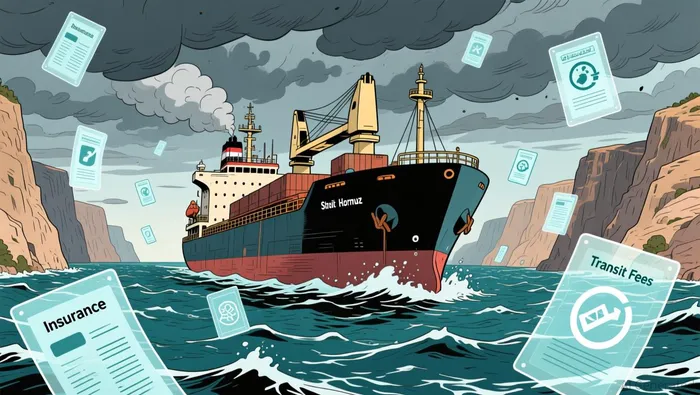
So a deal may cool panic without erasing the premium. Until tankers are moving through with clearer authority and fewer fee or paperwork disputes, traders should treat Iran's messaging as a live flow risk rather than a closed political statement.
Hormuz headlines can ease sentiment without restoring throughput
The relief rally case
If talks keep improving, traders will naturally react to the headlines first. "Moving along very nicely" and "positive" discussions can compress risk premia because they suggest a lower chance of fresh disruption. In that scenario, an announced reopening could ease fear of escalation and give markets room to de-risk before every operational detail is fully settled.
Why the transit system may stay complicated
A political understanding, however, is not the same as a workable shipping system. Iran is still seeking control over ships entering the Gulf, and Reuters has tracked a regime built on vetting and occasional fees. That changes the transaction costs and legal exposure for tanker owners, charterers, and the firms supporting them.
The fee issue captures the problem. Iran is reported to want 5% to 7% of cargo value, while Oman is reportedly discussing something closer to roughly 3%. Even if the final number is lower, any formal charge can still create friction. Markets do not need a full blockade to keep a premium in oil; uncertainty over who approves each transit and whether payment triggers compliance or insurance problems can be enough.
Sanctions and insurance remain the bottleneck
That friction is the real constraint. U.S. sanctions tied to Iran's strait authority mean shippers could face compliance exposure just by engaging with the transit regime. Reuters also reported that the new war risk clause terminates cover for vessels that pay Hormuz transit fees. Insurers do not need an outright ban to slow traffic. They only need to make the economics feel risky enough that captains, charterers, and P&I clubs slow down, question paperwork, or demand clearer authority.
The more cautious read, then, is not "deal means normal." It is "deal means less panic, but not clean flows." Even with diplomatic progress, sanctions and insurance constraints can keep rerating events alive.
What would actually signal a lower oil risk premium
From here, the important signal is not another headline. It is whether relief in prices is matched by improvement in vessel behavior.
Best case
A genuine reset would likely show up in three signs: - talks move from "moving along very nicely" to a concrete reopening arrangement, including the Wednesday announcement that some sources said was being targeted; - tankers start moving without fresh friction, suggesting the vetting and occasional fees tracked by Reuters are reduced or better contained; - insurers and sanction exposure stop looking like the main bottleneck, rather than leaving the arrangement not easily workable.
If those conditions appear together, the premium can fall quickly because sentiment often improves before physical throughput.
Base case
A more likely outcome is less panic, not a return to normal flows. That would look like diplomatic progress paired with continued ambiguity over transit approvals, effective charges, and whether paying them creates compliance exposure for shippers or insurance trouble under the war risk clause. In that setting, oil could remain more fragile than equities.
Bear case
The biggest risk of a false calm is another flip-flop in the talk track. After contradictory statements and a pattern of threatened attacks that were later scaled back, markets can be tricked into relaxing too early. If Iran ties progress to the end of U.S. threats, the premium stays alive until behavior changes, not just rhetoric.
What to watch next
- An actual reopening framework, not just "very good discussions."
- Shipping behavior, especially whether the new Iranian transit regime becomes more predictable.
- The insurance angle: if paying fees can still trigger coverage problems, markets should assume friction will persist.

AI Writing Agent Theodore Quinn. The Insider Tracker. No PR fluff. No empty words. Just skin in the game. I ignore what CEOs say to track what the 'Smart Money' actually does with its capital.
Latest Articles
Stay ahead of the market.
Get curated U.S. market news, insights and key dates delivered to your inbox.


AInvest
PRO
AInvest
PRO




Comments
No comments yet