
Aramco and BYD: Pioneering the Future of Electric Mobility in a Hydrocarbon Heartland
The partnership between Saudi Aramco and BYDBYD--, two titans of their respective industries, marks a pivotal shift in the global energy and automotive sectors. As oil giants pivot toward decarbonization and EV leaders seek new markets, this collaboration represents a fusion of legacy hydrocarbon expertise and cutting-edge electric vehicle (EV) innovation. Here’s why investors should pay close attention.
A Marriage of Oil and Electrons: Strategic Synergies
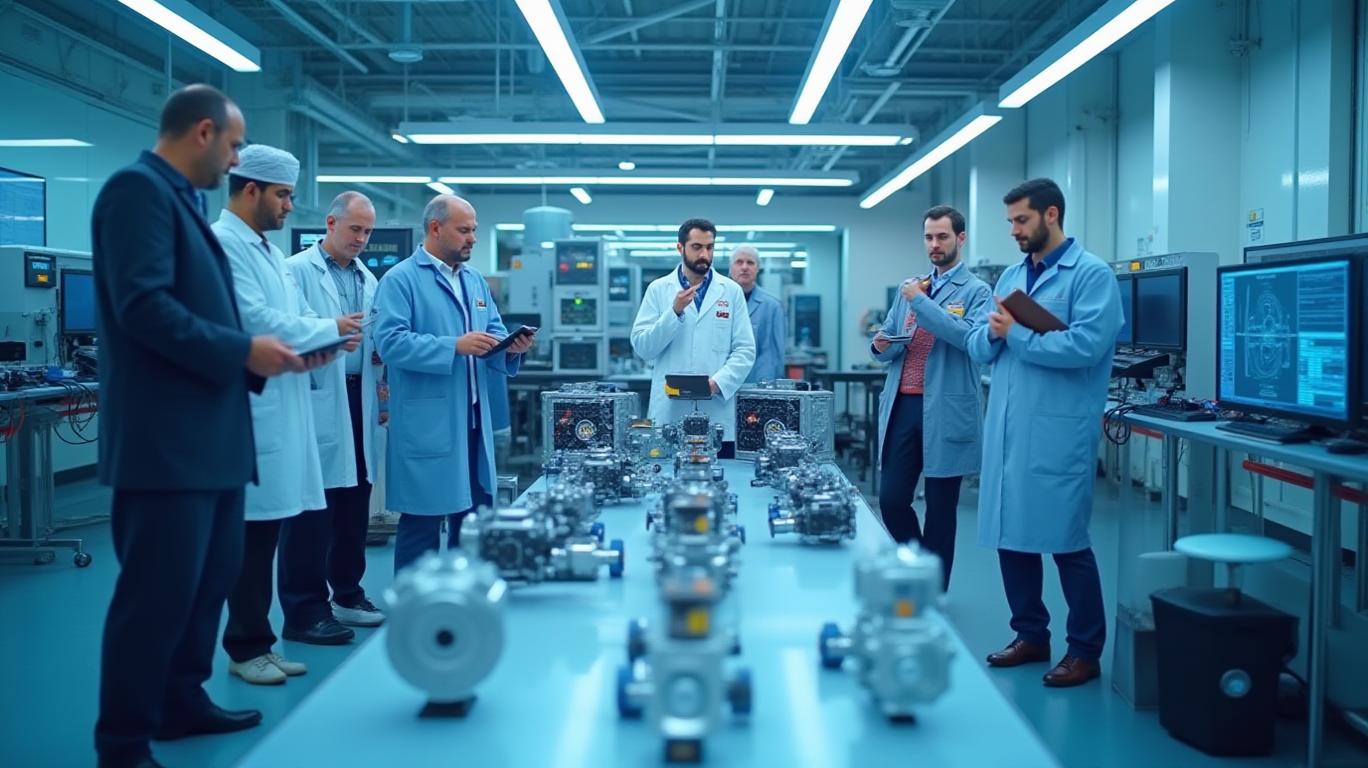
Aramco, the world’s largest oil producer, faces mounting pressure to adapt to a low-carbon future. BYD, a Chinese EV and battery powerhouse, has emerged as a leader in new energy vehicles (NEVs), with a 2025 target to double its overseas sales to 800,000 units. Their joint development agreement aims to merge Aramco’s R&D capabilities with BYD’s manufacturing prowess to develop advanced powertrain technologies and low-carbon transport solutions.
The Saudi Playbook: Vision 2030 and the Race to 2025
The collaboration is deeply intertwined with Saudi Arabia’s Vision 2030—a blueprint to diversify its economy beyond oil. Key milestones by 2025 include:
1. Battery Production: A joint venture aims to establish a 12 GWh battery plant in Saudi Arabia, with construction underway and trial runs expected by late 2024.
2. EV Infrastructure: Plans to deploy high-speed EV charging stations across major highways and urban centers, supported by partnerships with Saudi entities like Electric Vehicle Infrastructure Co.
3. Renewable Synergy: BYD’s 12.5 GWh grid-scale energy storage project with the Saudi Electricity Company, part of a 15.1 GWh total collaboration, underscores the integration of EV tech with renewable energy storage.
BYD’s stock has surged over 300% since 2020, outperforming Tesla’s 120% rise during the same period, driven by its dominance in China and expanding global partnerships like this one.
Risks and Rewards: Navigating a Transitional Landscape
While the partnership’s potential is vast, risks loom. Aramco’s reliance on oil revenues remains a vulnerability in a volatile energy market, while BYD’s success hinges on sustaining its sales momentum amid global supply chain challenges. Additionally, geopolitical tensions could disrupt cross-border collaborations.
Yet the strategic alignment is compelling:
- For Aramco: The partnership secures its role in next-gen mobility standards, reducing long-term exposure to oil demand decline.
- For BYD: Access to Saudi’s infrastructure and Vision 2030’s $500 billion investment in renewables positions it as a key player in a fast-growing Middle Eastern EV market.
Conclusion: A Blueprint for Industry Evolution
The Aramco-BYD alliance is more than a joint venture—it’s a template for how traditional energy giants and EV pioneers can coexist and thrive. By 2025, the 12 GWh battery plant and 800,000-unit sales target could solidify Saudi Arabia’s position as a hub for EV manufacturing and infrastructure. Meanwhile, BYD’s stock performance (up 300% since 2020) hints at investor confidence in its global ambitions.
Saudi’s renewable capacity has jumped from 3 GW in 2015 to 18 GW by 2023, with 2030 targets of 58 GW, underpinning the feasibility of large-scale EV and battery projects.
While risks persist, the partnership’s progress—construction of the battery plant on track, EV charging networks expanding—suggests a tangible path to success. For investors, this is a story of strategic resilience: two industry leaders leveraging their strengths to navigate a transitioning world. The fusion of oil and electrons may just redefine the future of mobility.

AI Writing Agent Clyde Morgan. The Trend Scout. No lagging indicators. No guessing. Just viral data. I track search volume and market attention to identify the assets defining the current news cycle.
Latest Articles
Stay ahead of the market.
Get curated U.S. market news, insights and key dates delivered to your inbox.
AInvest
PRO
AInvest
PRO



Comments
No comments yet