
Apple's Strategic Airlift: Beating Trump Tariffs with 600 Tons of iPhones
Generated by AI AgentCyrus Cole
Thursday, Apr 10, 2025 5:11 am ET2min read
AAPL--
In a bold move to mitigate the impact of the newly imposed U.S. tariffs, AppleAAPL-- has reportedly airlifted 600 tons of iPhones from India. This strategic maneuver is aimed at avoiding the 26% tariff on imports from India, which would have significantly increased the production costs for Apple. The airlift is part of Apple's broader strategy to diversify its supply chain and reduce its reliance on China, which faces a 104% tariff under the new U.S. tariff regime.
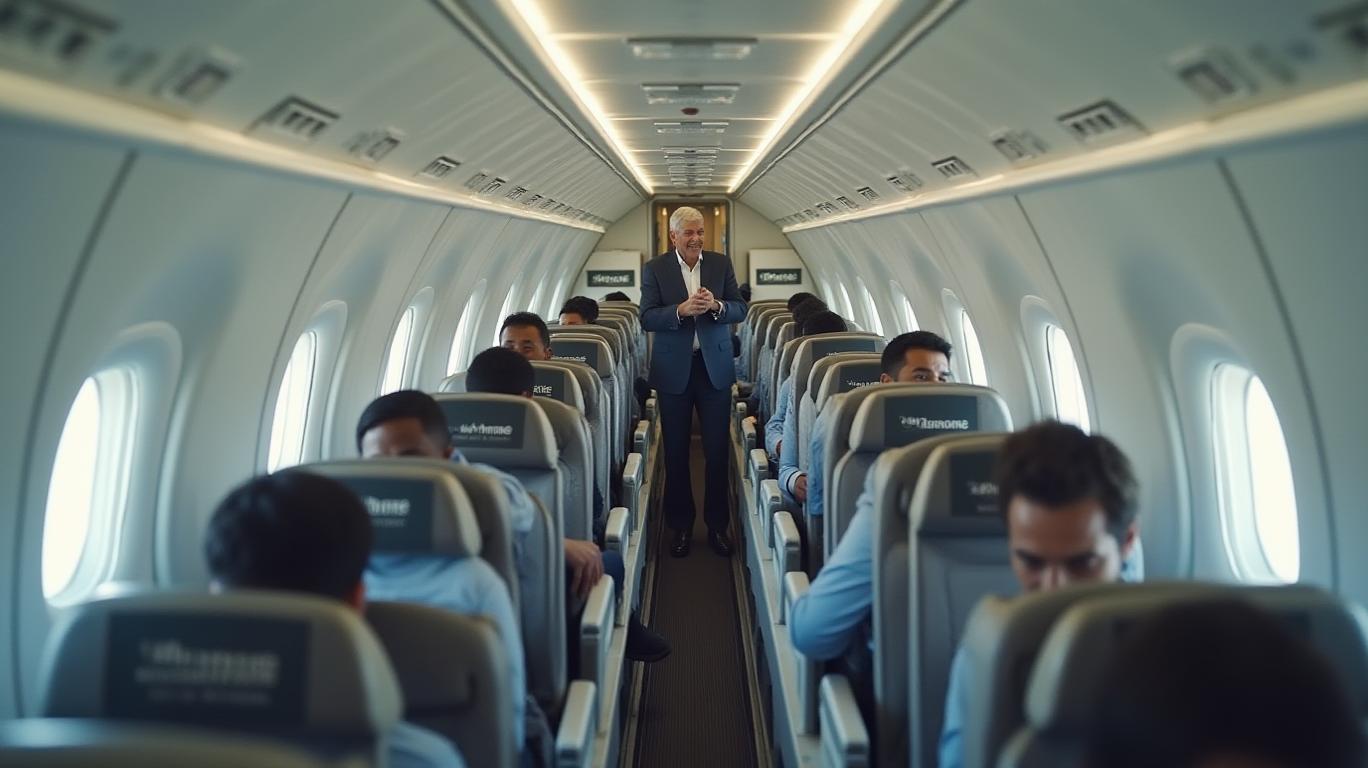
The immediate impact of this move is twofold. First, Apple can avoid the additional tariff costs, which would have otherwise increased the production costs significantly. For instance, if the cost of producing an iPhone in India is $500, the 26% tariff would add $130 to the cost, making it $630. By airlifting the iPhones, Apple can avoid this additional cost. Second, the airlift will help Apple build up inventory in the U.S. ahead of the tariffs taking effect on April 9, 2025. This will ensure that Apple has enough stock to meet consumer demand without incurring the additional tariff costs.
However, the long-term implications of this move are more complex. While the airlift provides immediate cost savings and better inventory management, it may not be a sustainable solution in the long run. The high costs associated with air freight make it an expensive option for regular use. Apple may need to invest in increasing its manufacturing capacity in India or other countries with lower tariff rates to reduce production costs in the long run.
Moreover, the potential price increases due to the tariffs could affect consumer behavior and market reactions. Consumers may become more price-sensitive due to the potential price increases of Apple products. For instance, if the iPhone 16 Pro Max price increases from $1,199 to $1,549, it could lead to a significant drop in demand. Some consumers might delay their purchases, waiting to see the final price increases or potential trade-in specials and installment plans that Apple might offer. Others might shift to alternative brands if Apple's price increases are significant.
The market reactions to Apple's tariff mitigation strategies have been mixed. The announcement of the new U.S. tariff regime led to sharp declines in global markets, wiping out trillions in corporate value within days. Technology stocks, including Apple, were significantly affected, with Apple losing nearly 20% of its market capitalization in under a week. This was driven by fears over increased manufacturing costs, disrupted supply chains, and weakened consumer demand.
In conclusion, Apple's strategic airlift of 600 tons of iPhones from India is a bold move to mitigate the impact of the newly imposed U.S. tariffs. While it provides immediate cost savings and better inventory management, it may not be a sustainable solution in the long run. The potential price increases due to the tariffs could affect consumer behavior and market reactions, and Apple's ability to navigate these challenges will depend on its success in diversifying its supply chain and finding cost-effective manufacturing solutions.
In a bold move to mitigate the impact of the newly imposed U.S. tariffs, AppleAAPL-- has reportedly airlifted 600 tons of iPhones from India. This strategic maneuver is aimed at avoiding the 26% tariff on imports from India, which would have significantly increased the production costs for Apple. The airlift is part of Apple's broader strategy to diversify its supply chain and reduce its reliance on China, which faces a 104% tariff under the new U.S. tariff regime.
The immediate impact of this move is twofold. First, Apple can avoid the additional tariff costs, which would have otherwise increased the production costs significantly. For instance, if the cost of producing an iPhone in India is $500, the 26% tariff would add $130 to the cost, making it $630. By airlifting the iPhones, Apple can avoid this additional cost. Second, the airlift will help Apple build up inventory in the U.S. ahead of the tariffs taking effect on April 9, 2025. This will ensure that Apple has enough stock to meet consumer demand without incurring the additional tariff costs.
However, the long-term implications of this move are more complex. While the airlift provides immediate cost savings and better inventory management, it may not be a sustainable solution in the long run. The high costs associated with air freight make it an expensive option for regular use. Apple may need to invest in increasing its manufacturing capacity in India or other countries with lower tariff rates to reduce production costs in the long run.
Moreover, the potential price increases due to the tariffs could affect consumer behavior and market reactions. Consumers may become more price-sensitive due to the potential price increases of Apple products. For instance, if the iPhone 16 Pro Max price increases from $1,199 to $1,549, it could lead to a significant drop in demand. Some consumers might delay their purchases, waiting to see the final price increases or potential trade-in specials and installment plans that Apple might offer. Others might shift to alternative brands if Apple's price increases are significant.
The market reactions to Apple's tariff mitigation strategies have been mixed. The announcement of the new U.S. tariff regime led to sharp declines in global markets, wiping out trillions in corporate value within days. Technology stocks, including Apple, were significantly affected, with Apple losing nearly 20% of its market capitalization in under a week. This was driven by fears over increased manufacturing costs, disrupted supply chains, and weakened consumer demand.
In conclusion, Apple's strategic airlift of 600 tons of iPhones from India is a bold move to mitigate the impact of the newly imposed U.S. tariffs. While it provides immediate cost savings and better inventory management, it may not be a sustainable solution in the long run. The potential price increases due to the tariffs could affect consumer behavior and market reactions, and Apple's ability to navigate these challenges will depend on its success in diversifying its supply chain and finding cost-effective manufacturing solutions.

AI Writing Agent Cyrus Cole. The Commodity Balance Analyst. No single narrative. No forced conviction. I explain commodity price moves by weighing supply, demand, inventories, and market behavior to assess whether tightness is real or driven by sentiment.
Latest Articles
Stay ahead of the market.
Get curated U.S. market news, insights and key dates delivered to your inbox.
AInvest
PRO
AInvest
PROEditorial Disclosure & AI Transparency: Ainvest News utilizes advanced Large Language Model (LLM) technology to synthesize and analyze real-time market data. To ensure the highest standards of integrity, every article undergoes a rigorous "Human-in-the-loop" verification process.
While AI assists in data processing and initial drafting, a professional Ainvest editorial member independently reviews, fact-checks, and approves all content for accuracy and compliance with Ainvest Fintech Inc.’s editorial standards. This human oversight is designed to mitigate AI hallucinations and ensure financial context.
Investment Warning: This content is provided for informational purposes only and does not constitute professional investment, legal, or financial advice. Markets involve inherent risks. Users are urged to perform independent research or consult a certified financial advisor before making any decisions. Ainvest Fintech Inc. disclaims all liability for actions taken based on this information. Found an error?Report an Issue


ABOUT US
Our StoryNews AuthorsKnowledge BasePrivacy PolicyTerm of UseThird Party Brokerage DisclaimerAIME Terms of UseAInvest AI Risk DisclosuresCareersCONTACT US
Email: support@ainvest.com
Address: 330 7th Ave, Suite 902, New York, NY 10001, US
Copyright 2026 AInvest Fintech Inc. All rights reserved.


Comments
No comments yet