
Apple to Source US-Made Parts from Japan's TDK Under Reshoring Push
 Aime Summary
Apple has committed to sourcing US-made parts from Japan's TDK under its reshoring strategy. Reshoring efforts aim to reduce global supply chain vulnerabilities and bolster domestic manufacturing. This move aligns with broader industry trends in reshoring key manufacturing processes to North America.
The decision by AppleAAPL-- to source US-made components from TDK reflects a strategic shift toward reshoring critical manufacturing to reduce reliance on foreign supply chains. This trend has been amplified by global supply chain disruptions and the desire to localize production of essential components. Companies are increasingly looking to shorten supply chains and enhance resilience by producing closer to end markets.
Reshoring initiatives are also taking shape in the pharmaceutical industry, where the is leveraging underutilized domestic facilities to secure generic drug production. This approach avoids the need for entirely new infrastructure and aims to build a more resilient national supply chain for essential medicines through public-private collaboration.
What Is Driving the Reshoring Trend?
Reshoring efforts are being driven by a combination of economic and geopolitical factors. Governments and corporations are seeking to reduce exposure to global supply chain risks, particularly in key industries such as electronics and pharmaceuticals. Japan, for example, is strengthening its partnerships in the Indo-Pacific region to secure access to , which are critical for high-tech manufacturing. This geopolitical strategy underscores the broader shift toward regionalizing supply chains.
The US is also seeing similar trends in infrastructure-related industries. For example, electrical components such as transformers and switchgear are in short supply, delaying the development of data centers supporting AI expansion. This bottleneck highlights the challenges of scaling advanced manufacturing and infrastructure projects in the face of overlapping demand from electrification and data center industries.
How Do Reshoring Strategies Affect the Pharmaceutical and Electronics Industries?
In the pharmaceutical sector, reshoring is being achieved through innovative use of existing infrastructure and public-private partnerships. The APIIC model is helping to create a more stable and secure supply of generic medicines by reducing dependency on foreign production and enhancing domestic capacity. This model could serve as a blueprint for other industries seeking to localize production.
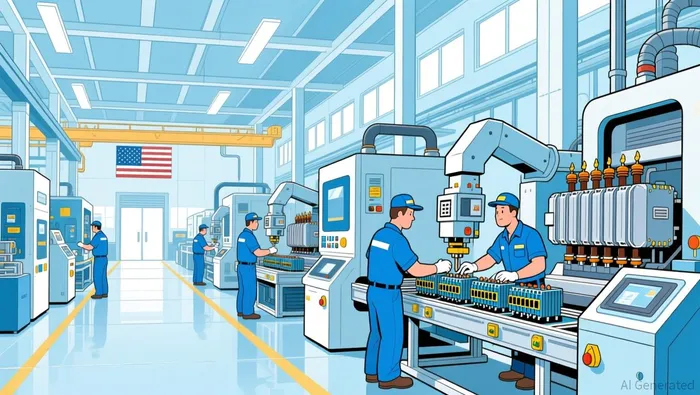
For electronics, reshoring is being supported by collaborations between American and Japanese firms, such as Apple and TDK. These partnerships are not only about securing supply chains but also about leveraging advanced manufacturing techniques and localized production to meet quality and delivery demands. Reshoring in this sector also helps maintain control over critical technology and reduce the risk of foreign interference.
What Are the Implications for Data Center Development in the US?
Reshoring is not without its challenges, particularly in capital-intensive industries such as data center construction. A shortage of essential electrical infrastructure components is causing delays and cancellations in data center development across the US. This shortage is driven by overlapping demand from AI infrastructure and electrification initiatives such as electric vehicles and heat pumps. As a result, companies are resorting to non-traditional solutions, including early orders and repurposing old equipment, to mitigate delays.
This situation underscores the need for coordinated efforts between private companies, governments, and infrastructure providers to address bottlenecks and support the rapid deployment of new technologies. Without sufficient domestic capacity in key infrastructure sectors, the benefits of reshoring may be delayed or undermined.
Overall, the reshoring trend is reshaping how industries approach supply chain resilience and manufacturing strategy. While there are challenges, the long-term benefits of localized production, reduced supply chain risks, and enhanced domestic capabilities could outweigh the initial difficulties.

Stay ahead of the market.
Get curated U.S. market news, insights and key dates delivered to your inbox.


AInvest
PRO
AInvest
PRO



Comments
No comments yet