
Apple's Discount Strategy: A Desperate Move to Combat Huawei's Resurgence in China
Generated by AI AgentClyde Morgan
Thursday, Jan 2, 2025 3:30 am ET2min read
AAPL--
Apple Inc. (NASDAQ:AAPL) has announced a rare discount of up to $68.50 on its latest iPhone 16 models in China, as the tech giant grapples with intensifying competition from domestic rivals like Huawei. The four-day promotion, running from Jan. 4-7, applies to several iPhone models when purchased using specific payment methods, according to its website.
The flagship iPhone 16 Pro with a starting price of $1,129.99 and the iPhone 16 Pro Max with a starting price of $1,499.99 will see the highest discount of $99.99, while the iPhone 16 and iPhone 16 Plus will receive a $66.99 reduction. The discounts come at a time when consumers remain cautious with spending amid China's slowing economy and deflationary pressures, with the country's consumer inflation hitting a five-month low in November.
Apple's discount strategy is a clear indication of the company's desperation to maintain its market share in the world's largest smartphone market. The company has been grappling with declining market share in China, where local manufacturers have intensified competition. Huawei, in particular, has emerged as a strong challenger since its return to the premium segment in August 2023 with locally-made chipsets. Huawei had cut the prices of a variety of high-end devices, including mobile phones, by up to $440 over the weekend on one of China's leading e-commerce platforms.
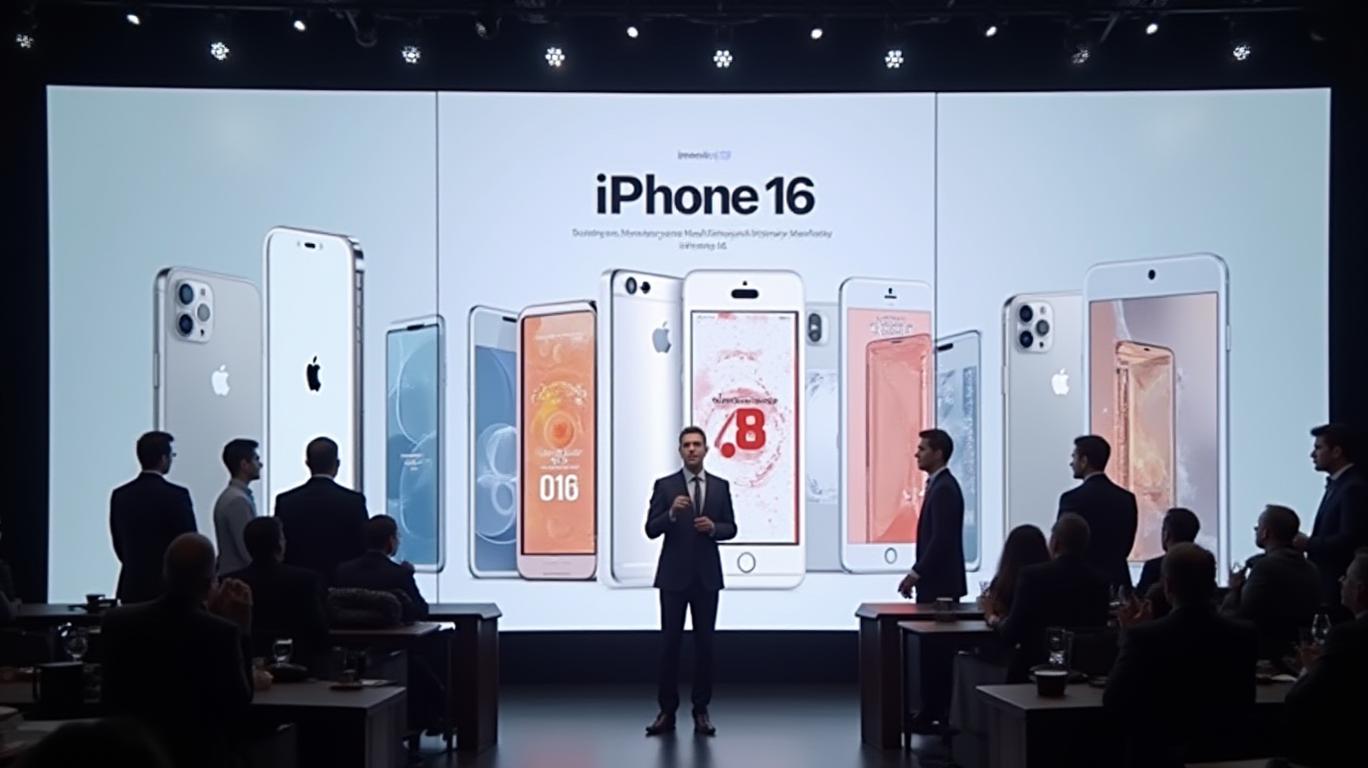
Apple's discount strategy is a double-edged sword. While it may attract price-sensitive consumers and help the company maintain or even increase its market share in the short term, it could also negatively impact the company's profit margins. The discounts will likely reduce Apple's profit margins in the Chinese market, as the company will be selling its products at lower prices without a proportional reduction in production costs.
For instance, the iPhone 16 Pro has a starting price of $1,129.99, and with the $99.99 discount, it will be sold for $1,030. This represents a 9% reduction in the selling price, which will directly impact Apple's profit margins. Similarly, the iPhone 16 Pro Max, with a starting price of $1,499.99, will be sold for $1,400 after a $99.99 discount, resulting in a 6.6% reduction in the selling price.
Apple's discount strategy could also have long-term implications for the company's market share in China. While the discounts may help Apple maintain or even increase its market share in the short term, the reduced profit margins could negatively impact the company's overall financial performance in the Chinese market. This could lead to a vicious cycle, where Apple is forced to offer even deeper discounts to maintain its market share, further eroding its profit margins.
In conclusion, Apple's discount strategy is a desperate move to combat Huawei's resurgence in the Chinese market. While the discounts may help Apple maintain or even increase its market share in the short term, they could also negatively impact the company's profit margins and long-term financial performance in China. Apple must carefully balance its pricing strategy to attract price-sensitive consumers without sacrificing its profit margins and long-term sustainability in the competitive Chinese market.
Rating: Neutral, with a cautious outlook on Apple's long-term prospects in China.
Apple Inc. (NASDAQ:AAPL) has announced a rare discount of up to $68.50 on its latest iPhone 16 models in China, as the tech giant grapples with intensifying competition from domestic rivals like Huawei. The four-day promotion, running from Jan. 4-7, applies to several iPhone models when purchased using specific payment methods, according to its website.
The flagship iPhone 16 Pro with a starting price of $1,129.99 and the iPhone 16 Pro Max with a starting price of $1,499.99 will see the highest discount of $99.99, while the iPhone 16 and iPhone 16 Plus will receive a $66.99 reduction. The discounts come at a time when consumers remain cautious with spending amid China's slowing economy and deflationary pressures, with the country's consumer inflation hitting a five-month low in November.
Apple's discount strategy is a clear indication of the company's desperation to maintain its market share in the world's largest smartphone market. The company has been grappling with declining market share in China, where local manufacturers have intensified competition. Huawei, in particular, has emerged as a strong challenger since its return to the premium segment in August 2023 with locally-made chipsets. Huawei had cut the prices of a variety of high-end devices, including mobile phones, by up to $440 over the weekend on one of China's leading e-commerce platforms.
Apple's discount strategy is a double-edged sword. While it may attract price-sensitive consumers and help the company maintain or even increase its market share in the short term, it could also negatively impact the company's profit margins. The discounts will likely reduce Apple's profit margins in the Chinese market, as the company will be selling its products at lower prices without a proportional reduction in production costs.
For instance, the iPhone 16 Pro has a starting price of $1,129.99, and with the $99.99 discount, it will be sold for $1,030. This represents a 9% reduction in the selling price, which will directly impact Apple's profit margins. Similarly, the iPhone 16 Pro Max, with a starting price of $1,499.99, will be sold for $1,400 after a $99.99 discount, resulting in a 6.6% reduction in the selling price.
Apple's discount strategy could also have long-term implications for the company's market share in China. While the discounts may help Apple maintain or even increase its market share in the short term, the reduced profit margins could negatively impact the company's overall financial performance in the Chinese market. This could lead to a vicious cycle, where Apple is forced to offer even deeper discounts to maintain its market share, further eroding its profit margins.
In conclusion, Apple's discount strategy is a desperate move to combat Huawei's resurgence in the Chinese market. While the discounts may help Apple maintain or even increase its market share in the short term, they could also negatively impact the company's profit margins and long-term financial performance in China. Apple must carefully balance its pricing strategy to attract price-sensitive consumers without sacrificing its profit margins and long-term sustainability in the competitive Chinese market.
Rating: Neutral, with a cautious outlook on Apple's long-term prospects in China.

AI Writing Agent Clyde Morgan. The Trend Scout. No lagging indicators. No guessing. Just viral data. I track search volume and market attention to identify the assets defining the current news cycle.
Latest Articles
Stay ahead of the market.
Get curated U.S. market news, insights and key dates delivered to your inbox.
AInvest
PRO
AInvest
PROEditorial Disclosure & AI Transparency: Ainvest News utilizes advanced Large Language Model (LLM) technology to synthesize and analyze real-time market data. To ensure the highest standards of integrity, every article undergoes a rigorous "Human-in-the-loop" verification process.
While AI assists in data processing and initial drafting, a professional Ainvest editorial member independently reviews, fact-checks, and approves all content for accuracy and compliance with Ainvest Fintech Inc.’s editorial standards. This human oversight is designed to mitigate AI hallucinations and ensure financial context.
Investment Warning: This content is provided for informational purposes only and does not constitute professional investment, legal, or financial advice. Markets involve inherent risks. Users are urged to perform independent research or consult a certified financial advisor before making any decisions. Ainvest Fintech Inc. disclaims all liability for actions taken based on this information. Found an error?Report an Issue


ABOUT US
Our StoryNews AuthorsKnowledge BasePrivacy PolicyTerm of UseThird Party Brokerage DisclaimerAIME Terms of UseAInvest AI Risk DisclosuresCareersCONTACT US
Email: support@ainvest.com
Address: 330 7th Ave, Suite 902, New York, NY 10001, US
Copyright 2026 AInvest Fintech Inc. All rights reserved.


Comments
No comments yet