
Apple's Rocky Start in 2025: Navigating iPhone Slump and AI Ambitions Amid Market Challenges
Recent market trends indicate a slowdown for Apple Inc. (AAPL), as its stock has experienced a downward trajectory over the last two weeks, collectively losing 0.47%. Over the past week, Apple shares have declined by 2.4%, contributing to a notable 11.04% drop since the beginning of the year. As a result, Apple's market capitalization stands at $3.3501 trillion. This performance is stark against broader market gains, marking the company's most challenging start since 2008.
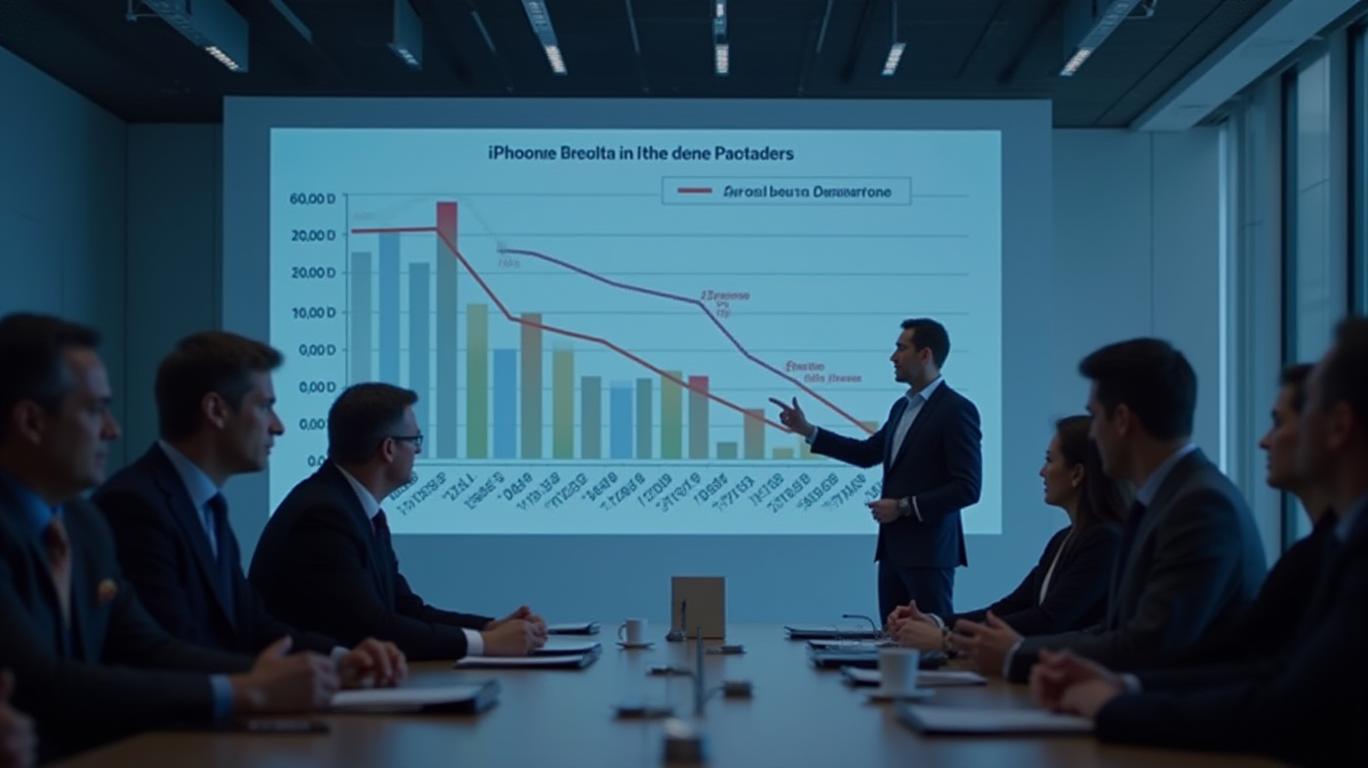
As Apple prepares to announce its first-quarter earnings for fiscal 2025 on January 30, the tech giant faces significant challenges, particularly regarding iPhone sales. Despite a projected 3% revenue increase to $124 billion and a 7.8% rise in earnings per share to $2.35, these expectations remain below previous growth benchmarks. Concerns are amplified by the iPhone 16 series’ tepid reception in the Chinese market, where sales reportedly fell by 18.2% in the December quarter, igniting a flurry of analyst downgrades.
Despite these hurdles, some analysts remain optimistic about Apple's long-term prospects, driven by the company's robust expansion in service revenues, which constitute about 20% of total income. Additionally, the company's enduring resilience is supported by a loyal user base that continues to drive recurring revenue streams, even as iPhone sales soften.
On the technology front, Apple is making strides in artificial intelligence, with the anticipated integration of generative AI models into its ecosystem. Initial features under the Apple Intelligence banner debuted in late October, aiming to enhance user experience and operational efficiency. These developments, while promising as potential catalysts for new product enhancements, face scrutiny regarding their capacity to boost revenue significantly.
In a strategic move to bolster its AI capabilities, Apple has appointed Kim Vorrath to lead enhancements in AI and Siri, a reflection of its aim to reclaim leadership in the AI arena. Despite trailing competitors like OpenAI and Google's Alphabet, this leadership transition signals Apple's commitment to refining its AI product offerings and potentially revitalizing its appeal in consumer technology.
In the investing landscape, skepticism remains as Apple's stock faces pressure from increasing short interest. Investors seem cautious about its upcoming financial performance and broader market positioning, influenced by reports of diminishing iPhone demand and delayed AI advancements. Nevertheless, Apple's stock is buoyed by strong service growth and its long-standing position as an industry leader.
Despite anticipated short-term volatility, many analysts maintain a bullish outlook, with a substantial portion recommending buying Apple's stock amidst its current dip, foreseeing recovery potential based on sustained service strength and the anticipated consumer upgrade cycle. As Apple navigates these challenges, its strategy will likely focus on innovation and market diversification to bolster investor confidence.

Market Watch column provides a thorough analysis of stock market fluctuations and expert ratings.
Latest Articles
Stay ahead of the market.
Get curated U.S. market news, insights and key dates delivered to your inbox.




Comments
No comments yet