
Apple to Launch Three Revolutionary iPhone Models in Three Years
 Aime Summary
Apple Inc. is set to embark on its most substantial iPhone redesign since the product’s inception, with the introduction of three entirely new models across three consecutive years. The initiative is part of a broader product strategy aimed at reinforcing the iPhone’s position at the heart of the company’s ecosystem while addressing criticism that it has lagged in innovation and diversity compared to rivals in artificial intelligence and next-generation hardware.
The transformation began in late 2024 with the launch of the iPhone Air, alongside redesigned iPhone 17 Pro models. The iPhone Air, a compact and lightweight device, was positioned as a testbed for emerging technologies, including advanced chipsets and materials. The model is expected to shift from the 3-nanometer to a more efficient 2-nanometer chip in its next iteration, a move designed to enhance battery performance without overhauling the device’s physical design.
In the following year, AppleAAPL-- is planning to unveil its first foldable iPhone, a device that reflects the company’s growing interest in flexible display technology and multi-screen usability. The foldable will serve as a bridge between the iPhone Air and a more advanced, high-end model expected in 2027. That model is rumored to include a curved glass display and an under-display camera, offering a seamless front-facing experience while integrating hardware advancements that reflect Apple’s R&D efforts.
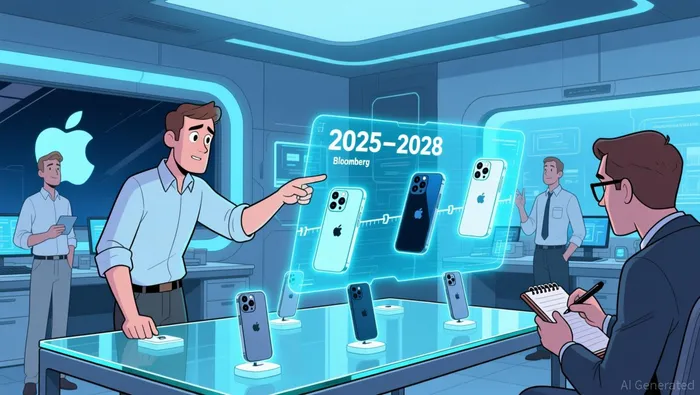
The company is also overhauling its release schedule, moving away from the annual fall launch that has defined iPhone cycles for over a decade. Beginning in 2026, Apple plans to introduce its premium models—such as the iPhone 18 Pro lineup and the foldable—in the fall, followed six months later by standard models like the iPhone 18 and an “e” variant. The strategy aims to spread out product introductions and reduce operational strain on engineering, marketing, and supply-chain teams.
According to internal planning, Apple will release between five and six iPhone models annually under the new schedule. This approach is expected to distribute revenue more evenly throughout the year, reduce product overlap, and offer Apple multiple opportunities to respond to competitive product launches.
The iPhone Air’s role within the broader strategy appears to be more about technological experimentation than mass-market adoption. , a figure consistent with the performance of the iPhone 16 Plus. While the Air is marketed as a distinct offering, it is primarily seen as a stepping stone toward Apple’s foldable phone, sharing design elements and internal components that will eventually trickle down to the next-generation foldable.
Apple’s shift in hardware strategy is mirrored by changes in its software release cycle. Spring software updates are becoming increasingly significant, with the company planning to roll out major feature updates during these periods. This includes enhancements to Siri, , and broader integration with Apple’s growing smart home platform.
The new product roadmap underscores Apple’s commitment to the iPhone as its core product, even as it expands into adjacent categories such as foldables, smart home devices, and wearables. The company’s broader ecosystem approach is designed to create a continuous flow of innovation and revenue, reducing the pressure of annual fall releases while staying ahead of market competition.

Stay ahead of the market.
Get curated U.S. market news, insights and key dates delivered to your inbox.




Comments
No comments yet