
Apple's Earnings: iPhone Surge Powers Record Holiday Outlook Amid Global Headwinds



Apple Inc. delivered a fiscal fourth-quarter performance that underscored the enduring strength of its hardware empire, even as geopolitical tensions and regional slumps tested its resilience.
With earnings per share of $1.85 surpassing the $1.77 consensus estimate and revenue climbing 8% to $102.47 billion—edging past the $102.24 billion forecast—the Cupertino giant signaled robust momentum heading into the holidays. Shares jumped more than 4% in after-hours trading, reflecting investor relief that the iPhone remains a powerhouse capable of driving double-digit growth.
The results, released Thursday, arrived against a backdrop of trade tariffs, competitive pressures in China, and delayed AI rollouts. Yet, CEO Tim Cook exuded confidence, pointing to "off the chart" demand for the new iPhone 17 lineup as the linchpin for what he called the company's best-ever December quarter. This optimism isn't mere bluster; it's backed by early sales data and supply constraints that hint at pent-up consumer enthusiasm worldwide.
Earnings Highlights: Beating Expectations Across the Board

Apple's September-quarter numbers painted a picture of balanced growth, with most segments outperforming analyst projections despite a slight miss on iPhone sales. Total revenue rose to $102.47 billion, fueled by a 6% increase in iPhone revenue to $49.03 billion—though that fell short of the $50.19 billion expected, largely due to just over a week of iPhone 17 availability in the period. The Mac division shone brightly, with sales up 13% to $8.73 billion, exceeding the $8.59 billion estimate, thanks to refreshed MacBook Air models that dropped to a $999 starting price in March.
iPad revenue held steady at $6.95 billion, a flat performance amid no new releases in the quarter, though an upgraded iPad Pro with the M5 chip debuted in October. The "Other Products" category, encompassing AppleAAPL-- Watch, AirPods, and Vision Pro, dipped marginally to $9.01 billion but still beat the $8.49 billion forecast. Services, the high-margin recurring revenue jewel in Apple's crown, surged 15% to $28.75 billion, topping the $28.17 billion consensus and highlighting accelerating growth across subscriptions like iCloud, Apple Music, App Store fees, and AppleCare.
Net income soared to $27.46 billion, a sharp rebound from the $14.29 billion in the prior year, which had been dragged down by a one-time tax charge. For the full fiscal 2025, Apple notched $416 billion in revenue, a 6% year-over-year gain, cementing its status as a tech behemoth with diversified streams buffering hardware volatility.
Product Performance: iPhone Leads, Services Accelerate
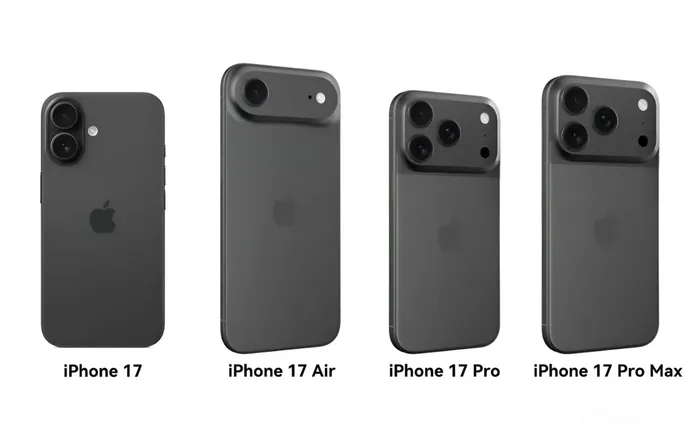
At the heart of Apple's story is the iPhone 17 family, launched in September with updated designs and a sleek ultrathin model dubbed the iPhone Air. Early indicators are promising: Cook noted supply constraints on several models, including holdovers from the iPhone 16 series, suggesting demand outstripped production. Buyers gravitated toward premium Pro variants and the pricier iPhone Air, lifting average selling prices and setting the stage for a blockbuster holiday push.
The Mac's resurgence, meanwhile, owes much to strategic pricing and timely updates, including the MacBook Air refresh and a new entry-level MacBook Pro. This segment's 13% growth contrasts with the wearables division's near-flat performance, where sales edged down less than 1% to $9.01 billion. Once a star performer peaking at nearly $15 billion in holiday revenue back in 2021, wearables have cooled, with newer entries like the Vision Pro headset struggling for mainstream adoption despite a recent chip upgrade.
Services emerged as the standout, with Cook describing it as a "run of the table" success. Encompassing everything from digital content to payment fees and Google's lucrative search licensing deal—recently upheld in court against regulatory challenges—this unit's 15% expansion underscores its role as a profit engine. CFO Kevan Parekh affirmed that similar growth is anticipated in the current quarter, even as antitrust scrutiny looms over App Store policies.
Guidance and Outlook: A Holiday Boom on the Horizon
Looking ahead, Apple's forecast electrified investors: total revenue growth of 10% to 12% for the December quarter, implying around $137.97 billion at the midpoint—well above the $132.31 billion analyst consensus. iPhone sales are projected to swell by double digits, propelling the period to record heights. "We expect that would make the December quarter the best ever in the history of the company," Cook told CNBC's Steve Kovach, citing surging store traffic and global enthusiasm.
This bullish stance stems from the iPhone 17's warm reception, with Cook highlighting sellouts in retail channels and a focus on consumer feedback. The guidance also factors in broader portfolio strength, including anticipated iPad momentum from recent launches and sustained Mac demand. For fiscal watchers, Parekh's projection of operating expenses between $18.1 billion and $18.5 billion, alongside gross margins of 47% to 48%, signals disciplined cost management amid external pressures.
Challenges in China: A Turnaround in Sight?
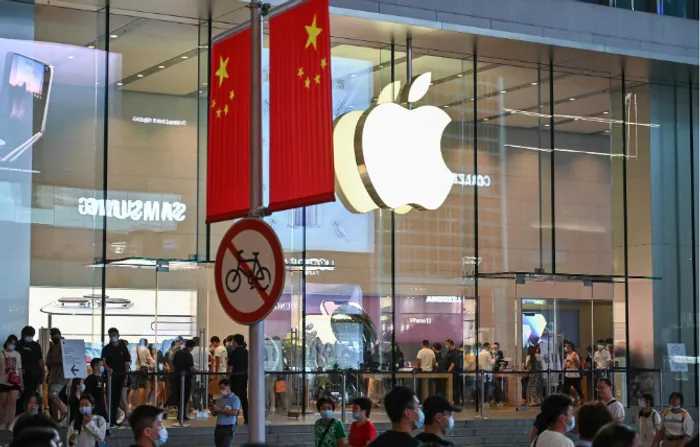
Not all regions mirrored this vigor.
Greater China sales, including Hong Kong and Taiwan, slipped 4% to $14.5 billion, missing the $16.4 billion projection and underscoring intensifying competition from local rivals like Huawei. Regulatory hurdles have delayed AI feature rollouts in the market, compounding the slowdown.
Yet, Cook remains undeterred, predicting a return to growth this quarter driven by iPhone 17 uptake. "We expect China to return to growth this quarter because of the reception of the iPhone there," he said. This optimism could prove pivotal, as China remains a critical market despite trade frictions that have rippled through Apple's supply chain.
Impact of Tariffs: Absorbing the Hit
Trade tensions cast a shadow, with U.S. tariffs imposing $1.1 billion in additional costs during the September quarter—aligned with expectations but a tangible drag. Parekh forecasted $1.4 billion more in the December period, yet Apple has opted to absorb these without price hikes. "We held the pricing that we would have done without any tariffs, and we're just absorbing the tariffs in gross margin," Cook explained.
The strategy paid off short-term, with gross margins hitting 47.2%, better than the 46.4% anticipated. This resilience highlights Apple's pricing power and operational agility, though prolonged tariffs could squeeze margins if not offset by volume gains or efficiencies.
Future Prospects: AI and Innovation on Deck
Beyond the holidays, Apple is betting big on artificial intelligence to reignite growth. Cook reaffirmed plans for an enhanced Siri in the coming year and teased more partnerships akin to its OpenAI integration for Apple Intelligence. "Our intention is to integrate with more people over time," he said, signaling a collaborative approach to AI amid delays.
The wearables segment, while subdued, holds untapped potential with rumored smart glasses and expanded smart home devices. As regulators circle the services business, Apple's recent legal win on the Google deal—worth $20 billion annually—provides breathing room. Investors will watch closely for execution on these fronts, as they could define Apple's trajectory in a post-iPhone-dominant era.
In sum, Apple's latest earnings reveal a company firing on most cylinders, with the iPhone 17 as the catalyst for holiday fireworks. While China and tariffs pose risks, the forecast's ambition suggests Cook and team are navigating choppy waters with characteristic poise. For shareholders, this could mark the start of a renewed upward climb, provided global demand holds firm.

Expert analysis on U.S. markets and macro trends, delivering clear perspectives behind major market moves.
Latest Articles
Stay ahead of the market.
Get curated U.S. market news, insights and key dates delivered to your inbox.




Comments
No comments yet