
Apple's India Shift Sparks Trump's Displeasure
Apple's strategic shift in production from China to India has sparked tension with the United States President, Donald Trump. Trump expressed his displeasure with AppleAAPL-- CEO TimTIMB-- Cook for moving iPhone production to India instead of the United States. This move is part of Apple's broader strategy to diversify its supply chain and reduce reliance on China, a decision that has been met with resistance from Trump, who has been vocal about his desire for Apple to increase manufacturing within the U.S.
Trump's comments came during a visit to Qatar, where he criticized Apple's plans to produce more iPhones in India. He stated that he had a "little problem" with Cook after the CEO confirmed that Indian factories would supply the majority of iPhones sold in the U.S. in the coming months. Trump's stance is clear: he wants Apple to prioritize U.S. manufacturing over India, despite the significant challenges and costs associated with such a shift.
The U.S. President's remarks highlight a cooling relationship between Trump and Apple, one of America's most valuable companies. Trump has previously praised Apple's commitment to invest $500 billion in the U.S. during his term, including producing chips and servers for AI. However, the reality of replicating Apple's vast Chinese supply chain in the U.S. presents enormous hurdles. Analysts estimate that it would cost tens of billions of dollars and take years for Apple to increase iPhone manufacturing in the U.S., where it currently produces only a limited number of products.
For India, the shift by some Apple suppliers into the region is a significant success in its efforts to boost local manufacturing and attract companies looking to diversify away from China. Mobile phones have become one of India’s top exports, with the country selling billions of dollars worth of them to the U.S. The majority of these exports are iPhones, produced by Apple’s suppliers Foxconn and Tata Electronics at plants in southern India.
The geopolitical dynamics between the U.S. and India add another layer of complexity to the situation. While Narendra Modi’s government and Trump share ideological alignment and personal friendship, India’s high tariffs remain a point of friction. The U.S. has threatened to impose a 26 percent tariff on Indian goods, and the two countries are currently negotiating a bilateral trade agreement.
Trump's insistence on U.S. manufacturing for Apple's products is part of a broader strategy to bring jobs back to America. However, the practical challenges of achieving this goal are substantial. The U.S. Commerce Secretary has acknowledged the need for advanced manufacturing techniques and a skilled workforce to replicate the scale and precision of iPhone production in China. This shift would require significant investment and time, making it a complex and costly endeavor for Apple.
In summary, Apple's decision to move iPhone production to India has put it in a delicate position with the U.S. President. Trump's demands for increased U.S. manufacturing present significant challenges for Apple, which faces substantial costs and logistical hurdles in replicating its Chinese supply chain. The geopolitical tensions between the U.S. and India further complicate the situation, as both countries navigate their trade relations and economic strategies. 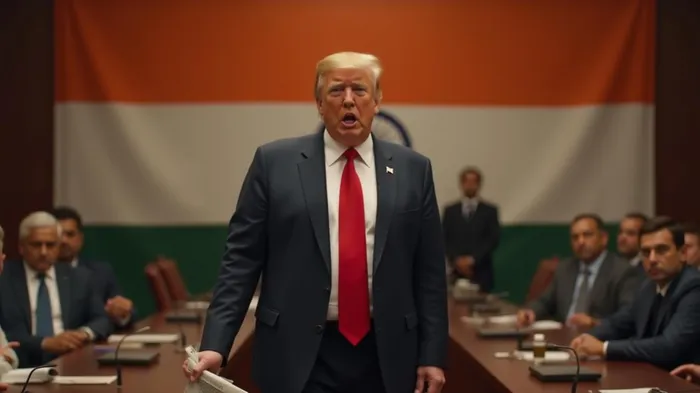

Stay ahead of the market.
Get curated U.S. market news, insights and key dates delivered to your inbox.




Comments
No comments yet