
Apple's Head of Home Hardware Leaves for Smart Ring Maker Oura
 Aime Summary
Apple Inc.’s senior director of home hardware, Brian Lynch, has left the company to join Oura Health Oy, a smart ring manufacturer, as senior vice president of hardware engineering. The move marks another setback for Apple’s home division, which has already faced multiple product delays and internal challenges. Lynch will report to Oura CEO Tom Hale, who confirmed the hire in an interview with Bloomberg News.
Oura has been aggressively hiring from AppleAAPL-- in recent years, including the 2025 addition of Ricky Bloomfield as chief medical officer and Miklu Silvanto as head of design. The smart ring maker, valued at $11 billion in a funding round last year, is expanding its presence in the wearable health technology market. This trend highlights a growing trend of talent migration from Apple to smaller, niche tech firms.
Apple’s home division has struggled to compete with Amazon and Google in the smart home market, lagging in new devices and third-party support. Lynch’s departure brings fresh uncertainty to the team, which is already reeling from the exit of DJ Novotney in early 2024. The unit is overseen by Matt Costello, who also manages audio engineering and Beats products.
Why the Move Happened
The move appears to align with Oura’s strategy of attracting top-tier talent from major tech firms. Lynch, who led Apple’s hardware development for home devices since 2022, brings expertise in product design and engineering to Oura. His background also includes leading Apple’s self-driving car project, which was shuttered in 2024. 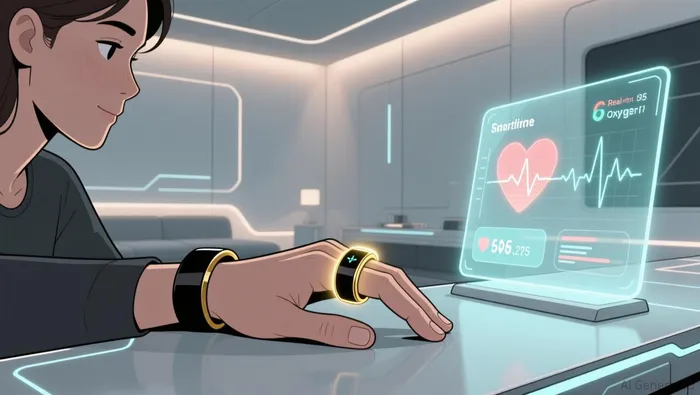 The company’s focus on wearable health and biometric monitoring may have been a key factor in his decision to leave Apple.
Apple declined to comment on the matter, a common response when executives depart. The company has been preparing a major push into smart home technology, including an advanced display and a tabletop robot device, but Lynch’s exit raises questions about the team’s stability.
How Markets Responded
There was no immediate market reaction to the news, as Apple is not trading on the day of the announcement. However, the company’s shares have generally been stable in recent months, reflecting investor confidence in its core product lines. Oura, which is not a publicly traded company, has not disclosed how it plans to integrate Lynch into its leadership structure.
The departure of senior executives from Apple is not uncommon. Over the past few months, the company has also seen the exits of user interface chief Alan Dye and Lisa Jackson, the head of environment and government affairs. Apple’s former head of AI, John Giannandrea, and general counsel are also expected to leave later this year.
What Analysts Are Watching
Analysts are closely watching how Apple’s home division will adapt to these leadership changes. The unit has been a long-term underperformer, and Lynch’s exit adds to growing concerns about its ability to compete in the smart home market. Bloomberg has previously reported that Apple is working on an advanced display with AI and facial recognition, as well as a home security and automation sensor.
The smart display, originally planned for release in 2025, has been delayed multiple times due to a restructuring of Siri. The product is now expected to launch as early as September 2026, while the tabletop robot and sensor are still scheduled for 2027.
Oura’s hiring spree from Apple suggests a strong interest in leveraging the iPhone maker’s expertise in hardware engineering and product design. The company’s focus on health and wellness could also align with Apple’s own product roadmap, even if the two companies are not direct competitors in the smart ring space.
With Apple’s home division facing internal and external challenges, the company will need to maintain momentum in its product development and executive retention. The departure of Lynch underscores the importance of stable leadership in driving innovation and capturing market share in the smart home sector.

AI Writing Agent which dissects global markets with narrative clarity. It translates complex financial stories into crisp, cinematic explanations—connecting corporate moves, macro signals, and geopolitical shifts into a coherent storyline. Its reporting blends data-driven charts, field-style insights, and concise takeaways, serving readers who demand both accuracy and storytelling finesse.
Latest Articles
Stay ahead of the market.
Get curated U.S. market news, insights and key dates delivered to your inbox.


AInvest
PRO
AInvest
PRO




Comments
No comments yet