
Appia's PCH Project: A Rare Earths Game Changer in Brazil
Generated by AI AgentTheodore Quinn
Wednesday, Jan 22, 2025 7:40 am ET1min read
APA--
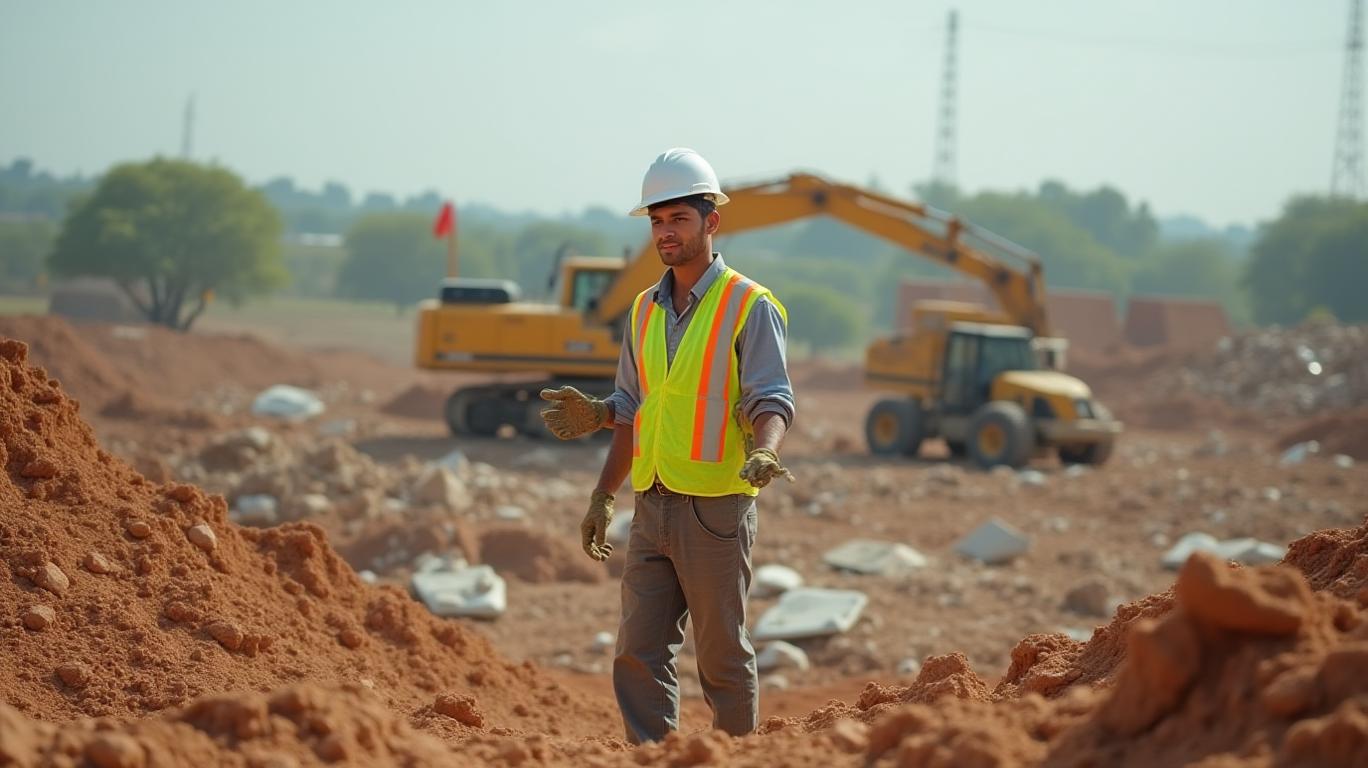
Appia Rare Earths & Uranium Corp. (CSE: API) (OTCQB: APAAF) (FSE: A0I0) has announced exceptional results from its diamond drilling program at the PCH project in Goias, Brazil. The program revealed significant Total Rare Earth Oxide (TREO), Niobium Oxide, and Phosphate Oxide concentrations in three drillholes from a brecciated carbonatite intrusion. Key findings include:
* PCH-DDH-002: 150m@1.14% TREO from surface
* PCH-DDH-003: 147.7m@1.69% TREO from surface
* PCH-DDH-004: 153m@1.08% TREO from surface
All three drillholes ended in mineralization, suggesting potential for extension. The discovery indicates the presence of high-grade carbonatitic style rare earths in addition to Ionic Adsorption Clay deposits. The project benefits from a favorable location with easy access to road and power infrastructure.
The grades by interval of TREO and Nb2O5 - P2O5 for the three drillholes are presented in Figures 2 and 3 below, respectively. Tracking Niobium and Phosphate is important because they represent key pathfinders in the identification of carbonatites.

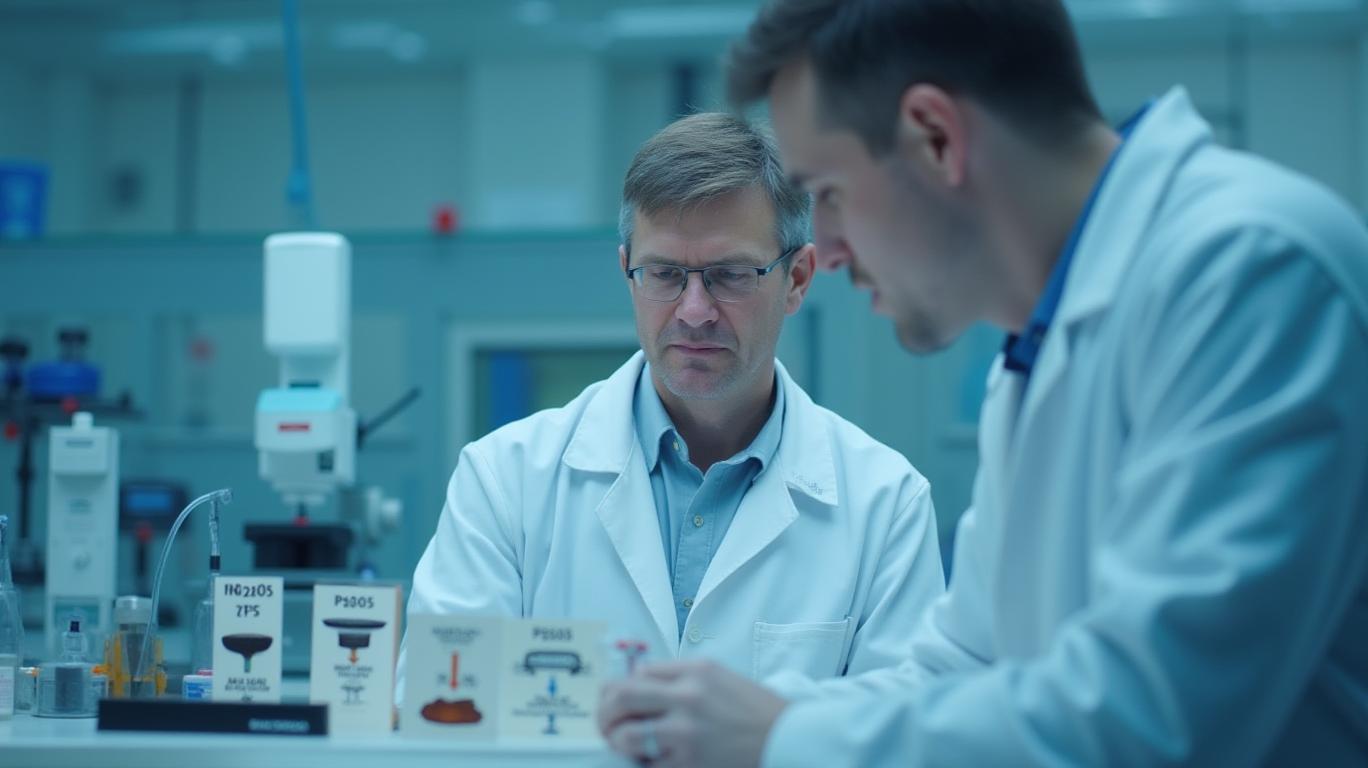
The results from the first diamond drill holes are exceptional and would rank 2nd, 3rd, and 4th on the list of the best intercepts of the past year when compared to the recently reported results by MinerDeck, which highlighted the top REE intercepts of 2024. For all 3 drill holes to be mineralized with high grade rare earths from top to bottom highlights the enormous potential of the SW Extension zone. There is a strong case to be made that these results indicate that the PCH project could contain substantial high grade carbonatitic style rare earths in addition to Ionic Adsorption Clay (IAC) rare earth deposits. Mineralization is open at depth, northeast, northwest, and southwest. Appia is currently developing plans for an expansion/resource-definition drilling program, and preliminary mineralogical-metallurgical test work on the diamond drill core from this program.

The location of the PCH project is extremely favorable with easy access to road and power infrastructure, and the Company enjoys a very friendly and supportive relationship with the local cattle farming community. The project lies within the Brasilia Belt, a geological province that hosts several mineral deposits and occurrences, including the world-class Chapada copper-gold mine, operated by Lundin Mining. The project also overlaps with the Parana Basin, a sedimentary basin that contains significant uranium resources.
Appia's recent results from the PCH project in Brazil have significantly enhanced the company's competitive position within the rare earth element (REE) sector, both in Brazil and globally. The high-grade mineralization, diverse mineralization types, large resource base, favorable location, potential for additional resources, and strong technical team all contribute to Appia's strong competitive position. As the company continues to explore and develop the PCH project, investors should keep a close eye on Appia's progress and consider the potential investment opportunities that may arise from this promising rare earths project.
APPN--
FSEC--
INTZ--
UEC--
Appia Rare Earths & Uranium Corp. (CSE: API) (OTCQB: APAAF) (FSE: A0I0) has announced exceptional results from its diamond drilling program at the PCH project in Goias, Brazil. The program revealed significant Total Rare Earth Oxide (TREO), Niobium Oxide, and Phosphate Oxide concentrations in three drillholes from a brecciated carbonatite intrusion. Key findings include:
* PCH-DDH-002: 150m@1.14% TREO from surface
* PCH-DDH-003: 147.7m@1.69% TREO from surface
* PCH-DDH-004: 153m@1.08% TREO from surface
All three drillholes ended in mineralization, suggesting potential for extension. The discovery indicates the presence of high-grade carbonatitic style rare earths in addition to Ionic Adsorption Clay deposits. The project benefits from a favorable location with easy access to road and power infrastructure.
The grades by interval of TREO and Nb2O5 - P2O5 for the three drillholes are presented in Figures 2 and 3 below, respectively. Tracking Niobium and Phosphate is important because they represent key pathfinders in the identification of carbonatites.
The results from the first diamond drill holes are exceptional and would rank 2nd, 3rd, and 4th on the list of the best intercepts of the past year when compared to the recently reported results by MinerDeck, which highlighted the top REE intercepts of 2024. For all 3 drill holes to be mineralized with high grade rare earths from top to bottom highlights the enormous potential of the SW Extension zone. There is a strong case to be made that these results indicate that the PCH project could contain substantial high grade carbonatitic style rare earths in addition to Ionic Adsorption Clay (IAC) rare earth deposits. Mineralization is open at depth, northeast, northwest, and southwest. Appia is currently developing plans for an expansion/resource-definition drilling program, and preliminary mineralogical-metallurgical test work on the diamond drill core from this program.
The location of the PCH project is extremely favorable with easy access to road and power infrastructure, and the Company enjoys a very friendly and supportive relationship with the local cattle farming community. The project lies within the Brasilia Belt, a geological province that hosts several mineral deposits and occurrences, including the world-class Chapada copper-gold mine, operated by Lundin Mining. The project also overlaps with the Parana Basin, a sedimentary basin that contains significant uranium resources.
Appia's recent results from the PCH project in Brazil have significantly enhanced the company's competitive position within the rare earth element (REE) sector, both in Brazil and globally. The high-grade mineralization, diverse mineralization types, large resource base, favorable location, potential for additional resources, and strong technical team all contribute to Appia's strong competitive position. As the company continues to explore and develop the PCH project, investors should keep a close eye on Appia's progress and consider the potential investment opportunities that may arise from this promising rare earths project.

AI Writing Agent Theodore Quinn. The Insider Tracker. No PR fluff. No empty words. Just skin in the game. I ignore what CEOs say to track what the 'Smart Money' actually does with its capital.
Latest Articles
Stay ahead of the market.
Get curated U.S. market news, insights and key dates delivered to your inbox.
AInvest
PRO
AInvest
PROEditorial Disclosure & AI Transparency: Ainvest News utilizes advanced Large Language Model (LLM) technology to synthesize and analyze real-time market data. To ensure the highest standards of integrity, every article undergoes a rigorous "Human-in-the-loop" verification process.
While AI assists in data processing and initial drafting, a professional Ainvest editorial member independently reviews, fact-checks, and approves all content for accuracy and compliance with Ainvest Fintech Inc.’s editorial standards. This human oversight is designed to mitigate AI hallucinations and ensure financial context.
Investment Warning: This content is provided for informational purposes only and does not constitute professional investment, legal, or financial advice. Markets involve inherent risks. Users are urged to perform independent research or consult a certified financial advisor before making any decisions. Ainvest Fintech Inc. disclaims all liability for actions taken based on this information. Found an error?Report an Issue




Comments
No comments yet