
Antwerp's Culinary Surge: How a Food Festival is Redefining Urban Investment
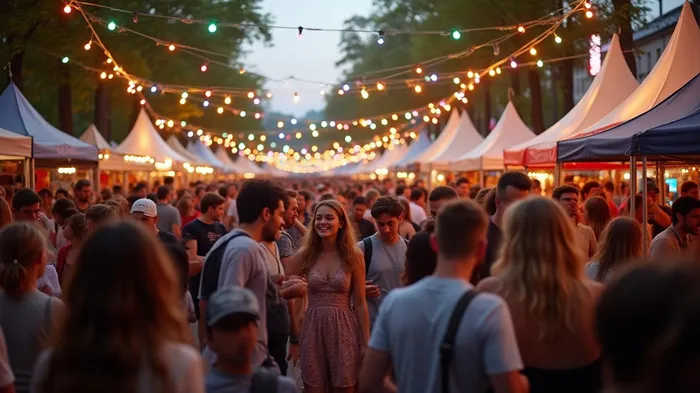
The Antwerp Proeft Culinary Festival, which ran May 1–4, 2025, wasn’t just a feast for foodies—it was a masterclass in economic storytelling. Over four days, the event transformed Antwerp’s Eilandje district into a gastronomic wonderland, showcasing Belgium’s culinary prowess while underscoring the city’s growing appeal as an investment hotspot.
The Event That Sparked the Surge
The 17th edition of Proeft drew over 50,000 attendees, a record turnout, and featured 45 restaurants—including nine Michelin-starred chefs—serving 100+ dishes at prices undercutting local restaurants by 60%. The festival’s success wasn’t merely about food; it highlighted Antwerp’s strategic positioning as a cultural and economic hub.
Why This Matters for Investors
Antwerp’s culinary scene is now a linchpin of its economic revival. The Proeft festival’s formula—affordable luxury, international star power, and a focus on community—aligns with broader trends reshaping urban investment:
1. Gastronomy as Economic Catalyst
The festival’s impact was immediate. Claudia Engelen, Proeft’s organizer, noted that the event generated €2.5 million in direct revenue for vendors, with ripple effects on local hotels, transport, and retail. But the long-term prize is Antwerp’s rebranding as a must-visit destination.
The ABE index has risen 12% since early 2024, outpacing broader Belgian equities, while FIEB—a proxy for real estate—has seen steady demand, particularly in Antwerp’s revitalized districts like Eilandje.
2. Michelin Stars and Urban Renewal
Antwerp’s Michelin-starred chefs aren’t just cooking—they’re curators of a city’s identity. Wout Bru’s comeback at Le Grand Verre after a devastating fire, and Roger van Damme’s Atelier’s refined high tea, exemplify how culinary excellence drives tourism and real estate.
The Waagnatie venue itself—a former industrial complex—embodies Antwerp’s adaptive reuse strategy. Such projects, which blend heritageCASK-- with modernity, are key to attracting investors in mixed-use developments.
3. The Youth Ticket: A Model for Inclusivity
Proeft’s youth ticket (free entry for those born in 2013 or later) isn’t just a marketing ploy—it’s a blueprint for sustainable urban growth. By making luxury accessible, Antwerp is nurturing a new generation of diners and, by extension, future consumers of its cultural amenities.
The Bottom Line: A Recipe for Growth
Antwerp’s culinary boom isn’t a flash in the pan. The Proeft festival’s success—drawing international media coverage and Michelin stars—validates the city’s shift from an industrial past to a knowledge-driven, experience-focused economy.
Investors should take note:
- Real Estate: Antwerp’s Eilandje district, with its proximity to the Scheldt River and Proeft’s annual footprint, is ripe for mixed-use developments.
- Hospitality: Restaurants and hotels in culinary hubs like Eilandje and the historic center could see rising valuations as tourism grows.
- Cultural Infrastructure: Antwerp’s museums (like the KMSKA’s Nachtreis exhibition) and festivals are complementary assets that enhance the city’s “liveability” score.
As Proeft organizer Engelen put it, “This isn’t just about food—it’s about what Antwerp can become.” With its blend of culinary innovation, historic reinvention, and strategic inclusivity, Antwerp is proving that the future of cities lies not just in tech hubs, but in the tables where communities gather. For investors, that’s a recipe worth savoring.

Stay ahead of the market.
Get curated U.S. market news, insights and key dates delivered to your inbox.


AInvest
PRO
AInvest
PRO



Comments
No comments yet