
Antitrust Tensions in the App Store Ecosystem: Strategic Implications for Tech Investors
 Aime Summary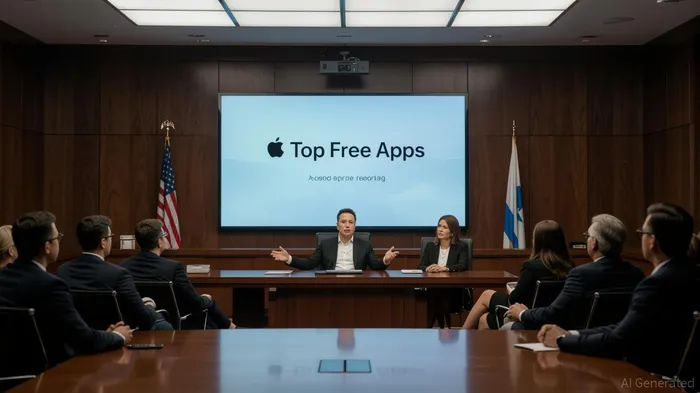
The App Store, once a digital goldmine for AppleAAPL--, has become a battleground for antitrust tensions, regulatory scrutiny, and the future of AI monetization. Elon Musk's recent public accusations against Apple—alleging antitrust violations in App Store rankings—highlight a broader struggle over platform control and the financial stakes of tech dominance. For investors, these tensions are reshaping the competitive landscape, creating both risks and opportunities in a rapidly evolving app economy.
Platform Control and AI Monetization: A New Frontier
Apple's App Store has long been a gatekeeper for app developers, with its 30% commission on in-app purchases and strict ranking algorithms. Musk's claim that Apple unfairly prioritizes OpenAI's ChatGPT over xAI's Grok underscores a critical issue: the power of platform owners to influence market outcomes. This dynamic is amplified by AI, where access to visibility in app stores can determine the success of AI chatbots, tools, and services.
Apple's partnership with OpenAI to integrate ChatGPT into iOS and macOS has drawn criticism, particularly from Musk, who argues it creates an uneven playing field. Meanwhile, Apple's rumored internal AI initiatives—such as its “Answers” team—suggest the company may soon leverage its own AI tools to further consolidate control. For investors, this raises concerns about monopolistic behavior and the potential for regulatory backlash.
The 2025 App Store payment rule changes, which allow developers to bypass Apple's payment system for U.S. users, have already disrupted the status quo. Developers can now retain 100% of subscription revenue, a shift that could erode Apple's $1.3 trillion in app-related billings. While Apple's services revenue remains robust, the symbolic and financial impact of these changes cannot be ignored.
Regulatory Shifts: A Global Recalibration
Regulatory scrutiny of tech giants is intensifying globally. The EU's $500 million fine against Apple for breaching antitrust rules under the Digital Markets Act (DMA) is part of a broader trend. Similarly, the U.S. Department of Justice (DOJ) has taken a hardline stance on mergers, blocking Hewlett PackardHPE-- Enterprise's $14 billion acquisition of Juniper Networks. These actions signal a regulatory environment increasingly hostile to monopolistic practices.
For Apple, the June 2025 U.S. Court of Appeals ruling—which bars the company from charging commissions on external in-app transactions—is a watershed moment. While the financial impact is estimated at $1–2 billion annually, the ruling's symbolic weight is far greater. It reflects a growing willingness among regulators to challenge tech monopolies, a trend that could spread to other regions.
The UK's Digital Markets, Competition and Consumers Act (DMCCA), enacted in January 2025, further complicates the landscape. The Competition and Markets Authority (CMA) is now investigating Apple and GoogleGOOGL-- for exploitative practices in their app ecosystems, with potential remedies including data-sharing mandates and restrictions on self-preferencing.
Investment Risks and Opportunities
For investors, the App Store's antitrust tensions present a dual-edged sword. On one hand, Apple's ecosystem remains a fortress of innovation and user engagement. Its payment systems, fraud prevention tools, and developer support are still indispensable, particularly in emerging markets. However, the company's ability to adapt to regulatory pressures—such as lowering commission rates or introducing new developer tiers—will be critical to maintaining its dominance.
Conversely, the loosening of App Store rules creates opportunities for alternative platforms. AmazonAMZN--, Google, and cloud gaming giants like NVIDIANVDA-- and MicrosoftMSFT-- stand to benefit from a shift toward flexible payment systems and lower-cost app distribution. For example, SpotifySPOT-- and Patreon have already integrated external payment options into their iOS apps, signaling a broader trend.
AI-driven monetization strategies are also gaining traction. Developers are leveraging AI to personalize pricing, predict churn, and optimize user experiences. However, these strategies must navigate a complex regulatory environment, including GDPR and CCPA compliance. Non-compliance risks hefty fines, as seen in TikTok's €530 million GDPR penalty.
Strategic Implications for Investors
- Diversify Exposure: While Apple remains a cornerstone of the tech sector, investors should balance holdings with companies benefiting from regulatory fragmentation. Amazon, Google, and Microsoft are well-positioned to capitalize on the shift toward open ecosystems.
- Monitor Regulatory Developments: The DOJ's antitrust case against Google and the EU's DMA enforcement will shape the app economy. Investors should track these cases for insights into potential market shifts.
- Embrace AI-Driven Innovation: AI's role in monetization is expanding, but success hinges on ethical data practices and regulatory compliance. Companies like NVIDIA and Microsoft, with robust AI infrastructure, are strong candidates for long-term growth.
- Assess Platform Resilience: Apple's ability to innovate around regulatory constraints—such as through new services or partnerships—will determine its long-term viability. Its $300+ billion cash reserves provide flexibility, but execution will be key.
Conclusion: Navigating the New App Economy
The App Store's antitrust tensions are a microcosm of the broader tech sector's evolution. As regulatory scrutiny intensifies and AI reshapes monetization strategies, investors must remain agile. While Apple's ecosystem remains formidable, the rise of alternative platforms and the democratization of app monetization present compelling opportunities. For those willing to navigate the complexities of a shifting regulatory landscape, the app economy offers a fertile ground for innovation and growth.

Delivering real-time insights and analysis on emerging financial trends and market movements.
Latest Articles
Stay ahead of the market.
Get curated U.S. market news, insights and key dates delivered to your inbox.




Comments
No comments yet