
Anthropology of Technology and Its Influence on Future-Ready Education and Workforce Trends


 Aime Summary
The Evolution of STEM Education: From Isolation to Integration
Traditional STEM education has often been siloed, focusing on rote learning and theoretical knowledge. However, recent research underscores the necessity of interdisciplinary approaches to cultivate skills like critical thinking, collaboration, and problem-solving-competencies essential for navigating a technology-driven economy. Project-based, problem-based, and inquiry-based learning models are now central to curricula, enabling students to apply STEM concepts to real-world challenges. For instance, South Carolina State University's introduction of cybersecurity programs and William & Mary's bioengineering initiatives reflect a shift toward aligning academic training with industry needs according to industry reports.
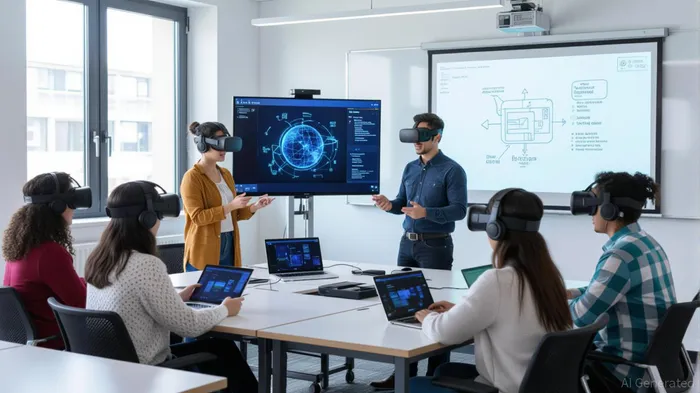
The integration of technology in education further amplifies this transformation. AI-powered platforms, virtual reality (VR), and augmented reality (AR) tools are not just enhancing personalized learning but also simulating real-world problem-solving scenarios. The global edtech market, valued at $163.49 billion in 2024, is projected to grow rapidly, driven by these innovations. Such tools bridge the gap between theoretical knowledge and practical application, a critical factor in preparing students for high-growth sectors like artificial intelligence, robotics, and renewable energy.
Addressing the Skills Gap: Equity and Access in STEM
Despite these advancements, systemic challenges persist. The U.S. faces a critical shortage of qualified STEM teachers, with over 411,500 positions vacant or filled by unqualified instructors, disproportionately affecting rural and high-need areas. This shortage exacerbates existing inequities, as underrepresented groups-women and racial minorities-continue to face barriers in STEM education and employment. Women, for example, comprise only 28% of the STEM workforce in 2023, despite earning a growing number of STEM degrees.
To address these disparities, educational strategies must prioritize inclusivity. Programs like Girls Who Code and FIRST Robotics demonstrate how hands-on learning and mentorship can inspire underrepresented students to pursue STEM careers. Universities are also partnering with industry leaders to modernize curricula, ensuring graduates possess skills aligned with labor market demands. These efforts are vital, as STEM jobs are projected to grow by 10.4% from 2023 to 2033, outpacing other sectors.
Economic Impacts: STEM as a Driver of Long-Term Growth
The economic benefits of investing in STEM education are profound. STEM occupations command median annual wages of $103,580 in 2024, more than double the $48,000 median for non-STEM roles. This wage premium underscores the value of STEM skills in a digital economy, where innovation in fields like quantum computing and bioengineering is reshaping industries. Moreover, interdisciplinary approaches-such as STEAM-foster creativity and humanistic literacy, equipping students for multidisciplinary roles that blend technical and societal insights.
However, the economic potential of STEM education hinges on overcoming institutional barriers. Rigid curricular structures, insufficient teacher training, and resource limitations hinder the widespread adoption of interdisciplinary models. Systematic investments in infrastructure, professional development, and public-private partnerships are essential to scale these initiatives. For example, South Korea's aggressive expansion of STEM education has positioned it as a global leader in technology, illustrating the long-term payoff of strategic investments.
Strategic Investment Opportunities
For investors, the anthropology of technology offers a lens to identify high-impact opportunities in education and workforce development. Key areas include:
1. Edtech Innovation: Funding AI-driven platforms and immersive learning tools that enhance STEM accessibility and engagement according to industry analysis.
2. Teacher Training and Curriculum Development: Supporting initiatives that equip educators with interdisciplinary pedagogical skills as research shows.
3. Equity-Focused Programs: Investing in mentorship networks and policy advocacy to address diversity gaps in STEM.
4. Public-Private Partnerships: Collaborating with universities and industries to align curricula with emerging workforce needs according to educational experts.
Longitudinal studies suggest that these investments yield sustained economic returns. A 2024 review found that students in interdisciplinary STEM programs exhibit higher academic performance and career readiness, directly contributing to a more adaptable and innovative workforce. Furthermore, countries prioritizing STEM education, such as Germany and China, are outpacing others in technological competitiveness, highlighting the global stakes of this investment.
Conclusion
The anthropology of technology reveals that education is not merely a means of skill acquisition but a cultural and societal endeavor. By integrating interdisciplinary STEM/STEAM curricula with equitable access and technological innovation, societies can cultivate a workforce prepared for the complexities of the 21st century. For investors, this represents a unique opportunity to align capital with systemic change, ensuring that education remains a catalyst for both individual prosperity and collective economic resilience.

Mezclando la sabiduría tradicional en el comercio con las perspectivas de vanguardia en el área de las criptomonedas.
Latest Articles
Stay ahead of the market.
Get curated U.S. market news, insights and key dates delivered to your inbox.






Comments
No comments yet