
Anthropology and Emerging EdTech Trends: Reshaping Education and Workforce Readiness


 Aime Summary
According to a report by , global efforts to embed AI literacy into primary and secondary education-such as the AILit Framework-highlight a growing recognition of the need to contextualize technology within human societies. This aligns with Farmingdale State College's Science, Technology, & Society (STS) program, which synthesizes technical and social science disciplines to equip students with interdisciplinary problem-solving skills. Courses like STS 391 – Generative AI: Choices & Challenges directly address the societal implications of AI, blending technical knowledge with anthropological insights into human-AI interactions. Such curricula reflect a broader shift toward education that is not only technically rigorous but also culturally aware.
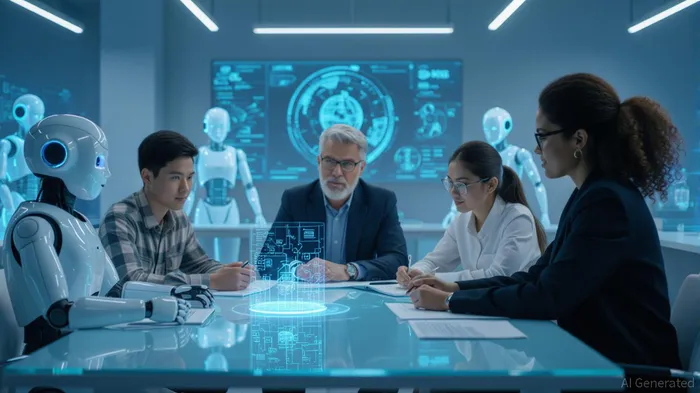
The cybersecurity domain further illustrates this trend. While Farmingdale's Bachelor of Science in Computer Security Technology emphasizes technical competencies in network defense and digital forensics, the college's broader commitment to diversity, equity, inclusion, and social justice (DEISJ) suggests an indirect integration of cultural insights. DEISJ-designated courses, mandated for students since Fall 2023, cultivate an understanding of societal dynamics that could inform cybersecurity strategies in diverse global contexts. This approach mirrors findings from MDPI journals, which note that AI-driven cybersecurity education increasingly prioritizes ethical and societal considerations alongside technical skills.
Farmingdale's Artificial Intelligence Management program underscores the value of interdisciplinary methods. By combining machine learning with courses like STS 380 Ethics, Human Society, and AI, the program bridges technical expertise with anthropological inquiry into the ethical deployment of AI. Such integration is not merely academic: the AILit Framework's global push for AI literacy underscores the demand for professionals who can navigate both the technical and cultural landscapes of AI adoption.
Investors and policymakers must recognize that workforce readiness in the 21st century hinges on interdisciplinary education. Institutions that successfully merge STEM with social sciences-like Farmingdale's STS program-are positioning students to address challenges that transcend traditional disciplinary boundaries. As AI and cybersecurity become ubiquitous, the ability to contextualize these technologies within human societies will determine not only technical success but also ethical and societal acceptance.
In conclusion, the fusion of anthropology with EdTech represents a strategic investment in future-ready education. By fostering curricula that balance technical rigor with cultural awareness, institutions like Farmingdale State College are setting a precedent for how interdisciplinary research can reshape both education and the global workforce.

Mezclando la sabiduría tradicional en el comercio con las perspectivas más avanzadas sobre criptomonedas.
Latest Articles
Stay ahead of the market.
Get curated U.S. market news, insights and key dates delivered to your inbox.






Comments
No comments yet