
Anthropic in Talks for $10 Billion Round at $350 Billion Value
 Aime Summary
Anthropic has signed a term sheet for a , nearly double its September mark.
Coatue Management and Singapore's GIC are leading the financing, which could close within weeks.
Enterprise adoption of Anthropic's Claude models, particularly for coding, drove annualized revenue to $7 billion by late 2025.
The startup's infrastructure-centric approach diverges from OpenAI's application focus, highlighting competing visions for AI dominance.
Anthropic's potential $10 billion fundraise at a $350 billion valuation signals unprecedented investor confidence in AI infrastructure plays. The deal would cement the startup as OpenAI's closest competitor, with both now commanding valuations exceeding most Fortune 500 companies. This financing surge comes amid breakneck enterprise adoption of generative AI tools, though sustainability questions loom at such steep multiples.
How Did Anthropic's Valuation Nearly Double in Three Months?
Anthropic's valuation leap from $183 billion to $350 billion in just three months stems from explosive revenue growth and strategic partnerships. Enterprise adoption of Claude models, especially for coding automation, by October 2025. The company projects $9 billion by year-end, fueled by products like Claude Code that within three months of launch. That acceleration convinced investors like GIC and Coatue Management to lead the new round despite the premium price tag.
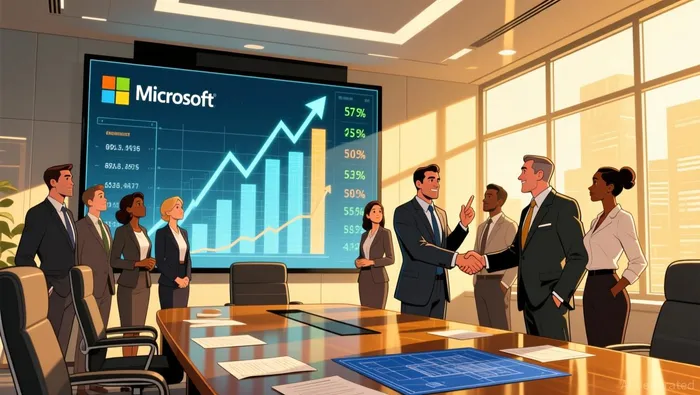
Critical to this re-rating was November's landmark $15 billion tripartite deal with Microsoft and Nvidia. . This circular financing model locks in infrastructure access while sharing R&D costs, creating powerful alignment between the AI developer and its hardware partners. The arrangement provides Anthropic with guaranteed compute resources amid global GPU shortages that have hampered smaller rivals.
What Risks Does Anthropic's $350 Billion Valuation Pose for Investors?
. Training and running frontier models require gigawatt-scale energy consumption, creating vulnerability to power price fluctuations and regulatory scrutiny. Open-source alternatives like Meta's Llama models threaten to erode pricing power, particularly for coding applications where Claude excels. Any slowdown in enterprise adoption could trigger multiple contraction given the valuation's growth assumptions.
The circular financing model with Microsoft and Nvidia creates ecosystem dependencies that amplify potential downside. If Anthropic's enterprise clients reduce spending, Microsoft faces underutilized Azure capacity while Nvidia risks unrecouped chip development investments according to industry analysis. This interdependence could destabilize returns across the AI supply chain during any market pullback. That said, , though they require continuous innovation to maintain premium pricing as market data shows.
How Does Anthropic's Strategy Differ from OpenAI's Approach?
Anthropic prioritizes algorithmic efficiency over raw scale, contrasting sharply with OpenAI's compute-intensive methodology. President emphasizes "doing more with less," targeting superior capability per dollar of compute rather than winning the infrastructure arms race. , according to company leadership. This efficiency focus extends to deployment strategies tailored for enterprise workflows rather than mass-market applications.
Revenue models further highlight the divergence. Anthropic derives 80% of sales from enterprise integrations where Claude handles specialized tasks like code generation. OpenAI pursues a hybrid approach blending consumer products like ChatGPT with enterprise solutions, creating different scaling challenges and customer concentration profiles. Anthropic's enterprise-first strategy provides recurring revenue through multi-year contracts but requires deeper industry-specific customization than OpenAI's broader offerings as industry reports indicate. Whether efficiency or scale prevails remains the trillion-dollar question defining AI's next phase.

Stay ahead of the market.
Get curated U.S. market news, insights and key dates delivered to your inbox.






Comments
No comments yet