
U.S. Announces Patriot Missile Deployment to Ukraine Amid Heightened Tensions with Russia
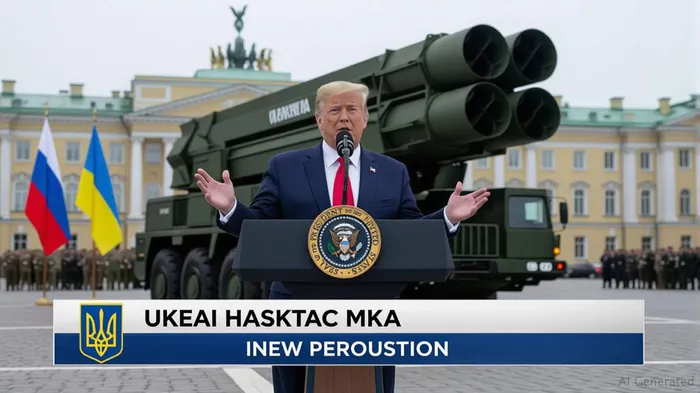
The U.S. government has announced plans to deliver Patriot advanced capability-3 (PAC-3) air defense missiles to Ukraine, a move attributed to escalating Russian military activity in the region. The decision, publicly stated by President Donald Trump, marks a significant escalation in U.S. military support for Kyiv, with deliveries set to commence in the coming months.
Strategic Defense Initiative Announced
President Trump stated the deployment aims to bolster Ukraine’s air defense capabilities, countering what he described as “Russia’s destabilizing actions along shared borders.” The PAC-3 system, capable of intercepting ballistic missiles, drones, and aircraft, represents a high-end defense technology transfer. Officials emphasized the systems’ role in enhancing Kyiv’s ability to repel aerial threats, though specifics regarding the quantity or timeline of shipments were not disclosed.
Context of Russian Military Movements
The announcement follows recent Russian military exercises near Ukraine’s eastern border, including the deployment of Iskander ballistic missile units and Su-34 fighter jets. U.S. intelligence assessments reportedly indicated heightened readiness among Russian forces, raising concerns about potential cross-border incursions. A White House spokesperson underscored that the missile transfer is a “defensive measure” to deter aggression and reinforce regional stability.
Regional Security Implications
Ukrainian officials welcomed the move as critical support for national defense, though they urged further international coordination to address broader security needs. Analysts highlighted the PAC-3 system’s integration with existing NATO-standard equipment in Ukraine, potentially streamlining interoperability with allied defense networks. However, the decision has drawn mixed reactions from neutral observers, who caution against deepening military entanglements amid unresolved diplomatic disputes.
International Reactions Remain Divided
While Western allies have historically supported Ukraine’s sovereignty, some European governments have expressed reservations about escalating military assistance, citing concerns over regional escalation. Conversely, regional partners in Eastern Europe praised the move as a necessary step to counterbalance Russian influence. No formal objections have been raised by Moscow, though past statements condemned U.S. arms transfers to Kyiv as provocative.
Strategic Rationale for U.S. Action
The administration framed the decision as part of a broader strategy to strengthen allies’ defensive postures in volatile regions. A senior Pentagon official noted that the PAC-3 deployment aligns with U.S. commitments to “maintain strategic deterrence” without direct military engagement. The move also follows months of U.S. intelligence sharing and training programs for Ukrainian forces, reflecting a layered approach to supporting Kyiv’s autonomy.
Technical Details and Operational Scope
The PAC-3 system, manufactured by Raytheon Technologies, operates using hit-to-kill technology, eliminating the need for explosives in intercepts. Ukrainian forces will undergo specialized training to operate and maintain the systems, with U.S. personnel providing initial technical support. Officials confirmed the program’s funding comes from existing defense appropriations, avoiding emergency congressional requests.
Broader Geopolitical Dynamics
The announcement underscores ongoing U.S.-Russia tensions over regional influence, with both sides accusing the other of provocation. U.S. officials reiterated that the missile transfer does not signal a shift in diplomatic engagement but aims to ensure Kyiv retains credible defense options. Meanwhile, diplomatic channels remain open for dialogue, though progress on key issues like arms control or territorial disputes remains stalled.
Conclusion: Balancing Defense and Diplomacy
The Patriot missile deployment highlights the administration’s dual focus on strengthening allies’ security while navigating complex geopolitical risks. As Russia continues large-scale military exercises in the region, the move signals a resolve to deter aggression through defensive capabilities. However, long-term stability will depend on parallel efforts to address underlying disputes through diplomatic channels.

Stay ahead of the market.
Get curated U.S. market news, insights and key dates delivered to your inbox.


AInvest
PRO
AInvest
PRO



Comments
No comments yet