
Anheuser-Busch's Phorm Energy Drink Now Available at 7-Eleven Stores Across the US
ByAinvest
Friday, Aug 29, 2025 6:49 am ET1min read
BUD--
The rollout of Phorm Energy is a strategic move by Anheuser-Busch to diversify its revenue streams and capture a share of the burgeoning non-alcoholic beverage market. The energy drink market is experiencing robust growth, driven by increasing consumer demand for functional beverages that cater to health-conscious consumers and younger demographics [1].
By entering the energy drink market, Anheuser-Busch joins other major beverage producers such as Molson Coors and Diageo, which are also pivoting their portfolios to include non-alcoholic alternatives. This shift is a response to declining alcohol consumption among younger consumers and the growing popularity of non-alcoholic beverages [1].
The introduction of Phorm Energy aligns with Anheuser-Busch's broader "Beyond Beer" strategy, which aims to capture the growing demand for non-alcoholic beverages. The company's iconic brands, such as Budweiser and Michelob, are being leveraged to introduce non-alcoholic variants that benefit from existing consumer trust and brand equity [1].
For investors, the expansion into the energy drink market presents an opportunity to diversify revenue streams and capitalize on the growth of the non-alcoholic beverage sector. Companies that successfully navigate this shift stand to benefit from the structural inflection point in the market [1].
As the market for non-alcoholic beverages continues to mature, a diversified approach that targets both beer and spirits segments will be critical. Early movers like Anheuser-Busch are demonstrating that these products can achieve premium pricing and brand loyalty, positioning them for long-term growth [1].
References:
[1] https://www.ainvest.com/news/decline-alcohol-consumption-rise-alcoholic-alternatives-identifying-investment-opportunities-beer-strategy-major-producers-2508/
Anheuser-Busch InBev has introduced its new energy drink, Phorm Energy, into 7-Eleven stores across the US. The rollout follows an earlier online-only debut. The move is part of Anheuser-Busch's aggressive expansion into the energy drink market, which is expected to reach $16.4 billion by 2027.
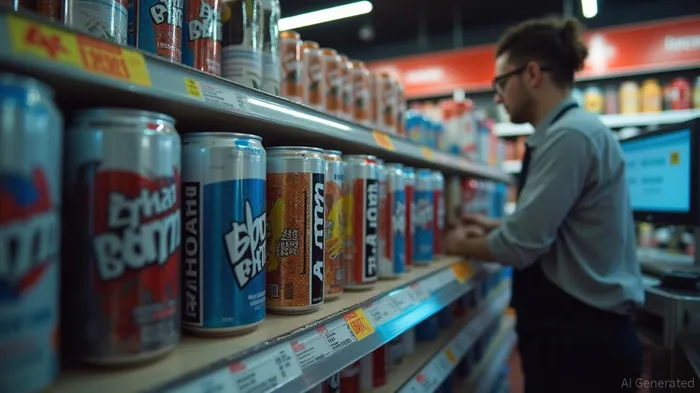
Anheuser-Busch InBev (BUD) has taken a significant step into the energy drink market by introducing its new product, Phorm Energy, into 7-Eleven stores across the United States. This move follows an earlier online-only debut and is part of the company's aggressive expansion strategy in the rapidly growing energy drink sector, which is projected to reach $16.4 billion by 2027 [1].The rollout of Phorm Energy is a strategic move by Anheuser-Busch to diversify its revenue streams and capture a share of the burgeoning non-alcoholic beverage market. The energy drink market is experiencing robust growth, driven by increasing consumer demand for functional beverages that cater to health-conscious consumers and younger demographics [1].
By entering the energy drink market, Anheuser-Busch joins other major beverage producers such as Molson Coors and Diageo, which are also pivoting their portfolios to include non-alcoholic alternatives. This shift is a response to declining alcohol consumption among younger consumers and the growing popularity of non-alcoholic beverages [1].
The introduction of Phorm Energy aligns with Anheuser-Busch's broader "Beyond Beer" strategy, which aims to capture the growing demand for non-alcoholic beverages. The company's iconic brands, such as Budweiser and Michelob, are being leveraged to introduce non-alcoholic variants that benefit from existing consumer trust and brand equity [1].
For investors, the expansion into the energy drink market presents an opportunity to diversify revenue streams and capitalize on the growth of the non-alcoholic beverage sector. Companies that successfully navigate this shift stand to benefit from the structural inflection point in the market [1].
As the market for non-alcoholic beverages continues to mature, a diversified approach that targets both beer and spirits segments will be critical. Early movers like Anheuser-Busch are demonstrating that these products can achieve premium pricing and brand loyalty, positioning them for long-term growth [1].
References:
[1] https://www.ainvest.com/news/decline-alcohol-consumption-rise-alcoholic-alternatives-identifying-investment-opportunities-beer-strategy-major-producers-2508/
Stay ahead of the market.
Get curated U.S. market news, insights and key dates delivered to your inbox.
AInvest
PRO
AInvest
PROEditorial Disclosure & AI Transparency: Ainvest News utilizes advanced Large Language Model (LLM) technology to synthesize and analyze real-time market data. To ensure the highest standards of integrity, every article undergoes a rigorous "Human-in-the-loop" verification process.
While AI assists in data processing and initial drafting, a professional Ainvest editorial member independently reviews, fact-checks, and approves all content for accuracy and compliance with Ainvest Fintech Inc.’s editorial standards. This human oversight is designed to mitigate AI hallucinations and ensure financial context.
Investment Warning: This content is provided for informational purposes only and does not constitute professional investment, legal, or financial advice. Markets involve inherent risks. Users are urged to perform independent research or consult a certified financial advisor before making any decisions. Ainvest Fintech Inc. disclaims all liability for actions taken based on this information. Found an error?Report an Issue




Comments
No comments yet