
Angola's Downstream Energy Sector: A Strategic Hub Amid Policy Shifts and Regional Rivalry


 Aime Summary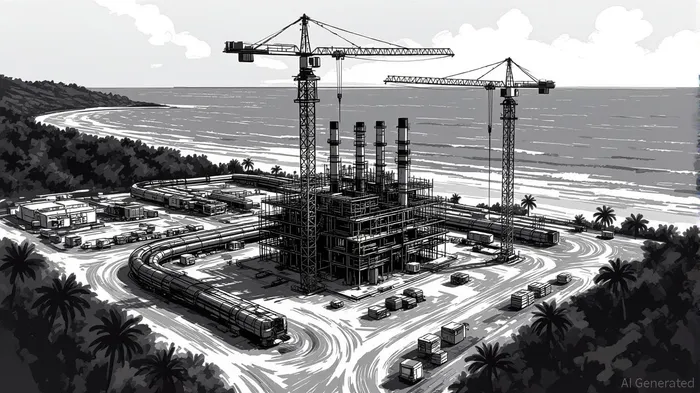
Angola's downstream energy sector is undergoing a transformative phase, driven by strategic infrastructure projects, policy reforms, and a shift toward regional energy leadership. As the country seeks to reduce its reliance on imported fuel and diversify its economy, the Cabinda Refinery, Lobito Corridor incentives, and Sonangol's production ambitions are reshaping the investment landscape. For international and local investors, the period from 2025 to 2030 presents both opportunities and risks, shaped by geopolitical dynamics, global energy transitions, and regional competition.
Policy Shifts and Fiscal Incentives: A Catalyst for Growth
The Cabinda Refinery, Angola's first new refinery since independence, is a cornerstone of the government's energy strategy. With an initial capacity of 30,000 barrels per day (bpd) and plans to expand to 60,000 bpd, the facility is projected to reduce annual fuel import costs by $2 billion. Its recognition as the 2025 “Downstream Player of the Year” at the Angola Oil & Gas (AOG) conference underscores its strategic importance. The refinery's success hinges on its ability to leverage Gemcorp's private investment and Sonangol's state-owned expertise, creating a hybrid model that balances public and private interests.
Complementing this is the Lobito Corridor initiative, a $60 billion infrastructure project aimed at modernizing rail and logistics networks to connect Angola's mineral-rich interior with global markets. The corridor's focus on copper, cobalt, and other critical minerals aligns with the global energy transition's demand for raw materials. Fiscal incentives, including a reduced VAT rate for industrial equipment and customs flexibility for exporters, further enhance the corridor's appeal. For investors, these policies signal a commitment to reducing bureaucratic hurdles and fostering a business-friendly environment.
Sonangol's Ambitions: Bridging Upstream and Downstream
Sonangol, Angola's state-owned oil giant, is central to the country's downstream expansion. Its 2025 production milestones—such as the Agogo FPSO and CLOVCLOV-- Phase 3 Development—have added 180,000 bpd to domestic supply, providing a stable feedstock for refineries. The company's plans to develop refineries in Lobito (200,000 bpd) and Soyo (100,000 bpd) reflect a broader vision to position Angola as a regional refining hub.
Sonangol's upcoming Initial Public Offering (IPO) in 2026 is another critical development. By attracting foreign capital, the IPO could accelerate downstream investments, including fuel storage expansion and logistics upgrades. The company's participation in global energy conferences, such as African Energy Week (AEW), also highlights its intent to secure partnerships with international firms like TotalEnergiesTTE-- and ChevronCVX--.
Regional Competition and Geopolitical Risks
While Angola's downstream ambitions are robust, regional competition from Namibia and Gabon poses challenges. Namibia, with its emerging offshore oil fields, is seeking to replicate Angola's refining and logistics expertise. Gabon, meanwhile, is leveraging Angola's infrastructure to access deepwater reserves. To maintain its edge, Angola must ensure regulatory clarity and infrastructure resilience.
Geopolitical risks, such as the recent platform fire in May 2025, underscore the need for safety investments. Additionally, global energy transition trends—particularly the shift toward gas and renewables—require Angola to adapt its strategy. The National Gas Master Plan, which aims to increase gas's share in the energy mix to 25% by 2025, is a step in this direction. Chevron's Sanha Lean Gas Connection project, targeting 600 mmscf/d by 2025, exemplifies this pivot.
Investment Opportunities and Strategic Recommendations
For investors, Angola's downstream sector offers long-term potential, particularly in refining, logistics, and gas infrastructure. Key opportunities include:
1. Refinery Equity Participation: The Cabinda Refinery's phased expansion and future Lobito/Soyo projects present opportunities for private equity and joint ventures.
2. Lobito Corridor Logistics: Infrastructure investments in rail, ports, and storage facilities could yield high returns as the corridor becomes a critical node for mineral exports.
3. Gas Value Chain Development: Angola's gas reserves and Chevron's involvement in LNG projects position the country as a regional gas hub.
However, investors must navigate risks such as political instability, infrastructure bottlenecks, and regulatory shifts. Diversifying portfolios across upstream and downstream assets, while prioritizing partnerships with Sonangol and international firms, can mitigate these risks.
Conclusion: A Strategic Bet on Angola's Energy Future
Angola's downstream energy sector is at a pivotal juncture. With policy reforms, fiscal incentives, and strategic infrastructure projects, the country is positioning itself as a leader in regional energy markets. While challenges persist, the alignment of Sonangol's ambitions, regional collaboration, and global energy trends creates a compelling case for long-term investment. For those willing to navigate the complexities, Angola's energy transition offers a unique opportunity to capitalize on Africa's next energy frontier.

Delivering real-time insights and analysis on emerging financial trends and market movements.
Latest Articles
Stay ahead of the market.
Get curated U.S. market news, insights and key dates delivered to your inbox.
AInvest
PRO
AInvest
PRO



Comments
No comments yet