
Analyzing Supply-Constrained Industries: How to Identify and Invest in Commodities in Shortage
 Aime Summary
In a world where demand is constantly evolving, some commodities become scarcer due to supply limitations. These supply-constrained industries present unique investment opportunities for investors willing to understand the dynamics at play. In this article, we’ll explore what supply-constrained industries are, how they affect stock markets, and how you can identify and invest in commodities that are in short supply.
Supply-constrained industries refer to sectors where the production of a commodity cannot easily keep up with growing demand. This imbalance between supply and demand can drive up prices, creating value for companies that produce these goods. Examples include rare earth metals, lithium, copper, and certain agricultural products.
The key factors that create supply constraints often include:
- Physical scarcity: Some resources are naturally limited in availability.- Geopolitical issues: Production can be disrupted by trade restrictions, political instability, or sanctions.- Environmental regulations: Stricter rules on mining and production can slow down supply.- Long lead times: It can take years to bring a new mine or factory online, making it difficult to respond to sudden demand spikes.
When supply is constrained, commodity prices tend to rise. This can lead to increased profits for companies in the sector, which in turn can boost their stock prices. For investors, this dynamic offers a chance to capitalize on price trends before they become widely known.
One effective strategy for investing in supply-constrained commodities is to focus on companies that are leaders in their fields. For example, if you believe that demand for electric vehicle batteries will outstrip lithium production, investing in a leading lithium miner could be a smart move. Alternatively, you might consider exchange-traded funds (ETFs) that track a basket of commodities or industry-specific stocks.
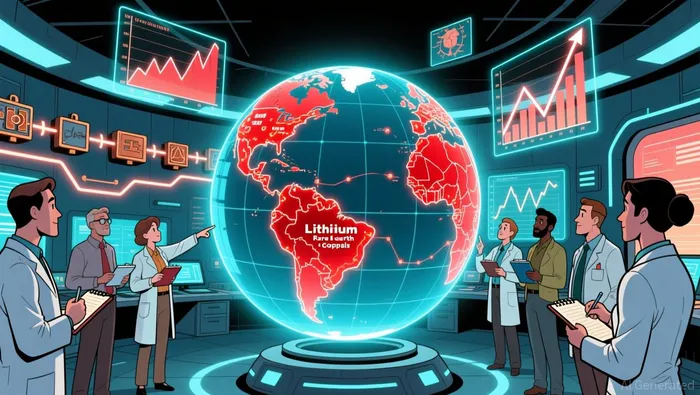 Another approach is to look for early signs of a supply crunch. This might include rising prices, increased exploration spending by companies, or regulatory changes that could impact production. Staying informed about industry reports, government data, and market sentiment can help you spot emerging opportunities.
A real-world example of a supply-constrained industry in action is the rare earth metals market. Rare earth elements are critical components in electronics, wind turbines, and defense systems. China controls a large portion of global rare earth production, and in recent years, trade tensions and environmental concerns have limited supply. As demand from the tech and renewable energy sectors has grown, prices for some rare earth metals have surged. Companies that have increased production or found alternative sources have seen significant stock price appreciation.
However, investing in supply-constrained industries is not without risk. Prices can be volatile, and not all supply shortages lead to sustained gains. Some factors, like overproduction or new discoveries, can quickly reverse a shortage. To mitigate these risks, investors should:
- Diversify their holdings across different commodities and geographies.- Conduct thorough research into the companies they invest in, including their production capacity, management, and financial health.- Use stop-loss orders to protect against sudden price drops.- Stay informed about market developments and geopolitical events that could impact supply.
In conclusion, supply-constrained industries offer a compelling opportunity for investors to profit from rising commodity prices driven by limited supply. By understanding the underlying causes of scarcity and staying alert to market signals, you can position yourself to benefit from these dynamics. However, like any investment strategy, it’s important to approach this with caution, conduct due diligence, and align it with your overall investment goals.
Another approach is to look for early signs of a supply crunch. This might include rising prices, increased exploration spending by companies, or regulatory changes that could impact production. Staying informed about industry reports, government data, and market sentiment can help you spot emerging opportunities.
A real-world example of a supply-constrained industry in action is the rare earth metals market. Rare earth elements are critical components in electronics, wind turbines, and defense systems. China controls a large portion of global rare earth production, and in recent years, trade tensions and environmental concerns have limited supply. As demand from the tech and renewable energy sectors has grown, prices for some rare earth metals have surged. Companies that have increased production or found alternative sources have seen significant stock price appreciation.
However, investing in supply-constrained industries is not without risk. Prices can be volatile, and not all supply shortages lead to sustained gains. Some factors, like overproduction or new discoveries, can quickly reverse a shortage. To mitigate these risks, investors should:
- Diversify their holdings across different commodities and geographies.- Conduct thorough research into the companies they invest in, including their production capacity, management, and financial health.- Use stop-loss orders to protect against sudden price drops.- Stay informed about market developments and geopolitical events that could impact supply.
In conclusion, supply-constrained industries offer a compelling opportunity for investors to profit from rising commodity prices driven by limited supply. By understanding the underlying causes of scarcity and staying alert to market signals, you can position yourself to benefit from these dynamics. However, like any investment strategy, it’s important to approach this with caution, conduct due diligence, and align it with your overall investment goals.

Stay ahead of the market.
Get curated U.S. market news, insights and key dates delivered to your inbox.


AInvest
PRO
AInvest
PRO



Comments
No comments yet