
Analyzing Commodity Markets: How Cross-Commodity Relationships and Supply Chain Disruptions Influence Price Trends
 Aime Summary
Commodity markets are a cornerstone of global economies, influencing everything from energy prices to food861035-- costs. For investors, understanding how commodities interact and how supply chain disruptions ripple through markets is essential for making informed decisions. This article explores cross-commodity relationships and supply chain shocks, showing how they shape price trends and offering actionable strategies for investors.
Core Concept: Cross-Commodity Relationships
Commodities are not isolated; they often influence each other through shared inputs, demand patterns, or economic factors. For example, a rise in oil prices increases transportation costs, which can drive up the price of goods like shipping, agriculture, or manufacturing. Similarly, a surge in copper861122-- demand (often tied to construction or technology) might signal broader economic growth, indirectly affecting other metals like aluminum861120-- or gold861123--.
Supply chain disruptions—such as geopolitical conflicts, natural disasters, or pandemic-related shutdowns—can amplify these relationships. When one part of a global supply chain falters, it creates cascading effects. 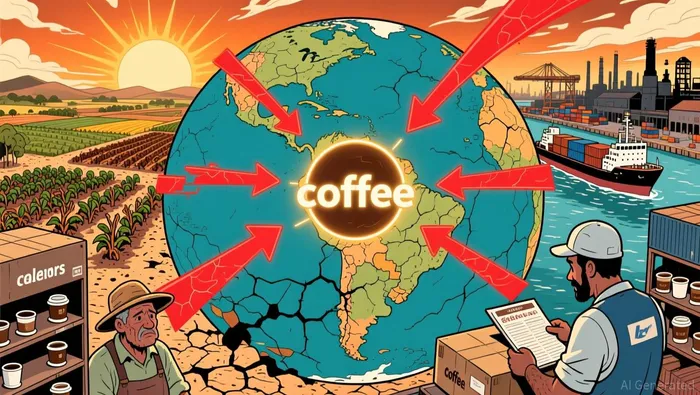 For instance, a drought in Brazil that reduces coffee production might not only spike coffee prices but also raise costs for related industries, like food and beverage companies861091-- reliant on coffee as an ingredient.
Application and Strategies
Investors can leverage these relationships to identify opportunities and manage risk. For example: 1. Diversification Across Linked Commodities: If oil prices are expected to rise, investors might hedge by investing in energy stocks861070-- or oil futures, while also considering how higher energy costs could impact other sectors like shipping or manufacturing. 2. Monitoring Supply Chain Indicators: Tracking metrics like freight rates, port congestion data, or commodity-specific indices (e.g., the Baltic Dry Index for shipping) can provide early warnings of disruptions. 3. Sector Rotation: During periods of supply chain stress, investors might shift toward commodities with inelastic demand (e.g., gold during inflation) or those critical to recovery efforts (e.g., lumber during post-pandemic housing booms).
Case Study: The 2020-2021 Pandemic Disruptions
The COVID-19 pandemic offers a vivid example of cross-commodity dynamics. In early 2020, oil prices plummeted due to lockdowns reducing demand, while agricultural commodities like wheat and corn initially surged as panic buying increased. However, as supply chains faltered (e.g., labor shortages in food processing), prices for both energy and food converged upward. By mid-2021, lumber prices in the U.S. had spiked by over 300% due to a combination of low inventory, increased home-building demand, and shipping delays. Investors who recognized these interconnected pressures could have positioned themselves in sectors poised to benefit (e.g., home improvement retailers) or hedged against volatility using futures contracts.
Risks and Considerations
While cross-commodity relationships offer insights, they also carry risks. Overreliance on historical correlations can lead to misjudgments if market conditions shift. For example, the green energy transition may decouple oil and coal861111-- prices as demand for renewables grows. Additionally, supply chain disruptions are often unpredictable, making it hard to time investments. To mitigate these risks, investors should: - Conduct Thorough Research: Analyze both macroeconomic trends and granular supply-demand imbalances. - Diversify Portfolios: Avoid overexposure to a single commodity or sector. - Use Derivatives Wisely: Futures, options, or commodity ETFs can hedge against price swings without requiring direct ownership.
Conclusion
Understanding cross-commodity relationships and supply chain dynamics is crucial for navigating commodity markets. By monitoring how disruptions in one area affect others, investors can anticipate price trends and make strategic decisions. Whether through diversification, hedging, or sector rotation, the key lies in recognizing that commodities are deeply interconnected. As global markets continue to evolve, staying informed about these relationships will remain a vital tool for any investor.

Stay ahead of the market.
Get curated U.S. market news, insights and key dates delivered to your inbox.


AInvest
PRO
AInvest
PRO



Comments
No comments yet