
How to Analyze Supply-Side Catalysts in Resource Stocks: A Case Study in Phosphate Industry Opportunities
 Aime Summary
For investors interested in resource-based industries, understanding supply-side catalysts is essential. These are events or changes that affect the supply of a particular resource and can significantly influence the price of related stocks. In this article, we’ll explore how to analyze supply-side catalysts, using the phosphate industry as a case study. We’ll also provide actionable insights for investors looking to capitalize on these opportunities.Why Supply-Side Catalysts MatterPhosphates are a critical component in agricultural fertilizers and are essential for global food production. The phosphate market, like many resource markets, is sensitive to changes in supply. A supply-side catalyst could include a mine shutdown, a geopolitical disruption, or new regulations affecting mining output. These events can tighten supply, increase prices, and boost the profitability of companies in the sector.How to Analyze Supply-Side Catalysts1. Monitor Production Levels: Keep track of how much phosphate is being produced globally. A decline in production from a major producer can signal a tightening supply.2. Assess Regulatory Changes: Governments often regulate resource extraction. Changes in policy can either limit or boost supply.3. Watch for Geopolitical Shifts: Conflicts or trade disputes in key phosphate-producing regions can disrupt supply chains.4. Evaluate Environmental Factors: Natural disasters or environmental regulations can impact mining operations and output.5. Follow Industry News and Reports: Look for press releases, industry reports, and expert analyses to stay informed about potential catalysts.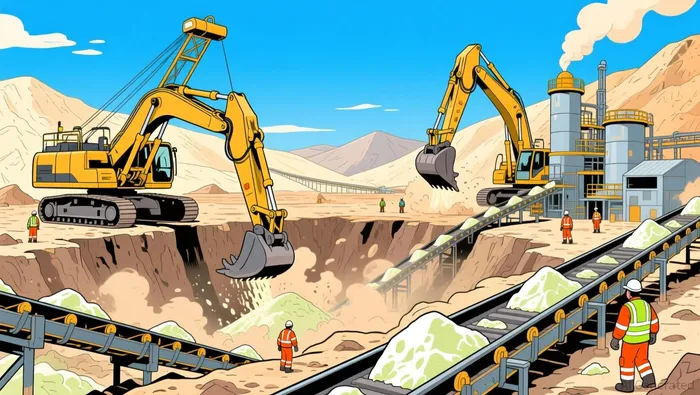 Strategies for InvestorsOnce you’ve identified a supply-side catalyst, consider the following investment strategies:- Buy Shares in Leading Producers: If a supply disruption is expected, consider investing in companies with strong production capabilities and cost efficiency.- Diversify Across the Supply Chain: Consider companies involved in phosphate processing, logistics, or end-use products.- Use Options for Hedging or Leverage: Options can offer flexibility to benefit from price swings without committing to large positions.Case Study: The Moroccan Phosphate MarketMorocco is one of the world’s largest phosphate producers, supplying more than 30% of the global market. In 2022, geopolitical tensions in North Africa led to concerns over phosphate exports from Morocco. At the same time, environmental regulations were being introduced to slow phosphate mining in some regions. These supply-side catalysts led to a global shortage of phosphate and a sharp rise in prices. As a result, companies like OCP (OCP SA), a Moroccan state-owned phosphate producer, saw a significant increase in revenue and stock price.This example shows how external factors impacting supply can directly affect stock performance in the resource sector.Risks and ConsiderationsWhile supply-side catalysts can create investment opportunities, they also carry risks. Prices can be volatile, and not all catalysts lead to long-term gains. Investors should:- Conduct thorough research into the company's financial health and operational strength.- Diversify across sectors to manage risk.- Consider the long-term sustainability of the resource in question.- Have a clear exit strategy in place to manage potential downside.ConclusionUnderstanding supply-side catalysts is a powerful tool for investors in the resource sector. By analyzing how events affect supply, investors can spot opportunities before they become widely recognized. The phosphate industry provides a clear example of how a shift in supply can drive market movements and impact stock performance. With careful analysis and a well-planned strategy, investors can position themselves to benefit from these dynamics.

Stay ahead of the market.
Get curated U.S. market news, insights and key dates delivered to your inbox.


AInvest
PRO
AInvest
PRO



Comments
No comments yet