
How to Analyze Sector Shifts: Demand Diversification vs. Input Cost Volatility
 Aime Summary
Understanding how different sectors perform over time is essential for investors looking to build resilient portfolios. One key aspect of sector analysis involves comparing the stability of demand for a 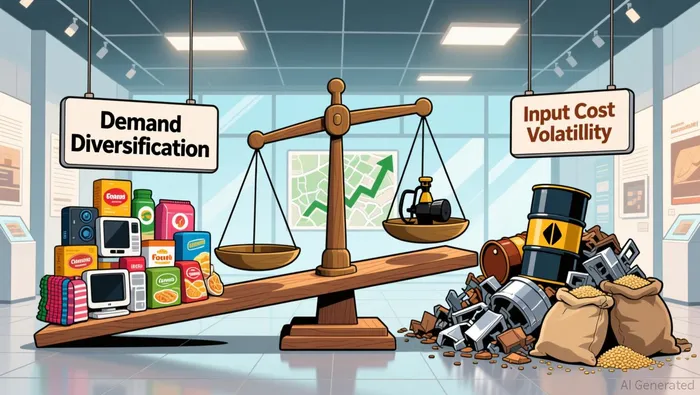 sector's products or services with the volatility of the costs required to produce them. This article explores how investors can analyze sector shifts by focusing on two critical factors: demand diversification and input cost volatility.
What Are Demand Diversification and Input Cost Volatility?
Demand diversification refers to how widespread and varied the demand is for a sector's offerings. Sectors with broad and diverse demand are less vulnerable to economic downturns or sector-specific shocks. For example, the healthcare sector861075-- tends to have steady demand regardless of the economy, because people need medical care consistently.
Input cost volatility, on the other hand, refers to how much the costs of producing goods or services in a sector can fluctuate. Energy-intensive sectors like manufacturing or transportation861085-- may face high input cost volatility due to factors such as oil prices or commodity costs. These costs can rise suddenly, squeezing profit margins and affecting stock prices.
Why This Matters to Investors
Sector shifts—changes in which industries are performing best—can have a major impact on investment returns. Sectors with high demand and low input cost volatility tend to offer more consistent returns and lower risk. Conversely, sectors with volatile inputs or narrow demand may experience sharp swings in performance, especially during economic uncertainty.
By comparing these two factors, investors can better understand which sectors might be more resilient or which could offer higher growth potential depending on the market environment.
Strategies for Investors
1. Diversify Across Sectors: A well-balanced portfolio should include a mix of sectors with different levels of demand and input cost volatility. For example, pairing a utility company (high demand, low cost volatility) with a technology firm (moderate demand, moderate cost volatility) can create a more stable investment.
2. Monitor Sector Trends: Keep an eye on how demand patterns and input costs are changing. For instance, if a sector is becoming more reliant on a single type of supplier or resource, it may be more vulnerable to shocks.
3. Use Sector Rotation: Some investors shift money between sectors based on the economic cycle. For example, during inflationary periods, sectors with inelastic demand (like healthcare861075-- or utilities) may outperform those with volatile input costs.
Case Study: The Energy Sector in 2022
In 2022, the energy sector861070-- experienced a major shift due to global supply chain disruptions and rising demand for energy. While the demand for energy remained strong, the cost of oil and gas861002-- inputs spiked dramatically due to geopolitical tensions and supply constraints. This led to high volatility in energy stock prices. Some energy companies861070-- thrived by increasing production, while others struggled to pass on rising costs to consumers.
For investors, the sector performed well overall, but those who had a deep understanding of the sector’s demand and cost dynamics were better positioned to make informed decisions.
Risks and Considerations
While analyzing sector shifts can be valuable, it's not without risks. Over-reliance on a single sector can expose your portfolio to unexpected shocks. Additionally, the factors that influence a sector today can change quickly—such as through new technologies or regulatory shifts.
To mitigate these risks, investors should:- Conduct thorough research before making sector-based decisions.- Regularly reassess their portfolio in light of changing economic conditions.- Consider consulting with a financial advisor to help interpret sector trends.
sector's products or services with the volatility of the costs required to produce them. This article explores how investors can analyze sector shifts by focusing on two critical factors: demand diversification and input cost volatility.
What Are Demand Diversification and Input Cost Volatility?
Demand diversification refers to how widespread and varied the demand is for a sector's offerings. Sectors with broad and diverse demand are less vulnerable to economic downturns or sector-specific shocks. For example, the healthcare sector861075-- tends to have steady demand regardless of the economy, because people need medical care consistently.
Input cost volatility, on the other hand, refers to how much the costs of producing goods or services in a sector can fluctuate. Energy-intensive sectors like manufacturing or transportation861085-- may face high input cost volatility due to factors such as oil prices or commodity costs. These costs can rise suddenly, squeezing profit margins and affecting stock prices.
Why This Matters to Investors
Sector shifts—changes in which industries are performing best—can have a major impact on investment returns. Sectors with high demand and low input cost volatility tend to offer more consistent returns and lower risk. Conversely, sectors with volatile inputs or narrow demand may experience sharp swings in performance, especially during economic uncertainty.
By comparing these two factors, investors can better understand which sectors might be more resilient or which could offer higher growth potential depending on the market environment.
Strategies for Investors
1. Diversify Across Sectors: A well-balanced portfolio should include a mix of sectors with different levels of demand and input cost volatility. For example, pairing a utility company (high demand, low cost volatility) with a technology firm (moderate demand, moderate cost volatility) can create a more stable investment.
2. Monitor Sector Trends: Keep an eye on how demand patterns and input costs are changing. For instance, if a sector is becoming more reliant on a single type of supplier or resource, it may be more vulnerable to shocks.
3. Use Sector Rotation: Some investors shift money between sectors based on the economic cycle. For example, during inflationary periods, sectors with inelastic demand (like healthcare861075-- or utilities) may outperform those with volatile input costs.
Case Study: The Energy Sector in 2022
In 2022, the energy sector861070-- experienced a major shift due to global supply chain disruptions and rising demand for energy. While the demand for energy remained strong, the cost of oil and gas861002-- inputs spiked dramatically due to geopolitical tensions and supply constraints. This led to high volatility in energy stock prices. Some energy companies861070-- thrived by increasing production, while others struggled to pass on rising costs to consumers.
For investors, the sector performed well overall, but those who had a deep understanding of the sector’s demand and cost dynamics were better positioned to make informed decisions.
Risks and Considerations
While analyzing sector shifts can be valuable, it's not without risks. Over-reliance on a single sector can expose your portfolio to unexpected shocks. Additionally, the factors that influence a sector today can change quickly—such as through new technologies or regulatory shifts.
To mitigate these risks, investors should:- Conduct thorough research before making sector-based decisions.- Regularly reassess their portfolio in light of changing economic conditions.- Consider consulting with a financial advisor to help interpret sector trends.
Conclusion Understanding sector shifts through the lens of demand diversification and input cost volatility can help investors make more informed decisions. By evaluating how much demand is spread across different industries and how stable production costs are, investors can identify opportunities and risks in the stock market. Whether you're a long-term investor or someone looking to rotate assets based on market conditions, this framework offers a valuable way to analyze and respond to sector movements in a strategic and thoughtful manner.

Stay ahead of the market.
Get curated U.S. market news, insights and key dates delivered to your inbox.


AInvest
PRO
AInvest
PRO



Comments
No comments yet