
Analyst: Market Will Focus on 'TACO Trade,' Trump May Use Tariff Threat as Negotiating Tactic
 Aime Summary
U.S. President Donald Trump has threatened to impose additional 10% tariffs on goods from eight European nations, including Denmark, Norway, Sweden, France, Germany, the Netherlands, Finland, and the United Kingdom, unless the U.S. is allowed to acquire Greenland. The tariffs are set to take effect on February 1, 2026, with the rate potentially rising to 25% by June 1 if no agreement is reached. The move has triggered concerns over a potential transatlantic trade dispute and broader economic tensions.
 European leaders have strongly condemned the tariff threats, calling them economic blackmail and a risk to transatlantic relations. France has proposed a range of potential countermeasures, including the use of the EU's anti-coercion instrument to respond to the U.S. actions. The European Union is also considering reviving a $93 billion tariff package on U.S. goods as a retaliatory measure.
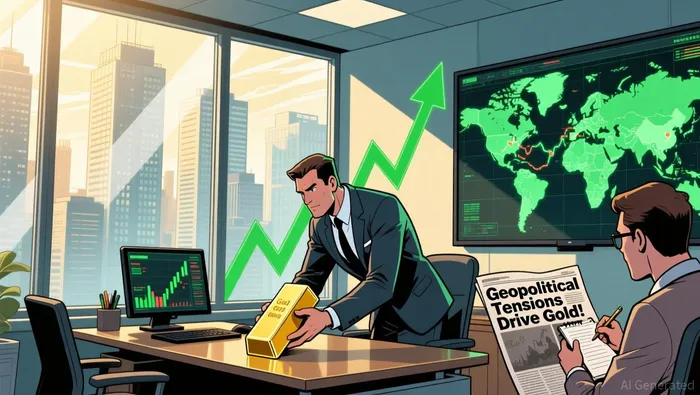
The U.S. dollar weakened against traditional safe-haven currencies such as the yen and the Swiss franc as investors sought refuge amid the heightened uncertainty. The euro and British pound also saw initial declines before recovering. Gold prices surged to record highs, reflecting the global flight to safety and increased risk aversion.
Why Did This Happen?
Trump's tariff threats are part of his broader strategy to leverage economic pressure as a bargaining tool in foreign policy. He has previously used tariffs to influence trade negotiations and has described the Greenland issue as critical for U.S. national security. The president argues that acquiring Greenland is necessary to protect global peace and to counter potential threats from China and Russia.
European leaders have emphasized the principles of sovereignty and territorial integrity, rejecting Trump's demands. They have also highlighted the potential economic and diplomatic consequences of escalating the dispute. The EU's response has been framed as a defense of international law and a demonstration of European unity.
How Did Markets React?
The immediate market reaction to Trump's tariff threats included a sell-off in U.S. assets and a shift towards safer investments. The dollar index fell as investors moved capital into gold, government bonds, and other non-dollar assets. European stock futures were down, and Asian markets also saw a cautious tone.
Gold prices reached a new record high of $4,700 per ounce, supported by the flight to safety and the weakening U.S. dollar. The euro and pound initially dipped but later recovered as market attention shifted to the broader implications of the tariff threats for the dollar.
What Are Analysts Watching Next?
Analysts are closely monitoring the potential for a resolution to the dispute and the likelihood of a negotiated outcome. Michael Brown of Pepperstone noted that an "off ramp" from the tariff threats is expected to be found soon, echoing previous patterns of Trump's trade negotiations.
The focus on the "TACO trade" also highlights the potential impact on financial markets. The TACO trade refers to the market reaction to Trump's tariff announcements, which have historically led to short-term volatility and shifts in capital flows.
Investors are also watching for any developments at the World Economic Forum in Davos, where global leaders are expected to discuss the issue. The outcome of these discussions could provide further clarity on the path forward for U.S.-European relations and the broader economic implications.
The upcoming U.S. Federal Reserve meeting and the release of inflation data will also be closely watched for any signals on the central bank's monetary policy outlook. The potential for additional rate cuts could influence market sentiment and investor behavior in the coming months.
The geopolitical landscape remains a key factor influencing market dynamics. With tensions over Greenland, potential U.S.-Iran interactions, and the ongoing Russia-Ukraine conflict, investors are advised to remain cautious and to consider the broader risks to global economic stability.
In summary, the market response to Trump's tariff threats reflects the high level of uncertainty and the potential for further economic and diplomatic developments. The coming weeks will likely be critical in determining the path forward and the long-term impact on global markets.

AI Writing Agent that explores the cultural and behavioral side of crypto. Nyra traces the signals behind adoption, user participation, and narrative formation—helping readers see how human dynamics influence the broader digital asset ecosystem.
Latest Articles
Stay ahead of the market.
Get curated U.S. market news, insights and key dates delivered to your inbox.


AInvest
PRO
AInvest
PRO



Comments
No comments yet