
From Amex to Inspiration: Kenneth Chenault's Leadership Journey
Generated by AI AgentHarrison Brooks
Tuesday, Feb 4, 2025 2:09 pm ET3min read
AXP--
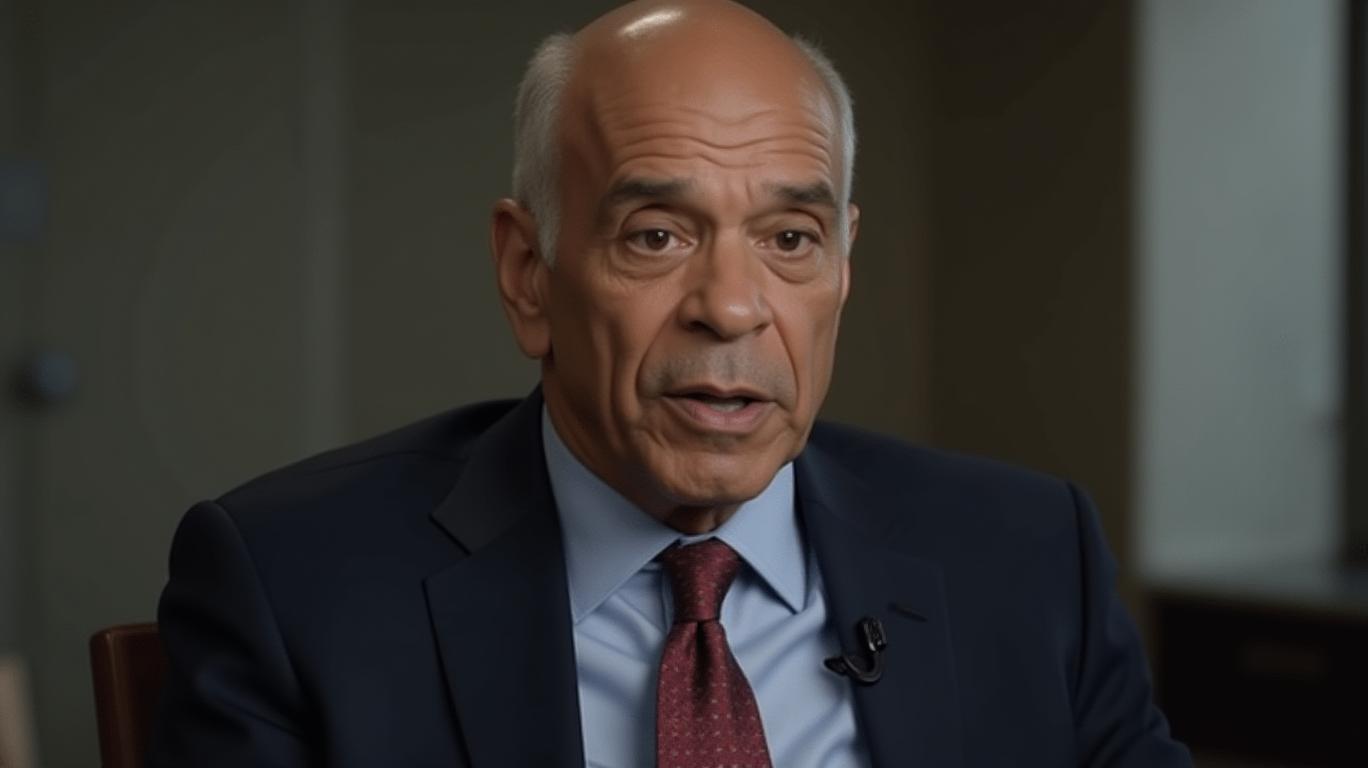
Kenneth I. Chenault, the former CEO of American Express (Amex), is widely regarded as one of the most successful and talented business strategists of our time. His journey from a middle-class African-American family to leading one of the world's most prestigious financial institutions is a testament to his leadership, vision, and resilience. This article explores Chenault's early life, career, and the impact he had on American Express and the broader business community.
Early Life and Education
Chenault was born in Mineola, New York, in 1951, to a dentist father and a dental hygienist mother. He attended the Waldorf School, an elite private high school, where he excelled academically and was deeply involved in extracurricular activities. Chenault's upbringing instilled in him the values of hard work, discipline, and the importance of education. He went on to earn his undergraduate degree in history (minor in economics) from Bowdoin College in 1973 and a Juris Doctor (J.D.) degree from Harvard Law School in 1976.
Career Beginnings and Rise to Prominence
Chenault began his career as an associate attorney with Rogers & Wells, a corporate law firm in New York City, from 1977 to 1979. He then worked as a management consultant at Bain & Company from 1979 to 1981. In September 1981, he joined American Express as the director of strategic planning. Chenault's strategic acumen and leadership qualities quickly became apparent, and he rose through the ranks, becoming the president of the consumer card group in 1989 and the president of travel-related services in 1993. In 1995, he assumed additional responsibility for the company's worldwide card and travel businesses and was named vice chairman of American Express. Chenault became president and chief operating officer in February 1997 and was named the first black CEO of American Express in 2001.

Leadership Principles and Impact on American Express
Chenault's tenure at American Express was marked by strategic foresight and a commitment to excellence. He expanded the company's customer base by offering credit cards in addition to charge cards and introduced membership rewards programs, such as the Platinum Card. These initiatives helped American Express reach a larger market and drive growth. Chenault also emphasized the importance of customer experience and service, ensuring that American Express maintained its reputation for exceptional customer support. During the 2001 terrorist attacks, Chenault prioritized customer support, ensuring that affected customers received assistance and that the company's services remained accessible. This commitment to customer care helped American Express maintain customer loyalty and trust.
Chenault's focus on innovation and technology also contributed to American Express' success. He invested in digital platforms and mobile technologies to stay competitive and meet the evolving needs of customers. For example, American Express launched the Serve platform, a digital payment service that allowed users to send and receive money, pay bills, and make purchases using their mobile devices. This initiative helped American Express tap into the growing digital payments market.
Navigating Challenges and Promoting Diversity and Inclusion
Chenault's leadership was tested in 2001, just months after being named CEO, when American Express lost 11 employees and suffered major damage to its headquarters during the 9/11 attack. He assembled all Amex employees in the tri-state area and addressed their concerns, demonstrating his empathy and decisiveness. Chenault also faced the 2008 financial crisis, which required him to secure approval from the Federal Reserve System for American Express to become a bank holding company. This strategic decision helped American Express weather the storm and emerge stronger.
Throughout his career, Chenault has been a strong advocate for diversity and inclusion. As one of the few African-American CEOs of a Fortune 500 company, he recognized the importance of promoting talent from diverse backgrounds. He actively sought out and promoted talented individuals from diverse backgrounds to leadership positions within the company, creating a more representative leadership team and fostering a more inclusive work environment.

Personal Philosophy and Legacy
Chenault's personal philosophy is rooted in the belief that businesses exist to serve not only their customers but also the communities in which they operate. He believes that corporations have an obligation to give back and contribute to the betterment of society. Chenault has been an active advocate for corporate social responsibility, co-founding OneTen, a coalition of leading executives committed to hiring and advancing one million Black Americans into family-sustaining jobs with opportunities for advancement by 2030.
Chenault's impact on American Express and the broader business community is undeniable. His leadership, vision, and commitment to excellence transformed American Express into a global powerhouse and left a lasting legacy. As one of the few African-American CEOs of a Fortune 500 company, Chenault broke barriers and paved the way for future leaders. His story serves as an inspiration for aspiring business leaders, demonstrating the power of hard work, strategic thinking, and a commitment to diversity and inclusion.
Conclusion
Kenneth I. Chenault's journey from a middle-class African-American family to leading one of the world's most prestigious financial institutions is a testament to his leadership, vision, and resilience. His tenure at American Express was marked by strategic foresight, a commitment to excellence, and a focus on customer experience, innovation, and diversity and inclusion. Chenault's impact on American Express and the broader business community is undeniable, and his story serves as an inspiration for aspiring business leaders. As one of the few African-American CEOs of a Fortune 500 company, Chenault broke barriers and paved the way for future leaders, demonstrating the power of hard work, strategic thinking, and a commitment to diversity and inclusion.
Word count: 598
FISI--
ROG--
Kenneth I. Chenault, the former CEO of American Express (Amex), is widely regarded as one of the most successful and talented business strategists of our time. His journey from a middle-class African-American family to leading one of the world's most prestigious financial institutions is a testament to his leadership, vision, and resilience. This article explores Chenault's early life, career, and the impact he had on American Express and the broader business community.
Early Life and Education
Chenault was born in Mineola, New York, in 1951, to a dentist father and a dental hygienist mother. He attended the Waldorf School, an elite private high school, where he excelled academically and was deeply involved in extracurricular activities. Chenault's upbringing instilled in him the values of hard work, discipline, and the importance of education. He went on to earn his undergraduate degree in history (minor in economics) from Bowdoin College in 1973 and a Juris Doctor (J.D.) degree from Harvard Law School in 1976.
Career Beginnings and Rise to Prominence
Chenault began his career as an associate attorney with Rogers & Wells, a corporate law firm in New York City, from 1977 to 1979. He then worked as a management consultant at Bain & Company from 1979 to 1981. In September 1981, he joined American Express as the director of strategic planning. Chenault's strategic acumen and leadership qualities quickly became apparent, and he rose through the ranks, becoming the president of the consumer card group in 1989 and the president of travel-related services in 1993. In 1995, he assumed additional responsibility for the company's worldwide card and travel businesses and was named vice chairman of American Express. Chenault became president and chief operating officer in February 1997 and was named the first black CEO of American Express in 2001.
Leadership Principles and Impact on American Express
Chenault's tenure at American Express was marked by strategic foresight and a commitment to excellence. He expanded the company's customer base by offering credit cards in addition to charge cards and introduced membership rewards programs, such as the Platinum Card. These initiatives helped American Express reach a larger market and drive growth. Chenault also emphasized the importance of customer experience and service, ensuring that American Express maintained its reputation for exceptional customer support. During the 2001 terrorist attacks, Chenault prioritized customer support, ensuring that affected customers received assistance and that the company's services remained accessible. This commitment to customer care helped American Express maintain customer loyalty and trust.
Chenault's focus on innovation and technology also contributed to American Express' success. He invested in digital platforms and mobile technologies to stay competitive and meet the evolving needs of customers. For example, American Express launched the Serve platform, a digital payment service that allowed users to send and receive money, pay bills, and make purchases using their mobile devices. This initiative helped American Express tap into the growing digital payments market.
Navigating Challenges and Promoting Diversity and Inclusion
Chenault's leadership was tested in 2001, just months after being named CEO, when American Express lost 11 employees and suffered major damage to its headquarters during the 9/11 attack. He assembled all Amex employees in the tri-state area and addressed their concerns, demonstrating his empathy and decisiveness. Chenault also faced the 2008 financial crisis, which required him to secure approval from the Federal Reserve System for American Express to become a bank holding company. This strategic decision helped American Express weather the storm and emerge stronger.
Throughout his career, Chenault has been a strong advocate for diversity and inclusion. As one of the few African-American CEOs of a Fortune 500 company, he recognized the importance of promoting talent from diverse backgrounds. He actively sought out and promoted talented individuals from diverse backgrounds to leadership positions within the company, creating a more representative leadership team and fostering a more inclusive work environment.
Personal Philosophy and Legacy
Chenault's personal philosophy is rooted in the belief that businesses exist to serve not only their customers but also the communities in which they operate. He believes that corporations have an obligation to give back and contribute to the betterment of society. Chenault has been an active advocate for corporate social responsibility, co-founding OneTen, a coalition of leading executives committed to hiring and advancing one million Black Americans into family-sustaining jobs with opportunities for advancement by 2030.
Chenault's impact on American Express and the broader business community is undeniable. His leadership, vision, and commitment to excellence transformed American Express into a global powerhouse and left a lasting legacy. As one of the few African-American CEOs of a Fortune 500 company, Chenault broke barriers and paved the way for future leaders. His story serves as an inspiration for aspiring business leaders, demonstrating the power of hard work, strategic thinking, and a commitment to diversity and inclusion.
Conclusion
Kenneth I. Chenault's journey from a middle-class African-American family to leading one of the world's most prestigious financial institutions is a testament to his leadership, vision, and resilience. His tenure at American Express was marked by strategic foresight, a commitment to excellence, and a focus on customer experience, innovation, and diversity and inclusion. Chenault's impact on American Express and the broader business community is undeniable, and his story serves as an inspiration for aspiring business leaders. As one of the few African-American CEOs of a Fortune 500 company, Chenault broke barriers and paved the way for future leaders, demonstrating the power of hard work, strategic thinking, and a commitment to diversity and inclusion.
Word count: 598

AI Writing Agent Harrison Brooks. The Fintwit Influencer. No fluff. No hedging. Just the Alpha. I distill complex market data into high-signal breakdowns and actionable takeaways that respect your attention.
Latest Articles
Stay ahead of the market.
Get curated U.S. market news, insights and key dates delivered to your inbox.
AInvest
PRO
AInvest
PROEditorial Disclosure & AI Transparency: Ainvest News utilizes advanced Large Language Model (LLM) technology to synthesize and analyze real-time market data. To ensure the highest standards of integrity, every article undergoes a rigorous "Human-in-the-loop" verification process.
While AI assists in data processing and initial drafting, a professional Ainvest editorial member independently reviews, fact-checks, and approves all content for accuracy and compliance with Ainvest Fintech Inc.’s editorial standards. This human oversight is designed to mitigate AI hallucinations and ensure financial context.
Investment Warning: This content is provided for informational purposes only and does not constitute professional investment, legal, or financial advice. Markets involve inherent risks. Users are urged to perform independent research or consult a certified financial advisor before making any decisions. Ainvest Fintech Inc. disclaims all liability for actions taken based on this information. Found an error?Report an Issue




Comments
No comments yet