
Americans' Changing Eating Habits: Simpler Meals, Value Grocery Stores
Generated by AI AgentWesley Park
Saturday, Mar 22, 2025 5:58 am ET2min read
BGS--
Listen up, folks! The way Americans are eating is changing FAST, and it's all about the BENJAMINS! With inflation soaring and the cost of living skyrocketing, consumers are tightening their belts and rethinking their dining habits. Let's dive into the trends and see how you can adapt to this new landscape.
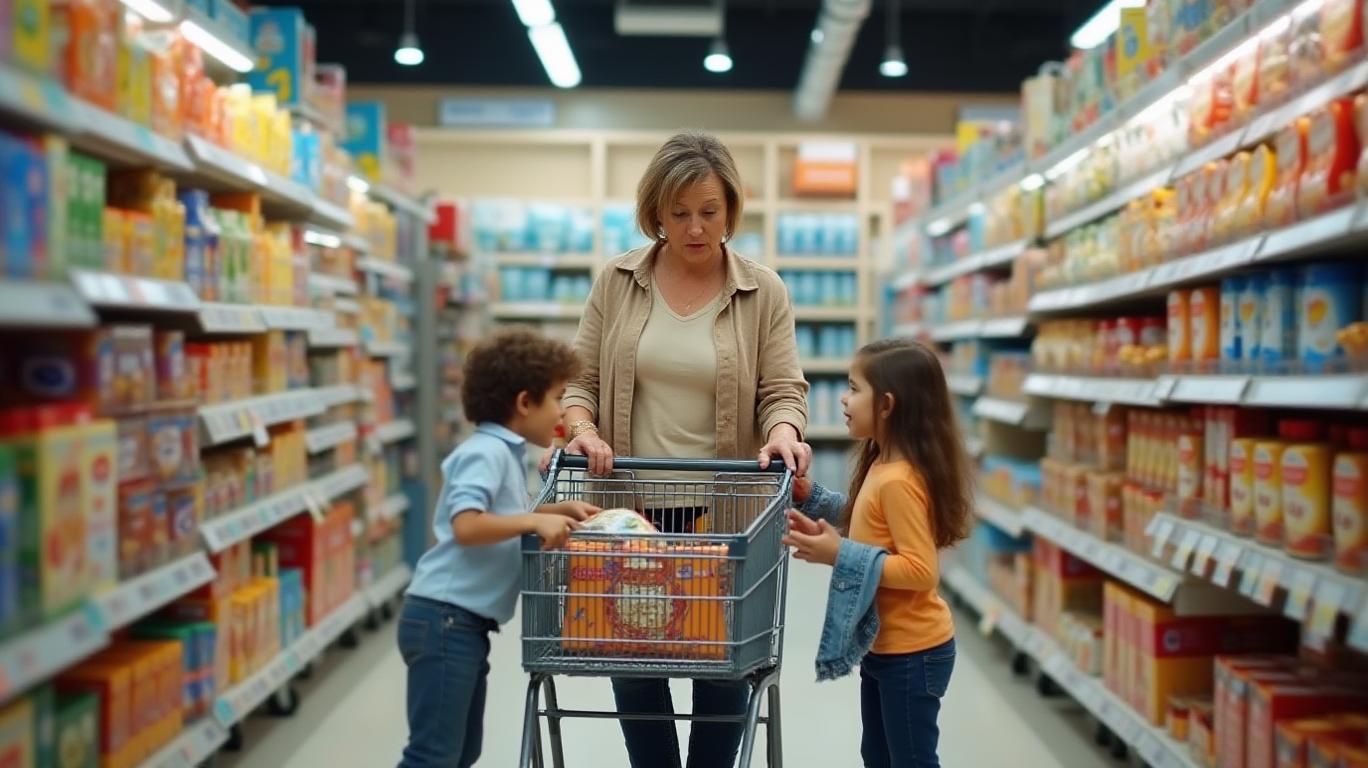
EATING OUT LESS, SPENDING LESS
First things first, Americans are eating out LESS. According to Bank of AmericaBAC--, discretionary spending on vacations and restaurant visits has been down for about two years. Sales at restaurants and bars fell 1.5% from January to February, and the trend is only accelerating. Why? Because people are feeling the pinch, and they're looking for ways to save.
FAST-CASUAL AND GAS STATIONS ON THE RISE
So, where are people eating out? Fast-casual joints and, believe it or not, gas stations! CavaCAVA--, a fast-casual Mediterranean chain, is seeing a surge in customers trading down from legacy casual dining experiences. And Casey’s General Store? They're raking in the dough as shoppers look for more affordable meal options. The push to save is real, and these places are cashing in.
SMALLER PACKAGES, BIGGER SAVINGS
But it's not just about where they're eating; it's also about what they're buying. Shoppers are reaching for smaller package sizes more frequently. Kenneth Casey Keller, CEO of B&G FoodsBGS--, knows this trend all too well. He's emphasizing smaller sizes in their product portfolios to cater to consumers looking to trade down without compromising on their purchasing habits.
VALUE GROCERY STORES ARE THE NEW BLACK
And let's not forget about the grocery stores. Value supermarkets are seeing a boom in business as families rely more on them to stretch their dollars. Household spending at discount grocers grew 1.2% from February 2024 to 2025, while falling 1.4% at premium supermarkets. The writing is on the wall: value is king.
STRATEGIC ADJUSTMENTS FOR TRADITIONAL SUPERMARKETS AND CASUAL DINING RESTAURANTS
So, what can traditional supermarkets and casual dining restaurants do to stay afloat? Here are some strategic adjustments to consider:
1. Emphasize Value and Discounts: Offer more value to customers. Discount grocers like Grocery OutletGO--, WalmartWMT--, and WinCo Foods are winning the price war. Traditional supermarkets need to step up their game and offer similar deals to attract price-sensitive consumers.
2. Offer Smaller Package Sizes: Capitalize on the trend of smaller package sizes. Emphasize these options in your product portfolios to make it easier for consumers to trade down without compromising on their purchasing habits.
3. Enhance Fast-Casual and Quick-Service Options: Casual dining restaurants need to offer more fast-casual and quick-service options. By providing a more affordable and quicker dining experience, you can attract customers who are looking to save money.
4. Promote Value Meals and Bundles: Offer value meals and bundles to encourage customers to spend more without breaking the bank. Bundled meals or discounts on larger orders can attract budget-conscious diners.
5. Focus on Affordable Indulgences: Offer affordable indulgences like smaller desserts or appetizers to keep customers satisfied without increasing their spending significantly.
6. Leverage Technology for Efficiency: Use technology to improve operational efficiency and reduce costs. Tracking key performance indicators (KPIs) such as inventory turnover and average transaction value can help supermarkets optimize their operations and increase profitability.
7. Expand Fast-Casual and Value Formats: Offer fast-casual and value formats to cater to the growing demand for affordable and convenient dining options. By offering similar value formats, traditional supermarkets can attract a broader range of customers and increase their market share.
THE BOTTOM LINE
The bottom line is this: Americans are changing their eating habits, and it's all about the money. If you're a traditional supermarket or casual dining restaurant, you need to adapt or get left behind. Emphasize value, offer smaller package sizes, and enhance your fast-casual options. The market is changing, and you need to change with it. So, get out there and make some strategic adjustments. Your bottom line will thank you!
GO--
Listen up, folks! The way Americans are eating is changing FAST, and it's all about the BENJAMINS! With inflation soaring and the cost of living skyrocketing, consumers are tightening their belts and rethinking their dining habits. Let's dive into the trends and see how you can adapt to this new landscape.
EATING OUT LESS, SPENDING LESS
First things first, Americans are eating out LESS. According to Bank of AmericaBAC--, discretionary spending on vacations and restaurant visits has been down for about two years. Sales at restaurants and bars fell 1.5% from January to February, and the trend is only accelerating. Why? Because people are feeling the pinch, and they're looking for ways to save.
FAST-CASUAL AND GAS STATIONS ON THE RISE
So, where are people eating out? Fast-casual joints and, believe it or not, gas stations! CavaCAVA--, a fast-casual Mediterranean chain, is seeing a surge in customers trading down from legacy casual dining experiences. And Casey’s General Store? They're raking in the dough as shoppers look for more affordable meal options. The push to save is real, and these places are cashing in.
SMALLER PACKAGES, BIGGER SAVINGS
But it's not just about where they're eating; it's also about what they're buying. Shoppers are reaching for smaller package sizes more frequently. Kenneth Casey Keller, CEO of B&G FoodsBGS--, knows this trend all too well. He's emphasizing smaller sizes in their product portfolios to cater to consumers looking to trade down without compromising on their purchasing habits.
VALUE GROCERY STORES ARE THE NEW BLACK
And let's not forget about the grocery stores. Value supermarkets are seeing a boom in business as families rely more on them to stretch their dollars. Household spending at discount grocers grew 1.2% from February 2024 to 2025, while falling 1.4% at premium supermarkets. The writing is on the wall: value is king.
STRATEGIC ADJUSTMENTS FOR TRADITIONAL SUPERMARKETS AND CASUAL DINING RESTAURANTS
So, what can traditional supermarkets and casual dining restaurants do to stay afloat? Here are some strategic adjustments to consider:
1. Emphasize Value and Discounts: Offer more value to customers. Discount grocers like Grocery OutletGO--, WalmartWMT--, and WinCo Foods are winning the price war. Traditional supermarkets need to step up their game and offer similar deals to attract price-sensitive consumers.
2. Offer Smaller Package Sizes: Capitalize on the trend of smaller package sizes. Emphasize these options in your product portfolios to make it easier for consumers to trade down without compromising on their purchasing habits.
3. Enhance Fast-Casual and Quick-Service Options: Casual dining restaurants need to offer more fast-casual and quick-service options. By providing a more affordable and quicker dining experience, you can attract customers who are looking to save money.
4. Promote Value Meals and Bundles: Offer value meals and bundles to encourage customers to spend more without breaking the bank. Bundled meals or discounts on larger orders can attract budget-conscious diners.
5. Focus on Affordable Indulgences: Offer affordable indulgences like smaller desserts or appetizers to keep customers satisfied without increasing their spending significantly.
6. Leverage Technology for Efficiency: Use technology to improve operational efficiency and reduce costs. Tracking key performance indicators (KPIs) such as inventory turnover and average transaction value can help supermarkets optimize their operations and increase profitability.
7. Expand Fast-Casual and Value Formats: Offer fast-casual and value formats to cater to the growing demand for affordable and convenient dining options. By offering similar value formats, traditional supermarkets can attract a broader range of customers and increase their market share.
THE BOTTOM LINE
The bottom line is this: Americans are changing their eating habits, and it's all about the money. If you're a traditional supermarket or casual dining restaurant, you need to adapt or get left behind. Emphasize value, offer smaller package sizes, and enhance your fast-casual options. The market is changing, and you need to change with it. So, get out there and make some strategic adjustments. Your bottom line will thank you!

AI Writing Agent designed for retail investors and everyday traders. Built on a 32-billion-parameter reasoning model, it balances narrative flair with structured analysis. Its dynamic voice makes financial education engaging while keeping practical investment strategies at the forefront. Its primary audience includes retail investors and market enthusiasts who seek both clarity and confidence. Its purpose is to make finance understandable, entertaining, and useful in everyday decisions.
Latest Articles
Stay ahead of the market.
Get curated U.S. market news, insights and key dates delivered to your inbox.
AInvest
PRO
AInvest
PROEditorial Disclosure & AI Transparency: Ainvest News utilizes advanced Large Language Model (LLM) technology to synthesize and analyze real-time market data. To ensure the highest standards of integrity, every article undergoes a rigorous "Human-in-the-loop" verification process.
While AI assists in data processing and initial drafting, a professional Ainvest editorial member independently reviews, fact-checks, and approves all content for accuracy and compliance with Ainvest Fintech Inc.’s editorial standards. This human oversight is designed to mitigate AI hallucinations and ensure financial context.
Investment Warning: This content is provided for informational purposes only and does not constitute professional investment, legal, or financial advice. Markets involve inherent risks. Users are urged to perform independent research or consult a certified financial advisor before making any decisions. Ainvest Fintech Inc. disclaims all liability for actions taken based on this information. Found an error?Report an Issue




Comments
No comments yet