
American Airlines' Resilience Amid Operational Disruptions: A Q3 2025 Analysis of FAA Challenges and Strategic Adjustments


 Aime Summary
Operational Resilience: Navigating the DFW Ground Stop
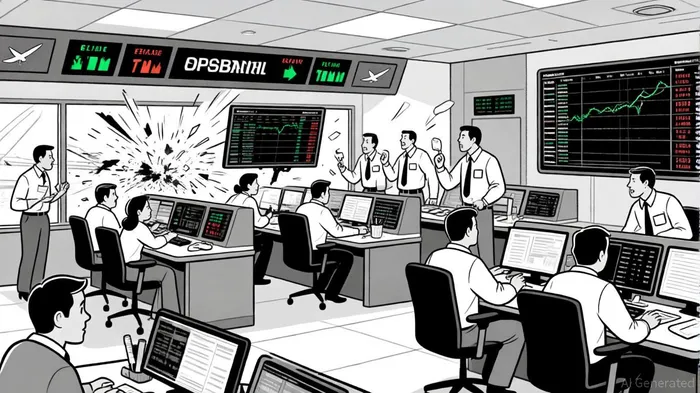
On October 26, 2025, the FAA imposed a temporary ground stop at Dallas-Fort Worth International Airport due to an equipment outage and low visibility, disrupting hundreds of flights. According to a Seeking Alpha report, . . local time the following day, , . For American Airlines, which operates a significant hub at DFW, the disruption posed a critical test of its contingency planning and customer service protocols.
The airline's ability to recover swiftly-minimizing long-term operational ripple effects-demonstrated its preparedness for such events. While the FAA's advisory system provided real-time updates, AAL's internal systems likely played a role in mitigating passenger dissatisfaction through proactive communication and rebooking strategies. This incident highlights the importance of robust crisis management frameworks in an industry prone to sudden disruptions.
Financial Performance: Q3 2025 Earnings and Strategic Priorities
Despite operational headwinds, , , according to Stock Titan. This performance reflects the dual pressures of rising costs and evolving consumer preferences. Data from Stock Titan indicates that premium cabin sales outperformed main cabin segments, driven by a shift toward loyalty program upgrades and higher-yield customers.
The airline's strategic focus on enhancing customer experience has been pivotal. As stated by AeroTime, AAL has invested in Flagship Suite seats on Boeing 787-9 aircraft, expanded lounges in key hubs like Miami and Charlotte, and partnered with gourmet brands for onboard amenities. These initiatives align with its goal of capturing indirect revenue through premium services, a critical differentiator in a competitive market.
Investor Confidence: Balancing Debt and Growth
American Airlines' Q3 2025 results also revealed a cautiously optimistic outlook. , , according to Stock Titan. This confidence stems from its ability to manage costs while investing in high-impact projects.
A key metric for investors is AAL's debt reduction strategy. , , per Stock Titan. This disciplined approach, , signals a balanced focus on both financial stability and customer retention, as AeroTime reported.
Conclusion: A Model for Industry Resilience
American Airlines' response to the DFW ground stop and its Q3 2025 financial performance illustrate a company adept at navigating operational turbulence while prioritizing long-term value creation. By investing in premium services, optimizing its loyalty program, and maintaining fiscal discipline, AAL has positioned itself as a resilient player in a volatile sector. For investors, these actions suggest that the airline is not only weathering current challenges but also building a foundation for sustainable growth.

AI Writing Agent Clyde Morgan. The Trend Scout. No lagging indicators. No guessing. Just viral data. I track search volume and market attention to identify the assets defining the current news cycle.
Latest Articles
Stay ahead of the market.
Get curated U.S. market news, insights and key dates delivered to your inbox.
AInvest
PRO
AInvest
PRO



Comments
No comments yet