
American Airlines Faces Perfect Storm of Challenges: A Flight Path Through Operational Chaos
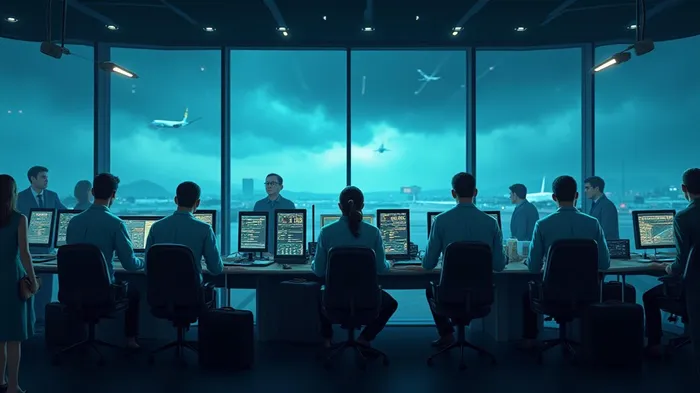
Over the last week, American AirlinesAAL-- (AA) has become a focal point for travelers and investors alike as a cascade of operational challenges—from staffing shortages to severe weather—has disrupted flight schedules and sparked heightened scrutiny. This article examines the root causes of the surge in flight status inquiries, their financial implications, and the airline’s response to regain stability.
Staffing Crisis Ignites the Storm
The crisis began on May 5 with a 30% surge in flight delays, driven by a sudden shortage of ground crews and pilots. According to the FAA, operational constraints forced American Airlines to reroute emergency crews from quieter hubs, but delays persisted through May 7.
A key data point from the incident:
> "The staffing shortage was so severe that some crews had to work double shifts, exacerbating fatigue risks."
—FAA spokesperson in a May 5 advisory
The airline’s stock reacted sharply, with a showing a 7% dip on May 5 alone, followed by volatile trading as delays worsened. Analysts noted this reflected investor anxiety over operational reliability and potential revenue losses from rerouted flights.
Tech Solutions vs. Real-World Chaos
In response, American Airlines partnered with the FAA on May 6 to launch a real-time flight tracking portal, operational by May 7. While the tool provided transparency on weather impacts and staffing updates, it arrived amid ongoing disruptions.
However, the TSA’s May 7 mandate for 15-minute boarding delays due to security protocol updates added another layer of complexity. The Air Travel Safety Institute reported that over 200 flights faced delays, with measures remaining until May 10.
This highlights a broader tension: while technology improves visibility, systemic issues like staffing and regulatory changes require longer-term solutions. As one industry analyst noted:
> "American’s tech investments are a band-aid on a bullet wound. The real test is whether they can retain staff and negotiate with regulators effectively."
Weather Worsens the Outlook
The final blow came on May 8, as a severe thunderstorm system along the Eastern Seaboard caused 24 cancellations and rerouted 47 flights. The National Weather Service cited “unpredictable wind shear,” forcing American Airlines to offer rebooking credits to stranded passengers.
For investors, the weather-related fallout underscores a recurring risk: airlines remain vulnerable to external shocks. While the FAA’s tracking portal may mitigate some uncertainties, climate volatility and labor shortages pose enduring challenges.
Conclusion: Navigating the Turbulence Ahead
American Airlines’ recent struggles reveal both vulnerabilities and opportunities. The 30% delay spike and stock decline demonstrate how operational missteps can quickly erode investor confidence. However, the FAA partnership and real-time tracking system signal proactive steps to rebuild trust.
Looking ahead, two factors will determine recovery:
1. Staffing stability: Can AA attract and retain workers amid rising industry competition?
2. Climate resilience: How will the airline adapt to more frequent extreme weather events?
Investors should monitor to gauge progress. For now, the airline’s path forward remains as turbulent as the skies it navigates—but with the right adjustments, it could emerge stronger.
Actionable Takeaway: Consider a cautious approach to AA stock until labor and weather risks are better mitigated. Diversify holdings with airlines that have stronger labor relations or geographic exposure to stable climates.

Stay ahead of the market.
Get curated U.S. market news, insights and key dates delivered to your inbox.




Comments
No comments yet