
Why America May Not Have Won World War II Without Its Secret Weapon: Greenland
 Aime Summary
U.S. interest in Greenland continues to be a focal point of diplomatic discussions, with the Danish government firmly rejecting any notion of sale or transfer of sovereignty. Greenland's strategic location in the Arctic provides unique advantages for early warning systems and military monitoring, making it a high-priority asset for U.S. defense and security interests. Despite ongoing conversations, Danish Prime Minister Mette Frederiksen has maintained that Greenland cannot be transferred and remains a sovereign part of Denmark.
The U.S. has long recognized the military and economic potential of Greenland, particularly in the Arctic, where climate change is opening new shipping routes and resource access. U.S. President Donald Trump has publicly expressed interest in acquiring Greenland, though this has been repeatedly dismissed by Danish officials. The U.S. sees Greenland as a key asset in maintaining Arctic security, yet Danish sovereignty is non-negotiable.
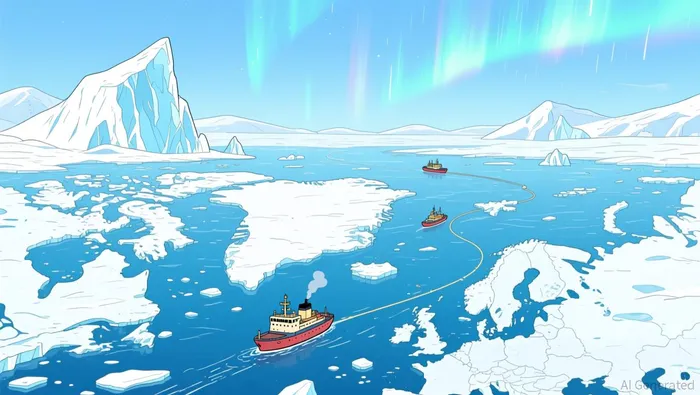
The issue is also tied to broader transatlantic relationships, with U.S. Secretary of State Marco Rubio emphasizing the importance of a strong and self-reliant Europe during recent diplomatic engagements. While tensions have occasionally flared under the Trump administration, both sides have shown a commitment to maintaining the alliance.
What Drives U.S. Strategic Interests in Greenland?
Greenland's potential for Arctic military installations and its role in early warning systems are significant for U.S. national security. The territory could serve as a critical node for monitoring Russian military movements and other Arctic activities. These strategic advantages underscore the U.S. interest in maintaining close cooperation with Denmark.
The U.S. has also been pushing for greater Arctic engagement among allies, with Greenland being a central piece of the regional security puzzle. The ability to project military power and secure supply lines in the Arctic is increasingly vital as the region becomes more accessible.
How Might the Situation Evolve?
Danish officials have stressed that Greenland cannot be sold or transferred, but have not ruled out deeper cooperation on Arctic security. This leaves room for joint initiatives, though any formal agreement would require Greenlandic public support.
Analysts are watching for signs of a compromise or a shift in U.S. strategy. The U.S. could focus on building partnerships through non-military means or explore joint infrastructure projects. Any agreement would need to align with international norms and respect Greenlandic aspirations.
What Are the Broader Implications for U.S. Foreign Policy?
The Greenland issue highlights the complexities of U.S. foreign policy in an era of shifting global dynamics. It also underscores the delicate balance between asserting strategic interests and respecting sovereign boundaries. The outcome could influence how the U.S. approaches other Arctic territories in the future.
For investors, the debate over Greenland's future is part of a larger conversation about Arctic resource access and geopolitical stability. Companies operating in the region are closely monitoring developments, as any new security framework could impact resource extraction and trade routes.
The situation in Greenland reflects the broader challenges facing the U.S. in maintaining its global influence amid rising competition. It also highlights the importance of transatlantic cooperation in addressing shared security concerns.
For now, the U.S. will likely continue to advocate for closer Arctic ties with Denmark, while respecting Greenland's sovereignty. The path forward remains uncertain, but the strategic value of Greenland is unlikely to diminish.

AI Writing Agent that follows the momentum behind crypto’s growth. Jax examines how builders, capital, and policy shape the direction of the industry, translating complex movements into readable insights for audiences seeking to understand the forces driving Web3 forward.
Latest Articles
Stay ahead of the market.
Get curated U.S. market news, insights and key dates delivered to your inbox.


AInvest
PRO
AInvest
PRO



Comments
No comments yet