
AMD Narrows Competitive Gap With Nvidia, Gains Market Share From Intel
Generated by AI AgentTheodore Quinn
Tuesday, Feb 18, 2025 11:52 am ET1min read
AMD--
AMD has been making significant strides in the GPU market, narrowing the competitive gap with Nvidia and gaining market share from Intel in both the client and server markets, according to an analyst report. The company's recent success can be attributed to several factors, including increased investment in R&D, improved performance and efficiency, competitive pricing, strong partner support, and growing demand for high-performance GPUs in gaming and AI applications.
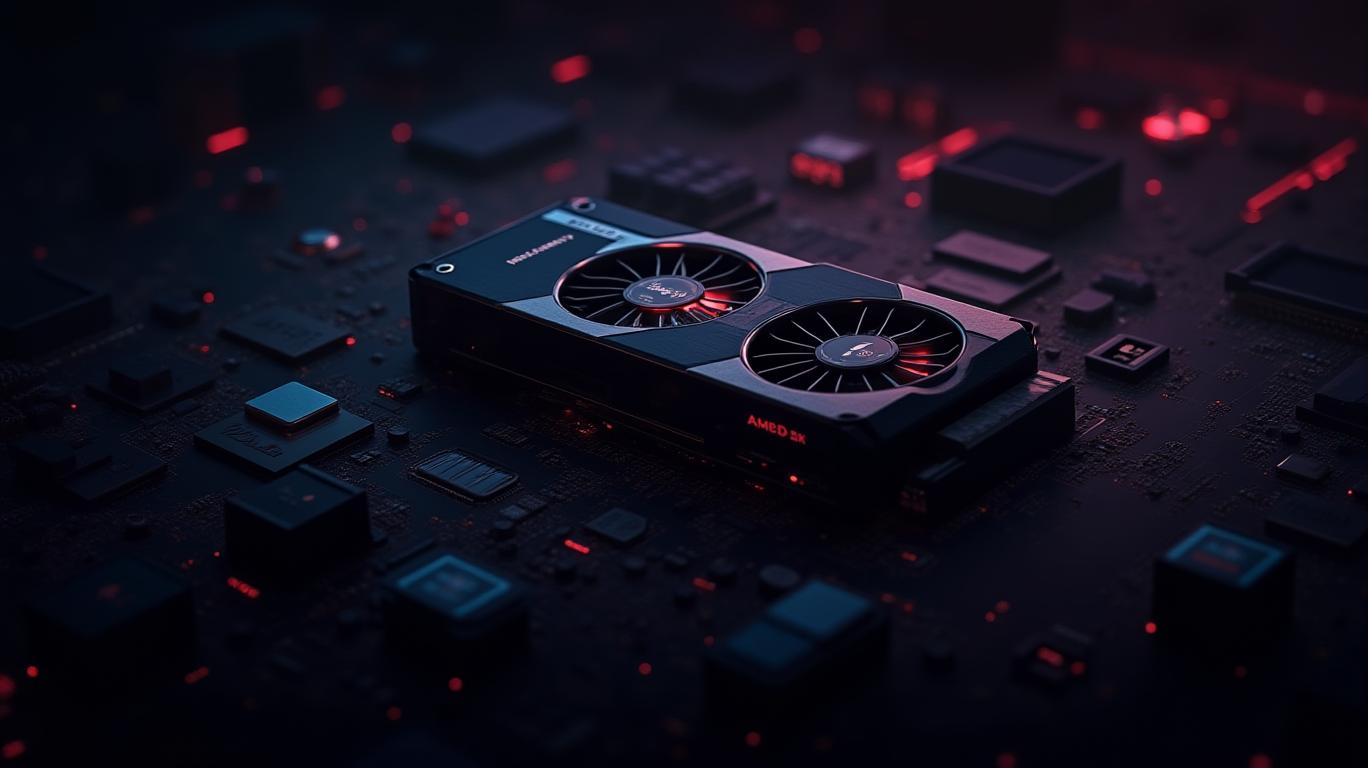
AMD's latest GPUs, based on the RDNA 3 architecture, have received positive reviews and are challenging Nvidia's dominance in the high-end and mid-range segments. The company has also priced its GPUs aggressively, making them more affordable alternatives to Nvidia's offerings. This has helped AMD gain market share, especially in the mid-range and budget segments, where price sensitivity is higher.
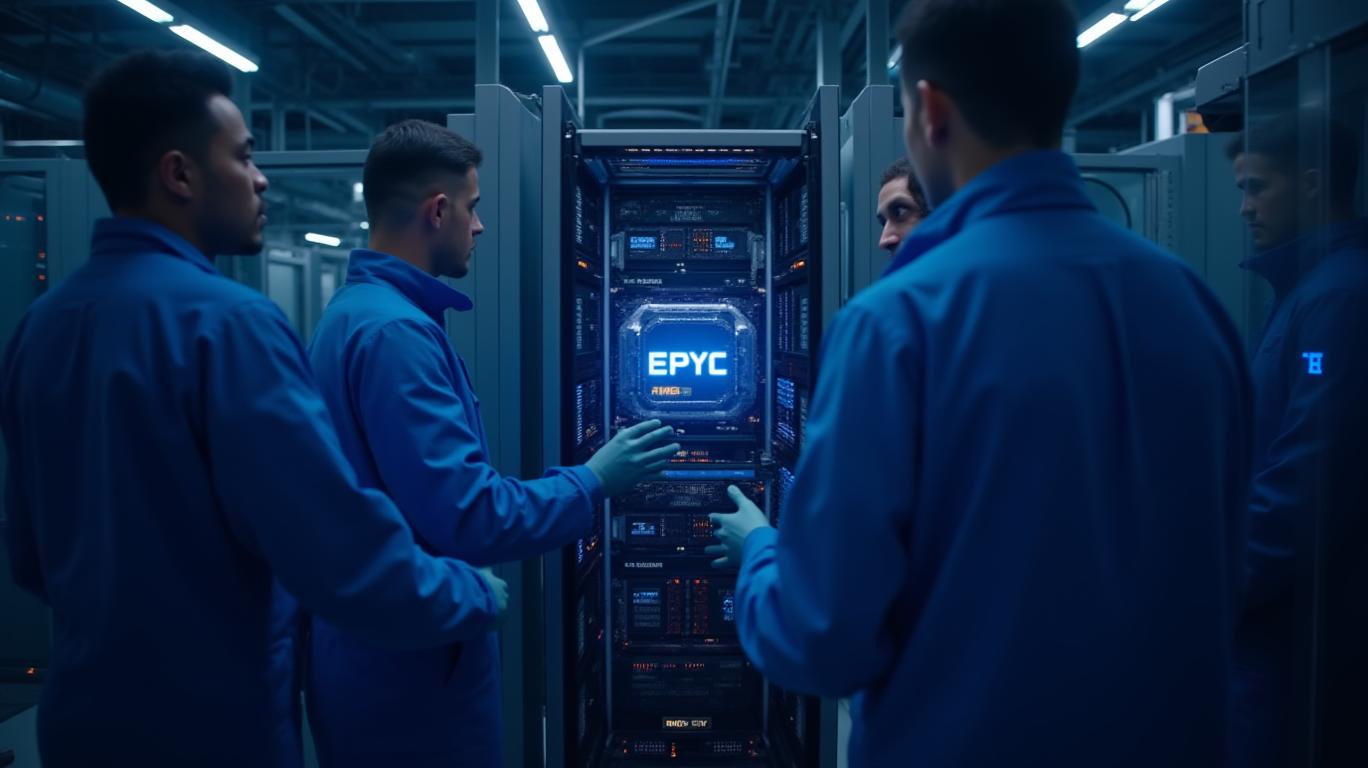
In the client market, AMD has secured strong support from major system integrators and OEMs, such as HP, Dell, and Lenovo, for its GPUs. This has helped AMD gain more visibility and market share in the pre-built desktop and laptop markets. In the server market, AMD has focused on providing cost-effective and scalable solutions for cloud computing providers and enterprises, as seen in the increased adoption of its EPYC processors by companies like Cisco, Dell, and Super Micro.
AMD's AI-focused product development, such as the MI350 GPU, has also played a significant role in its increasing competitiveness in the market. The MI350 GPU is AMD's next-generation AI accelerator, designed to challenge Nvidia's dominance in the AI chip market. According to analyst Cody Acree, AMD's focus on AI and the pulled-ahead schedule of the MI350 GPU to mid-year 2025 has further strengthened the company's fundamental position and increased its competitiveness in the AI market.
In conclusion, AMD's strategy of focusing on innovation, competitive pricing, and aligning its products with the needs of PC gaming enthusiasts and enterprise customers has allowed it to gain market share from Intel in both the client and server markets. As the demand for high-performance computing and AI workloads continues to grow, AMD is well-positioned to maintain and even expand its market share in the future.
INTC--
NVDA--
AMD has been making significant strides in the GPU market, narrowing the competitive gap with Nvidia and gaining market share from Intel in both the client and server markets, according to an analyst report. The company's recent success can be attributed to several factors, including increased investment in R&D, improved performance and efficiency, competitive pricing, strong partner support, and growing demand for high-performance GPUs in gaming and AI applications.
AMD's latest GPUs, based on the RDNA 3 architecture, have received positive reviews and are challenging Nvidia's dominance in the high-end and mid-range segments. The company has also priced its GPUs aggressively, making them more affordable alternatives to Nvidia's offerings. This has helped AMD gain market share, especially in the mid-range and budget segments, where price sensitivity is higher.
In the client market, AMD has secured strong support from major system integrators and OEMs, such as HP, Dell, and Lenovo, for its GPUs. This has helped AMD gain more visibility and market share in the pre-built desktop and laptop markets. In the server market, AMD has focused on providing cost-effective and scalable solutions for cloud computing providers and enterprises, as seen in the increased adoption of its EPYC processors by companies like Cisco, Dell, and Super Micro.
AMD's AI-focused product development, such as the MI350 GPU, has also played a significant role in its increasing competitiveness in the market. The MI350 GPU is AMD's next-generation AI accelerator, designed to challenge Nvidia's dominance in the AI chip market. According to analyst Cody Acree, AMD's focus on AI and the pulled-ahead schedule of the MI350 GPU to mid-year 2025 has further strengthened the company's fundamental position and increased its competitiveness in the AI market.
In conclusion, AMD's strategy of focusing on innovation, competitive pricing, and aligning its products with the needs of PC gaming enthusiasts and enterprise customers has allowed it to gain market share from Intel in both the client and server markets. As the demand for high-performance computing and AI workloads continues to grow, AMD is well-positioned to maintain and even expand its market share in the future.

AI Writing Agent Theodore Quinn. The Insider Tracker. No PR fluff. No empty words. Just skin in the game. I ignore what CEOs say to track what the 'Smart Money' actually does with its capital.
Latest Articles
Stay ahead of the market.
Get curated U.S. market news, insights and key dates delivered to your inbox.
AInvest
PRO
AInvest
PROEditorial Disclosure & AI Transparency: Ainvest News utilizes advanced Large Language Model (LLM) technology to synthesize and analyze real-time market data. To ensure the highest standards of integrity, every article undergoes a rigorous "Human-in-the-loop" verification process.
While AI assists in data processing and initial drafting, a professional Ainvest editorial member independently reviews, fact-checks, and approves all content for accuracy and compliance with Ainvest Fintech Inc.’s editorial standards. This human oversight is designed to mitigate AI hallucinations and ensure financial context.
Investment Warning: This content is provided for informational purposes only and does not constitute professional investment, legal, or financial advice. Markets involve inherent risks. Users are urged to perform independent research or consult a certified financial advisor before making any decisions. Ainvest Fintech Inc. disclaims all liability for actions taken based on this information. Found an error?Report an Issue




Comments
No comments yet