
AMD Makes Big OpenAI Deal, Intel Unveils 2nm Server CPU from Fab 52
ByAinvest
Tuesday, Oct 14, 2025 11:40 am ET2min read
AMD--
The partnership is more than just a supply contract. It represents a strategic commitment that will see OpenAI integrate 6 GW of AMD Instinct GPUs into its expansive AI infrastructure. The initial deployment, scheduled for the second half of 2026, will involve 1 GW of AMD Instinct MI450 GPUs and associated rack-scale systems. This deal also includes an innovative equity arrangement where OpenAI is granted a performance-based warrant for up to 160 million shares of AMD common stock, exercisable at a nominal price. The vesting of these shares is tied to operational and financial milestones, aligning the long-term interests of both companies.
The market's reaction to this deal has been overwhelmingly positive. Following the announcement, AMD stock surged by 24% on October 7, 2025, and subsequently rose over 2% to $219.57 on October 13, contributing to a remarkable year-to-date gain of nearly 84% for AMD's stock. Mizuho's increased price target reflects the market's confidence in AMD's long-term AI strategy and its competitive prowess in the high-stakes AI accelerator market.
This partnership is set to reshape the competitive dynamics within the AI chip market. AMD's multi-gigawatt commitment from OpenAI provides substantial validation for its Instinct GPU roadmap and its open-source ROCm software stack. This deal not only guarantees substantial, long-term revenue streams but also elevates AMD's credibility as a viable alternative to the incumbent leader in AI accelerators, Nvidia (NASDAQ: NVDA).
Nvidia, which has long held a near-monopoly on data center GPU shipments, faces its most significant competitive challenge yet. OpenAI's decision to partner with AMD, and to gain deep access to its open-source ROCm stack, reflects a strategic imperative to reduce vendor lock-in and foster a more competitive hardware environment. This move could inspire other major AI players to explore alternative hardware solutions, fostering a healthier, more competitive ecosystem.
Intel (NASDAQ: INTC), another perennial competitor in the semiconductor space, has also been impacted by this deal. Intel's AI chip strategy, including its Gaudi accelerators, will need to accelerate innovation to compete effectively. In response, Intel has reportedly deepened its ties with Nvidia, announcing a strategic collaboration in September to develop AI infrastructure and personal computing products. This alliance aims to leverage Nvidia's AI software expertise and Intel's hardware footprint, suggesting a defensive yet strategic maneuver to retain and recapture market share in the rapidly evolving AI landscape.
The AMD-OpenAI partnership also has broader implications for the semiconductor supply chain. Suppliers of High Bandwidth Memory (HBM) and advanced chip packaging technologies, such as Samsung (KRX: 005930), are poised to benefit from the increased demand for advanced components. Furthermore, the partnership highlights a growing trend towards custom silicon, with OpenAI collaborating with Broadcom (NASDAQ: AVGO) on its own custom chips. This indicates that specialized or cost-effective solutions from smaller AI chip companies could also find new opportunities.
Cloud providers, including Microsoft (NASDAQ: MSFT) and Oracle (NYSE: ORCL), are also strategically impacted. The AMD-OpenAI deal encourages these providers to diversify their AI hardware offerings beyond Nvidia, providing more choices to their customers and reducing their own dependency on a single GPU vendor. The massive 6-gigawatt deployment commitment also implies multi-billion dollar investments in data center infrastructure, benefiting companies involved in construction, power, and cooling solutions.
Ultimately, the AMD-OpenAI partnership signals a significant shift in the AI chip market. It underscores the accelerating pace of innovation and strategic recalibration within the broader artificial intelligence and semiconductor industries. This event encapsulates several overarching trends that are defining the current technological era, including the insatiable demand for AI compute power, the shift towards diversification in the AI supply chain, and the growing importance of software-hardware co-design and open-source platforms.
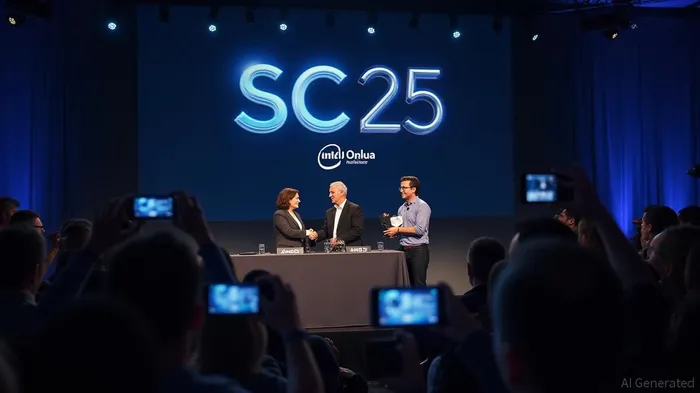
AMD announces a big deal with OpenAI, Intel unveils a new 2nm server CPU manufactured at Fab 52, and the SC25 conference is set to take place in St. Louis next month.
Advanced Micro Devices (AMD) has made a significant move in the AI chip market with its multi-year, multi-generation partnership with OpenAI. The deal, announced on October 6, 2025, involves OpenAI deploying 6 gigawatts (GW) of AMD Instinct GPUs for its next-generation AI infrastructure. Mizuho Securities has responded to this news by substantially increasing its price target for AMD to $275 from $205, reaffirming its "Outperform" rating, according to a Mizuho note.The partnership is more than just a supply contract. It represents a strategic commitment that will see OpenAI integrate 6 GW of AMD Instinct GPUs into its expansive AI infrastructure. The initial deployment, scheduled for the second half of 2026, will involve 1 GW of AMD Instinct MI450 GPUs and associated rack-scale systems. This deal also includes an innovative equity arrangement where OpenAI is granted a performance-based warrant for up to 160 million shares of AMD common stock, exercisable at a nominal price. The vesting of these shares is tied to operational and financial milestones, aligning the long-term interests of both companies.
The market's reaction to this deal has been overwhelmingly positive. Following the announcement, AMD stock surged by 24% on October 7, 2025, and subsequently rose over 2% to $219.57 on October 13, contributing to a remarkable year-to-date gain of nearly 84% for AMD's stock. Mizuho's increased price target reflects the market's confidence in AMD's long-term AI strategy and its competitive prowess in the high-stakes AI accelerator market.
This partnership is set to reshape the competitive dynamics within the AI chip market. AMD's multi-gigawatt commitment from OpenAI provides substantial validation for its Instinct GPU roadmap and its open-source ROCm software stack. This deal not only guarantees substantial, long-term revenue streams but also elevates AMD's credibility as a viable alternative to the incumbent leader in AI accelerators, Nvidia (NASDAQ: NVDA).
Nvidia, which has long held a near-monopoly on data center GPU shipments, faces its most significant competitive challenge yet. OpenAI's decision to partner with AMD, and to gain deep access to its open-source ROCm stack, reflects a strategic imperative to reduce vendor lock-in and foster a more competitive hardware environment. This move could inspire other major AI players to explore alternative hardware solutions, fostering a healthier, more competitive ecosystem.
Intel (NASDAQ: INTC), another perennial competitor in the semiconductor space, has also been impacted by this deal. Intel's AI chip strategy, including its Gaudi accelerators, will need to accelerate innovation to compete effectively. In response, Intel has reportedly deepened its ties with Nvidia, announcing a strategic collaboration in September to develop AI infrastructure and personal computing products. This alliance aims to leverage Nvidia's AI software expertise and Intel's hardware footprint, suggesting a defensive yet strategic maneuver to retain and recapture market share in the rapidly evolving AI landscape.
The AMD-OpenAI partnership also has broader implications for the semiconductor supply chain. Suppliers of High Bandwidth Memory (HBM) and advanced chip packaging technologies, such as Samsung (KRX: 005930), are poised to benefit from the increased demand for advanced components. Furthermore, the partnership highlights a growing trend towards custom silicon, with OpenAI collaborating with Broadcom (NASDAQ: AVGO) on its own custom chips. This indicates that specialized or cost-effective solutions from smaller AI chip companies could also find new opportunities.
Cloud providers, including Microsoft (NASDAQ: MSFT) and Oracle (NYSE: ORCL), are also strategically impacted. The AMD-OpenAI deal encourages these providers to diversify their AI hardware offerings beyond Nvidia, providing more choices to their customers and reducing their own dependency on a single GPU vendor. The massive 6-gigawatt deployment commitment also implies multi-billion dollar investments in data center infrastructure, benefiting companies involved in construction, power, and cooling solutions.
Ultimately, the AMD-OpenAI partnership signals a significant shift in the AI chip market. It underscores the accelerating pace of innovation and strategic recalibration within the broader artificial intelligence and semiconductor industries. This event encapsulates several overarching trends that are defining the current technological era, including the insatiable demand for AI compute power, the shift towards diversification in the AI supply chain, and the growing importance of software-hardware co-design and open-source platforms.
Stay ahead of the market.
Get curated U.S. market news, insights and key dates delivered to your inbox.


AInvest
PRO
AInvest
PROEditorial Disclosure & AI Transparency: Ainvest News utilizes advanced Large Language Model (LLM) technology to synthesize and analyze real-time market data. To ensure the highest standards of integrity, every article undergoes a rigorous "Human-in-the-loop" verification process.
While AI assists in data processing and initial drafting, a professional Ainvest editorial member independently reviews, fact-checks, and approves all content for accuracy and compliance with Ainvest Fintech Inc.’s editorial standards. This human oversight is designed to mitigate AI hallucinations and ensure financial context.
Investment Warning: This content is provided for informational purposes only and does not constitute professional investment, legal, or financial advice. Markets involve inherent risks. Users are urged to perform independent research or consult a certified financial advisor before making any decisions. Ainvest Fintech Inc. disclaims all liability for actions taken based on this information. Found an error?Report an Issue


ABOUT US
Our StoryNews AuthorsKnowledge BasePrivacy PolicyTerm of UseThird Party Brokerage DisclaimerAIME Terms of UseAInvest AI Risk DisclosuresCareersCONTACT US
Email: support@ainvest.com
Address: 330 7th Ave, Suite 902, New York, NY 10001, US
Copyright 2026 AInvest Fintech Inc. All rights reserved.


Comments
No comments yet